Category: Behavior Analytics

  • 7 Top Customer Insight Software of 2025

    7 Top Customer Insight Software of 2025

    Customer insights tools give businesses an almost effortless way to analyze customer interactions, gauge satisfaction, and derive actionable insights from all that data.

    However, there’s no one tool to accomplish everything that you need to do to optimize the customer journey. 

    So, we’ve compiled the best customer insight software to deliver what customers expect from your brand.

    What Are Customer Insight Tools?

    Customer insight tools are essential software for businesses looking to understand their customers better.

    These tools collect data from various sources, such as surveys, social media, and website interactions, and analyze it to provide clear insights into customer behaviors, preferences, and needs. 

    Simply put, this information helps businesses improve their products and services so that they meet the expectations and demands of their customers effectively.

    Types of Customer Insights Tools

    “Customer insights software” isn’t just one tool; it’s more of an umbrella term for tools designed to collect customer data with the goal of improving the overall customer experience.

    These tools come in various forms with each designed to capture different types of data and provide unique insights. Here’s a breakdown of the primary types you might consider for your business:

    Analytics Tools

    Analytics tools are your go-to for keeping an eye on everything that happens on your website or app. They track where your traffic is coming from, how users are interacting with your content, and where you might be losing their interest.

    This in-depth insight helps you optimize your site to keep users engaged longer and convert more visits into actions.

    Survey Tools

    Want to know what your customers think? Survey tools let you ask them directly.

    Set up a survey to gather feedback on everything from product satisfaction to service experiences. It’s a straightforward way to tap into your customers’ thoughts and use those consumer insights to make smarter business moves.

    Feedback Management Tools

    You can keep all your customer feedback in one place with feedback management tools. Whether it’s praise, complaints, or just casual comments, these tools help you track and analyze what your customers are saying across emails, social media, and support tickets.

    These tools can guide your next big decision and help you focus on what truly matters to your customers.

    Predictive Analytics Tools

    As the name suggests, predictive analytics tools take your existing data and turn it into future predictions. They help you foresee customer behaviors and identify trends so you can adjust your strategies in advance.

    Whether it’s ramping up for a big sale or tweaking your product lineup, these tools keep you one step ahead.

    Customer Segmentation Tools

    Split your audience into more manageable groups based on their preferences, behaviors, or demographics using customer segmentation tools. 

    This allows you to craft marketing messages that resonate more personally with each segment, which helps improve the effectiveness of your campaigns and improve customer engagement.

    Social Media Monitoring Tools

    What are people saying about your brand online? Social media monitoring tools help you track all the mentions and discussions related to your brand across the social web.

    Needless to say, such feedback is invaluable for responding quickly to customer concerns and for harnessing positive sentiment to amplify your brand’s presence.

    What to Look For in a Customer Insights Platform

    When choosing a customer insights platform, you’ll want to make sure it has all the right features to meet your needs. Here’s a quick checklist to guide you:

    User-friendly Interface

    Let’s keep it simple! The platform should be straightforward and easy to use without the need for a tech wizard. It’s all about making life easier for everyone on your team, so everyone can jump in and get the job done without a hitch.

    Comprehensive Data Integration

    Make sure everything connects smoothly. A great platform plays nice with your existing tools, like CRM and marketing systems, knitting all your data together into one cohesive view. This makes it a breeze to pull insights and keep everything streamlined.

    Real-time Data Processing

    Stay on the pulse with real-time analytics. This feature is a game-changer, allowing you to react instantly to customer behaviors and market shifts. It’s like having a superpower to see and respond to changes as they happen!

    Customizable Reports

    Flexibility is key! Your platform should let you tweak and tailor reports to zoom in on the info you really care about. This way, you can cut through the clutter and focus on the insights that drive decisions.

    Security Features

    Rock-solid security is a must. You’re handling sensitive info, so make sure your platform has tough security measures in place to protect your data from prying eyes and keep everything locked down tight.

    Cost-Effectiveness

    Value for money matters. Balance the bells and whistles with what you actually need to pay for. The right platform offers a sweet spot of great features at a price that makes sense for your budget.

    The Best Customer Insights Platforms of 2024

    Now that we’ve gone over the benefits of using software to gain customer insights to guide your business strategies, what are the best options? We’ve compiled the best customer insights platforms of 2024, each excelling in a specific area:

    1. FullSession: Best for Overall Analytics
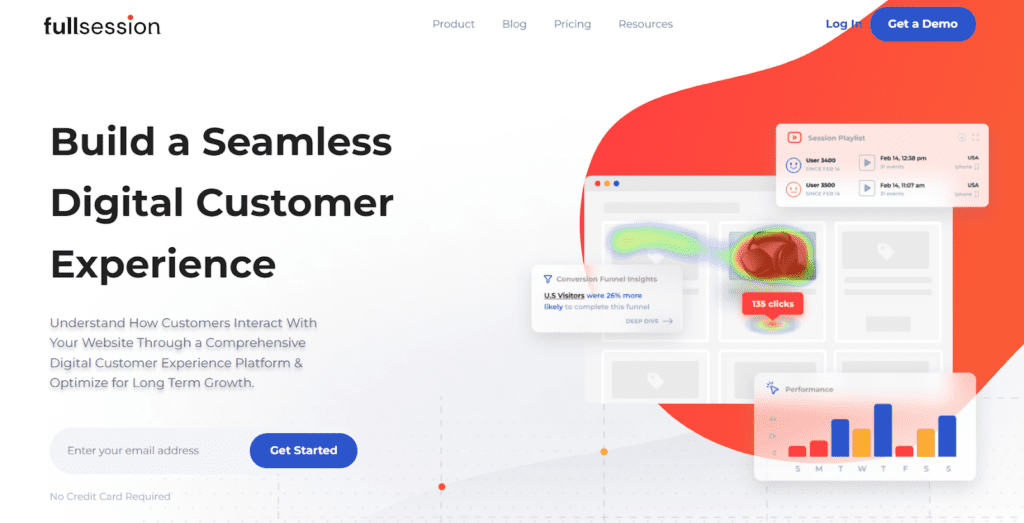
    FullSession stands out as a top-tier analytics platform, equipped with a suite of tools designed to delve deep into user behavior on websites. This platform captures an impressive array of user data, from the subtleties of mouse movements and scrolling patterns to clicks and form entries.

    Such detailed and valuable customer insights let you decode how visitors navigate their site, pinpoint areas that might be causing users trouble, and refine the user experience to upgrade both engagement and conversion rates effectively. And that’s just the tip of the iceberg.

    Key Features:

    • Real-time user activity tracking: This feature is key for quickly tuning into how users react to changes in real-time, which allows for swift tweaks based on immediate feedback.
    • Heatmaps: Get a colorful snapshot of where users are clicking, moving, and scrolling. Heatmaps illuminate the hotspots and cold zones, which can guide you to optimize your site layout for better user engagement.
    • Session replay: Play back user sessions to see exactly how visitors navigate your site. This is crucial for spotting usability issues and understanding the paths users take, as it provides insights that go beyond basic analytics.
    • Form analytics: Dive into how users interact with forms on your website. Discover where they start, where they hesitate, and what makes them give up. Then, use these insights to simplify form design and placement, which can help maximize your completion rates.
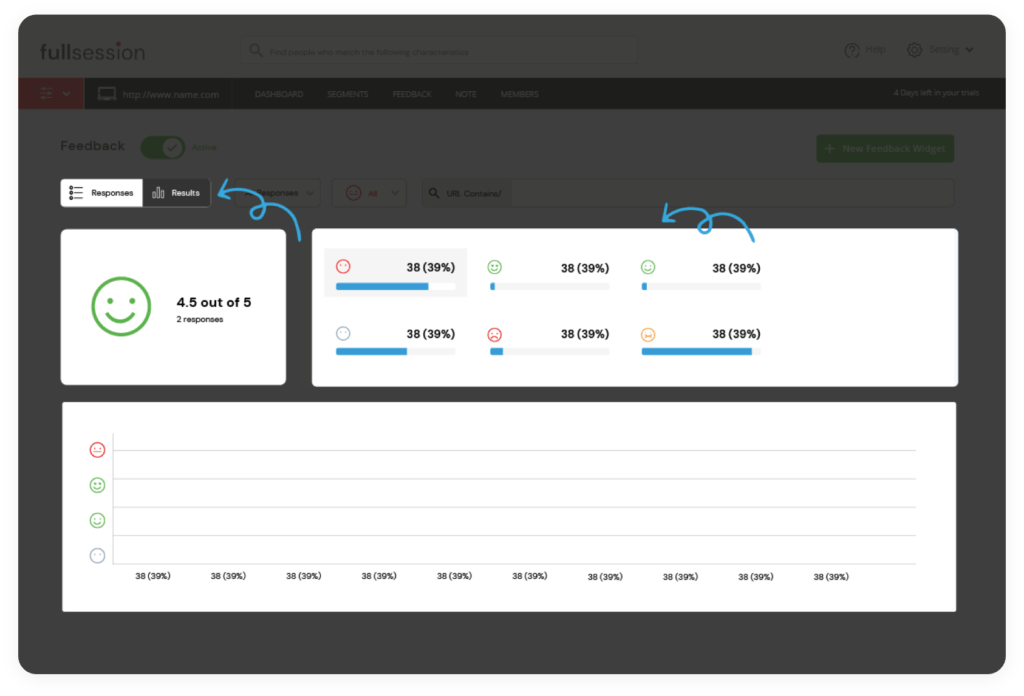
    • Surveys: Integrate customer feedback surveys directly into your website or app–no coding required. Use FullSession’s popular NPS template or create something entirely your own. 
    • Customizable dashboards: FullSession’s dashboards can be customized to focus on the metrics that matter most to you. Whether you’re tracking overall traffic, conversion funnels, or engagement levels, you can tailor your dashboard to keep these metrics front and center.

    2. SurveyMonkey: Best for Surveys

    SurveyMonkey is perfect for nailing down exactly what your customers or team members think. It’s super easy to use and packs a punch with its ability to handle everything from quick polls to in-depth market research.

    Whether you’re a small business or a big company, SurveyMonkey lets you modify every question to get the exact insights you need.

    Key features:

    • Customizable templates: Pick from loads of ready-to-go templates that you can customize to make your own.
    • Advanced analytics: Get the lowdown on your survey results with tools that help you spot trends and understand the big picture.
    • Multi-channel distribution: Send your surveys out into the world via email, web, social media platforms, or mobile to catch your audience wherever they hang out.
    • Real-time results: Watch the responses roll in as they happen, so you can quickly make sense of what your audience is telling you.

    Limitations:

    • Basic tier limitations: The free version has its limits, like only a few questions and responses allowed per survey.
    • Feature-rich complexity: The plethora of options is great, but it might take a minute to get the hang of everything if you’re new to this or if you’re running a small team without extra hands on deck.

    3. Google Analytics: Best Free Customer Analytics Tool

    Not ready to invest in a paid customer insights strategy yet? Google Analytics is the undisputed champ when it comes to free analytics tools, a platform that lets you zoom in on every aspect of your website’s traffic and user behavior.

    Regardless of the size of your site or audience, Google Analytics helps you understand where your visitors are coming from, what they’re doing on your site, and how you can improve their experience to increase engagement and conversions.

    Key Features:

    • Traffic analysis: Track where your visitors are coming from, whether it’s search engines, social media, or direct visits.
    • Behavioral insights: See what pages your users visit, how long they stay, and what actions they take while they’re browsing.
    • Conversion tracking: Set up goals to monitor how well your site fulfills your target interactions, like signing up for a newsletter or making a purchase.
    • Audience demographics: Get a breakdown of your audience’s age, gender, interests, and more to tailor your content and marketing strategies.

    Limitations:

    • Complexity for beginners: While it’s incredibly powerful, the sheer amount of data available can be overwhelming for newcomers.
    • Dependence on proper setup: To get the most out of Google Analytics, it needs to be set up correctly, which can require a bit of technical know-how or external help.
    • Privacy concerns: With increasing scrutiny over data privacy, some users might be cautious about the extent of data tracking involved.

    4. Userpilot: Best for Customer Behavior Analytics

    Userpilot takes the guesswork out of understanding user behavior by offering crystal-clear insights into every click and interaction within your product.

    Ideal for SaaS companies and any digital business aiming to boost product engagement, Userpilot acts like your own in-product tour guide, which reveals not just what users do, but sheds light on why they do it.

    Key Features:

    • Behavioral triggers: Spot specific actions your users take and use this intel to make their experience smoother and more engaging.
    • In-app guidance: Roll out handy walkthroughs, tooltips, and pop-ups that help users get the most out of your product without scratching their heads.
    • Segmentation capabilities: Group users based on their actions and preferences, and tailor the app’s experience to meet their specific needs.
    • A/B testing: Put different features or user paths to the test to find out what clicks best with your audience and fine-tune your interface based on real data.

    Limitations:

    • Learning curve: Getting a handle on all the bells and whistles can take a bit, so be prepared to climb a bit of a learning curve.
    • Integration requirements: To truly benefit from Userpilot, it needs to mesh seamlessly with your product, which might need some technical tweaking.
    • Pricing: While it offers a lot of bang for your buck, keep an eye on costs as they can accumulate, particularly for startups or smaller companies on a tight budget.

    5. Typeform: Best for Engaging Customer Feedback Tools

    Typeform turns the chore of filling out forms into a delightful experience. It’s designed to engage users with its sleek, conversational interface that feels more like a chat than a traditional survey.

    This platform is a favorite among businesses that prioritize user experience and seek to capture deeper, more meaningful insights from their audience.

    Key Features:

    • Conversational UI: Typeform’s user interface is clean and engaging, making it feel like you’re having a conversation rather than filling out a form.
    • Highly customizable: Adjust every aspect of your forms, from the layout and design to the types of questions and how they’re presented.
    • Logic jumps: Create dynamic forms that adapt based on how users answer previous questions to keep the customer experience relevant and simple.
    • Integration capabilities: Easily integrates with other tools such as Google Sheets, Mailchimp, and Slack to automate workflows and streamline data collection.

    Limitations:

    • Pricing can be steep: While Typeform offers a free version, the more powerful features are locked behind higher-priced tiers, which might be a stretch for smaller budgets.
    • Limited to forms and surveys: Primarily focused on forms and surveys, it may not be enough for more complex data collection needs or analytical tasks.
    • Dependent on Internet connectivity: Being a web-based platform, its performance is heavily reliant on Internet speed, which can affect the user experience in areas with poor connectivity.

    6. Exploding Topics: Best for Predictive Analytics

    Exploding Topics can help you stay ahead of the curve by identifying trends before they hit mainstream awareness. This consumer insights software scours the internet to detect emerging topics and technologies, which gives businesses a critical head start on adapting to new market shifts.

    It’s especially valuable for marketers, product developers, and strategists who aim to keep their offerings fresh and aligned with the next big thing.

    Key Features:

    • Trend detection: Exploding Topics uses advanced algorithms to analyze data from across the web, identifying up-and-coming trends in real-time.
    • Insight reports: Receive detailed reports on new trends, complete with growth metrics and predictive insights to help you understand their potential impact.
    • Custom alerts: Set up alerts to be notified when new trends start gaining traction, ensuring you never miss an opportunity to innovate or adapt.
    • Wide coverage: Tracks a broad spectrum of industries and topics, offering valuable insights regardless of your market niche.

    Limitations:

    • Overwhelming data: The volume of data and trends can be overwhelming, making it challenging to distinguish between fleeting fads and genuinely impactful trends.
    • Requires strategic interpretation: While it identifies trends, the real challenge is interpreting these insights strategically to benefit your business.
    • Subscription cost: Access to the most robust features and in-depth trend information comes at a premium, which may be cost-prohibitive for smaller businesses or individual entrepreneurs.

    7. Mixpanel: Best for Real-Time Analytics

    Real-time analytics let you track and understand user actions instantly, and Mixpanel excels at this. 

    This tool is a game-changer for businesses that need to keep their finger on the pulse of user activity, perfect for optimizing marketing tactics on the go, refining app features in a snap, or elevating the customer experience at lightning speed.

    Key features:

    • Event tracking: Dive deep into the details with Mixpanel’s ability to monitor specific actions your users take, from a simple scroll to a complete purchase.
    • Real-time data updates: Watch your data refresh moment by moment. This up-to-the-minute insight lets you adapt quickly to what your users want and need.
    • User journey analysis: Map out the routes your users travel on your site or app so you can pinpoint what draws them in and what might be turning them away.
    • Advanced segmentation: Break down your data by age, gender, activity—you name it. This lets you tailor your strategies to hit the right notes with various user groups.

    Limitations:

    • Learning curve: There’s a bit to learn before you can fully harness the power of Mixpanel. New users might find the array of options and depth of data a bit overwhelming at first.
    • Integration complexity: To get the most from Mixpanel, it needs to mesh well with your other systems. This can sometimes require some tech gymnastics.
    • Pricing model: Mixpanel’s pricing can climb as your data needs grow, so keep an eye on your usage to manage costs effectively.

    Get a Deeper Understanding of What Your Customers Think

    The first step to perfecting the customer journey is finding out what your target audience thinks about it now. And to do that, you need the right customer insights platform that will let you dissect every interaction that contributes to the overall experience.

    With FullSession, you gain access to tools that will help you gather customer insights without much effort:

    • Session recordings and replay: Catch live footage of how visitors explore your website. Use the replay option to review user sessions anytime to get a clear view of customer experiences and areas that might need a fix or two.
    • Interactive heatmaps: Dive into FullSession’s heatmaps for a colorful display of where users click, scroll, and pause. It’s an easy way to see what grabs attention and what gets ignored, helping you make smarter design choices.
    • Market segmentation: Slice and dice your audience with FullSession’s robust segmentation tools. See how different customer groups interact with your content to uncover tailored insights that can drive your strategy forward.
    • Customer feedback integration: Collect customer feedback from users right on your site. FullSession’s customer feedback forms let you hear straight from the horse’s mouth whether you’re nailing customer satisfaction or if there’s room for improvement.

    FullSession Pricing Plans
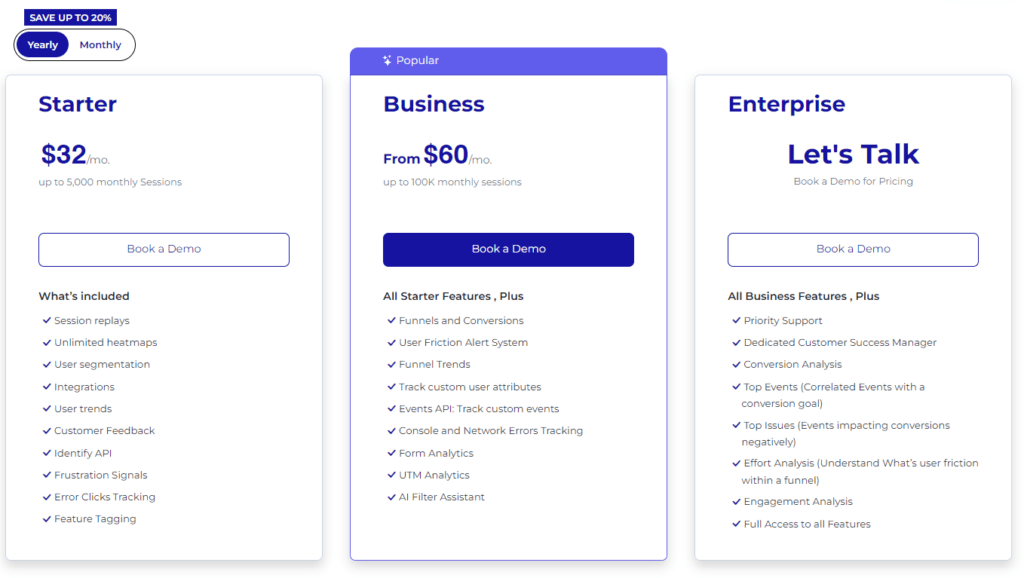
    Fullsession Pricing

    The FullSession platform offers a 14-day free trial. It provides two paid plans—Basic and Business. Here are more details on each plan.

    Here are more details on each plan.

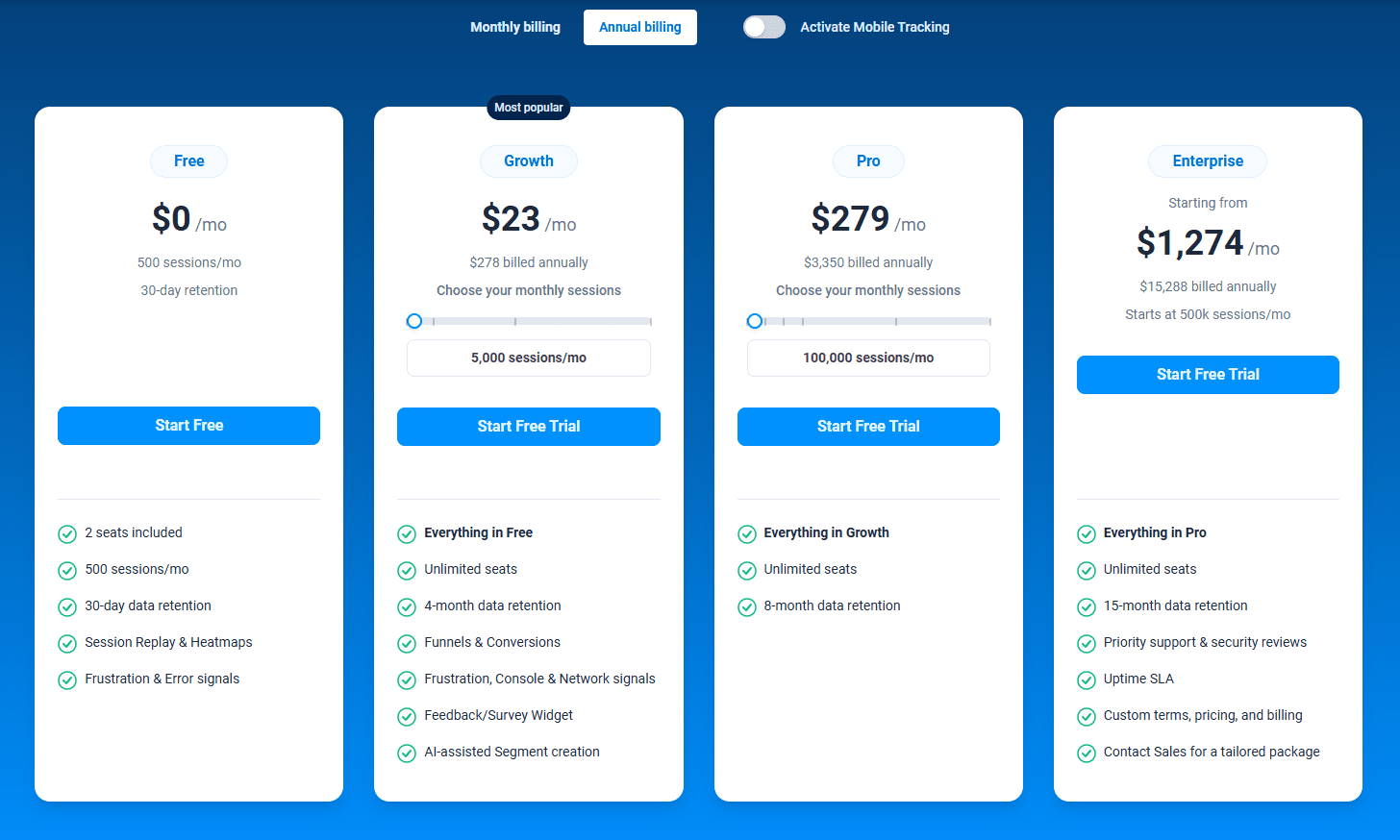
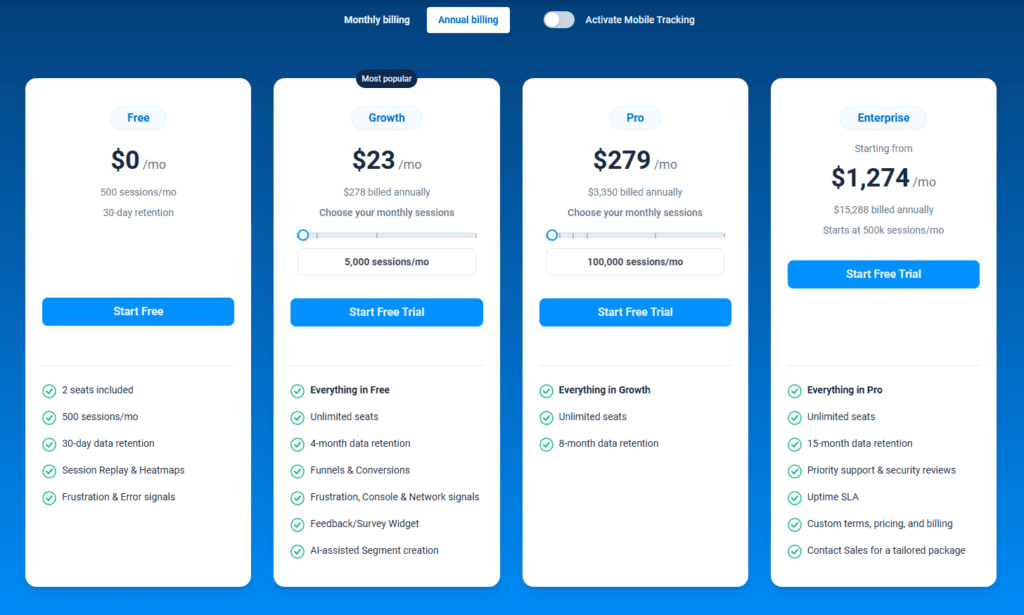
    • The Free plan is available at $0/month and lets you track up to 500 sessions per month with 30 days of data retention, making it ideal for testing core features like session replay, heatmaps, and frustration signals.
    • The Growth Plan starts from $23/month (billed annually, $276/year) for 5,000 sessions/month – with flexible tiers up to 50,000 sessions/month. Includes 4 months of data retention plus advanced features like funnels & conversion analysis, feedback widgets, and AI-assisted segment creation.
    • The Pro Plan starts from $279/month (billed annually, $3,350/year) for 100,000 sessions/month – with flexible tiers up to 750,000 sessions/month. It includes everything in the Growth plan, plus unlimited seats and 8-month data retention for larger teams that need deeper historical insights.
    • The Enterprise plan starts from $1,274/month when billed annually ($15,288/year) and is designed for large-scale needs with 500,000+ sessions per month, 15 months of data retention, priority support, uptime SLA, security reviews, and fully customized pricing and terms.

    Book a demo today.

    Install Your Customer Insight Tools Right Now

    It takes less than 5 minutes to set up your customer insight tools, withFullSession, and it’s completely free!

    FAQs About Customer Insight Platforms

    Why should my business use customer insight software?

    Dive into the minds of your customers with customer insight software! It’s not just about collecting data; it’s about transforming that data into actionable insights that can skyrocket your product development and marketing strategies.

    Can small businesses really benefit from these tools, or are they just for big players?

    Absolutely, small businesses can reap huge benefits! These tools scale to meet your needs, whether you’re just starting out or expanding rapidly, helping you understand and cater to your customers more effectively.

    Are these tools complicated to use?

    Fear not! Many customer insight platforms prioritize user-friendliness. They come with straightforward dashboards and support to guide you every step of the way, making it easy for anyone to get the hang of it.

    How do I choose the right customer insight tool for my business?

    Think about what’s most important for your specific needs. Do you want detailed behavioral analytics, or are simple surveys enough? Also, consider the tool’s integration capabilities with your current systems to ensure a smooth workflow.


  • The Power of Real-Time Customer Analytics

    The Power of Real-Time Customer Analytics

    Customer behavior moves too fast for traditional analytics to be effective. These days, you need to analyze touchpoints in real-time to provide a satisfying experience across the board.

    While historical data can still be a huge help, real-time analytics help you analyze in the moment instead of waiting for changes that can hinder business success.

    Below is what you need to know about real-time customer analytics, how it works, the benefits it provides, and how you can use it for your operations.

    What is Real-Time Customer Analytics?

    Real-time customer analytics is the practice of collecting, processing, and analyzing customer data as it happens. Unlike traditional analytics, which may take hours, days, or even weeks to produce insights, real-time analytics gives you immediate feedback on customer behavior and interactions.

    With real-time customer analytics, you can see everything from which products they’re checking out to how they’re navigating through your site. With this live data, you can better understand your customers better so you can make immediate decisions that improve their experience and maximize your sales.

    Types of Real-Time Analytics Capabilities

    Real-time customer analytics can take many forms, each offering valuable insights to help you connect with your customers. There are six main types:

    1. Segmentation Analytics

    This type divides your customers into groups based on behaviors and characteristics, like age, location, or buying habits. When you understand these segments, you can tailor your marketing and product recommendations to meet their specific needs.

    2. Customer Acquisition Analytics

    Customer acquisition analytics focuses on how new customers find and interact with your business. It tracks where your traffic comes from, which marketing channels work best, and what actions lead to conversions.

    3. Customer Engagement Analytics

    This sub-type looks at how customers interact with your business over time. It tracks metrics like page views, time spent on site, and interactions.

    If you see a particular page getting a lot of attention, you can improve it or apply similar strategies elsewhere to keep customers hooked.

    4. Customer Satisfaction Analytics

    Customer satisfaction analytics measure how happy your customers are with their experience through surveys, reviews, or direct feedback. Real-time data lets you address issues immediately and turn potential negatives into positives. If a customer isn’t satisfied, you can step in and fix it right away.

    5. Customer Churn Analytics

    This type of customer analytics helps you understand why customers might leave. It tracks behaviors that signal a customer is about to quit. With real-time insights, you can act fast to retain them, like offering a special deal to keep them around.

    6. Customer Lifetime Value Analytics

    Finally, we have customer lifetime value analytics, which estimates the total value a customer brings over their entire relationship with you.

    By analyzing purchase history and behavior in real-time, you can identify high-value customers and focus on keeping them happy with exclusive deals and personalized support.

    co-workers doing high five in an office

    Different Ways to Use Real-Time Data

    Businesses can use real-time customer insights to optimize customer interactions throughout the whole journey. Here are some practical ways to use real-time data:

    Customer Service Interactions

    When you can monitor user behavior as it happens or immediately after touchpoints, you can identify and address issues before they become problems.

    For example, if a user is repeatedly clicking on a button without success, you can step in shortly after with a chat or a helpful pop-up to turn a potential frustration into a positive experience.

    Real-time data also allows your support agents to see what the customer is doing, which helps them provide personalized and efficient support. Instead of asking the customer to explain their problem from scratch, the agent can jump right into a solution.

    After resolving an issue, you can gather immediate feedback through quick surveys or ratings to help you gauge customer satisfaction and improve your support process.

    Product Recommendations

    Real-time data lets you offer personalized product suggestions on the spot. If a customer is browsing laptops, you can recommend accessories like cases or external hard drives right then and there.

    Aside from improving their customer experience, it also increases your chances of making a sale.

    Website Optimization

    Rapid analytics is an advantage for website optimization because it gives you a clear picture of how visitors interact with your site. You can see where they’re spending most of their time, which pages they love, and where they’re dropping off, so you know exactly how to improve the customer journey.

    If you notice a particular page is causing visitors to leave, you can jump in and adjust the content or layout to make it more engaging and user-friendly. Maybe the page is too cluttered, the info isn’t clear, or the call-to-action needs to be more catchy.

    Real-time data also makes it easy to test different versions of a page. You can try A/B testing to see which layout, wording, or images work best. This way, you’re not guessing; you’re making smart decisions based on actual data.

    Plus, real-time analytics can catch technical issues that might be annoying your users. If a page is loading slowly or a form isn’t working, you can spot these problems quickly and fix them before they drive users away.

    Customer Behavior Insights

    Aside from optimizing your website, analytics capabilities embedded into your page can also help you understand customer preferences and how they navigate your site. For example, if people are spending time on product pages but not buying, those pages might need better descriptions or images.

    These insights also help you personalize the user experience. If someone frequently visits a specific category, you can tailor recommendations and offers to their interests, making them more likely to buy. Real-time data also allows you to spot popular and underperforming pages, so you can create more content that resonates with your audience.

    woman using a laptop and smiling

    Marketing Campaign Adjustments

    Real-time analytics lets you tweak your marketing campaigns as they unfold so you don’t waste precious time running something that isn’t working. If an email campaign isn’t getting enough clicks, you can instantly change the subject line or call to action to improve engagement. This way, you’re not stuck waiting for post-campaign reports to make adjustments—you can optimize on the go.

    This flexibility extends to all types of marketing efforts, from social media ads to content marketing. If a social media ad isn’t performing well, adjust the ad copy, images, or targeting. If a blog post isn’t drawing traffic, update the headline or visuals, or promote it through different channels.

    Real-time data also helps you pinpoint the best times to reach your audience and tailor your messages for different segments, which helps make sure your marketing is always effective and efficient.

    Inventory Management

    For e-commerce businesses, real-time data helps you manage your inventory more efficiently. If a product is flying off the shelves, you can adjust your stock levels immediately to meet customer demand and avoid running out or overstocking. No more guesswork or tedious estimations.

    Event Tracking

    Analytics systems can help you monitor events like sales, product launches, or promotions so you get instant insights into how your audience is reacting.

    For example, during a sale, you can see which products are selling fast and which ones aren’t. If an item is lagging, you can offer a bigger discount or feature it more prominently. Conversely, if something’s selling out quickly, you can manage inventory and even employ cross-selling strategies.

    For product launches, real-time data helps you gauge reception immediately. Track page visits, time spent on product pages, and conversion rates to see if adjustments are needed. 

    Maybe visitors need more info or better images to make a purchase. Promotions also benefit as you can monitor which channels—email, social media, ads—drive the most traffic and sales.

    Dynamic Pricing

    Dynamic pricing can give you a competitive advantage, but it won’t make much sense if you use historical data, which may be outdated.

    With real-time customer data, however, you can adjust your prices based on current market conditions, demand, and what your competitors are up to. Imagine you spot a surge in demand for one of your products. You can instantly bump up the price to maximize your profit while the demand is high.

    On the flip side, if a product is gathering dust on the shelves, you can quickly drop the price to stimulate sales and move that inventory.

    Dynamic pricing also lets you stay one step ahead of your competitors. If they slash their prices, you can respond immediately to match or even undercut them, which makes sure you remain the go-to choice for customers.

    Why Do You Need to Analyze Customer Data in Real-Time?

    Now that we’ve gone over some of the uses of real-time data, it’s easy to see how it can improve customer satisfaction and your overall business profitability. But what other benefits of real-time customer data do you need to consider?

    people looking at sticky notes in an office

    Better Customer Satisfaction and Loyalty

    Customer satisfaction is perhaps the most important driving force in sales, which is why real-time analytics is so important. For one, it allows you to understand and respond to customer needs immediately and ensures that they have the best experience with your brand.

    Additionally, real-time analytics enables you to personalize the customer journey. By understanding what each customer is looking for, you can offer tailored recommendations, timely assistance, or special offers that match their preferences and behaviors. 

    Hence, they feel valued and understood, which improves overall satisfaction and customer loyalty.

    Reduced Customer Churn

    As we’ve mentioned, real-time data gives you instant insights into how they’re behaving, so you can catch early signs that someone might be thinking about leaving.

    Reaching out to customers at the right time makes a big difference. If someone hasn’t used your service in a while, a quick reminder, a special offer, or helpful support can bring them back. 

    Responding quickly to negative feedback shows that you care about their experience and are working to make things better.

    Real-time data also helps you see patterns that work against customer retention. You can understand why people might be leaving and take steps to fix those issues, whether it’s improving your product, optimizing customer service, or tweaking your pricing.

    Faster Decision-Making

    Real-time insights can help you make data-driven decisions responding to changing market conditions or customer behavior. For example, if more customers browse a certain product category, you can anticipate higher demand and adjust your inventory.

    Plus, predictive analytics help fine-tune your marketing efforts. Knowing which products or services are gaining interest lets you focus your marketing campaigns more effectively. If you can predict future behavior based on data, you can prepare promotions in advance to capture that interest at its peak.

    In addition to all that, you’ll be able to reduce risk and make more sensible business decisions. Trying new strategies or introducing offerings will be less risky because immediate quantitative data and qualitative insights will tell you if they are working.

    Lower Costs

    Hardware and software systems for real-time analytics can be expensive upfront, but the data-driven decision-making they provide pays off in the long run. More specifically, you can quickly identify inefficiencies and areas where resources are being wasted.

    Analytics can help you save money in various aspects of your operations, including customer service, sales, marketing, customer experience management, and more.

    How Can FullSession Help With Real-Time Analytics?

    FullSession is your go-to tool for mastering real-time customer analytics without the massive learning curve. It has every tool you need to make quick, informed decisions that improve customer satisfaction and drive business growth, including:

    • Detailed session replays: See exactly how customers navigate your site, spot issues, and find opportunities for improvement.
    • Heatmaps: Visualize where users click, scroll, and spend the most time to optimize your site layout for better engagement.
    • Customer feedback tools: Measure customer sentiment and find out what you can improve based on what they need, want, and expect from your brand.
    • Custom reports: Create reports tailored to your needs, giving you the most relevant insights for your business.

    FullSession Pricing Plans

    FullSession Pricing

    The FullSession platform offers a 14-day free trial. It provides two paid plans—Basic and Business. Here are more details on each plan.

    Here are more details on each plan.

    • The Starter plan costs $39/month or $32/year and allows you to monitor up to 5,000 monthly sessions with up to 6 months of data storage.
    • The Business plan costs $75/month or $60/year and helps you to track and analyze up to 100,000 monthly sessions with up to 12 months of data storage.
    • The Enterprise plan has custom pricing and offers customizable sessions plus full access to all features.

    Book a demo today.

    Install Your First Website Feedback Form Right Now

    It takes less than 5 minutes to set up your first website or app feedback form withFullSession, and it’s completely free!

    FAQs About Real-Time Customer Analytics

    What types of businesses can benefit from analyzing customer data in real-time?

    Almost any business with an online presence can benefit from real-time customer analytics. This includes e-commerce stores, service-based websites, and even blogs looking to improve user engagement.

    Is real-time data analysis difficult to implement?

    It can be straightforward with the right tools. Platforms like FullSession are designed to be user-friendly, offering easy setup and integration.

    How often should I check my real-time analytics?

    It depends on your business needs. For some, daily checks might be sufficient, while others may need to monitor data continuously, especially during peak times or major campaigns.

    Can real-time analytics replace traditional data analysis?

    No, it complements traditional data analysis. While real-time data helps with immediate decisions, traditional data analysis provides a long-term view and deeper insights.

  • 7 Best Customer Retention Software of 2025

    7 Best Customer Retention Software of 2025

    Behind every successful business is a loyal customer base that keeps coming back, leaves positive reviews, and recommends the brand to others.

    However, a satisfied customer doesn’t automatically become a loyal one.

    Are you seeing good customer satisfaction but not-so-good customer loyalty? If so, then you might need a customer retention strategy to keep those people coming back.

    In this guide, we’ll talk about the different types of customer retention platforms, the benefits of having an effective customer retention tool, and the best tools to choose from in 2024.

    What Is Customer Retention Software?

    Customer retention software includes a range of tools that help businesses keep their customers happy and loyal, which ultimately reduces the chances they’ll leave for a competitor.

    These tools are great for sales, marketing, and customer service teams because they help them connect with customers and build lasting relationships. With customer retention software, these teams can personalize the customer experience and create targeted strategies that keep customers coming back.

    What Are the Different Types of Customer Retention Tools?

    Keeping your customers happy and loyal takes more than just a great product—it requires the right tools to build and maintain strong relationships. Plus, you may need more than one tool to learn how you can keep your customers coming back.

    Here’s a look at the different types of customer retention tools and how they can help your business thrive:

    Customer Support Software

    Customer support software is your frontline defense in customer satisfaction. Tools like live chat, help desks, and ticketing systems make sure your customers get the help they need, exactly when they need it. 

    In an era when people expect quick responses, these tools are more of a must-have than a nice-to-have.

    Quick and efficient issue resolution turns potential frustrations into positive experiences, which helps keep customers coming back. 

    For example, imagine a customer struggling with a software feature just before a crucial deadline. They use live chat, connect with a support agent, and get immediate help. Their frustration turns to relief as the issue is resolved in a snap.

    Customer Feedback Tools

    Want to know what your customers really think? Customer feedback tools are your go-to for gathering insights straight from the source—and including the people that really matter, your existing and prospective customers.

    Whether it’s through surveys, reviews, or direct feedback channels, these tools help you understand what’s working and what’s not. Listening to your customers’ voices helps you make informed decisions and improve their overall experience.

    sad and happy icons

    Customer Relationship Management (CRM) Platform

    A CRM is another must-have tool for managing and nurturing customer relationships. CRMs centralize all customer information—contact details, purchase history, communication records, and preferences. 

    So you can easily access everything you need to understand your customers better and provide top-notch service.

    How does a CRM work, exactly? For one, CRM platforms allow you to segment customers based on their behavior and preferences, which lets you tailor your communication and marketing efforts. 

    Imagine being able to send personalized messages and offers that really resonate with your customers—this kind of targeted interaction is key to building strong, lasting relationships.

    When it comes to sales, a CRM platform can streamline your processes by automating tasks like follow-ups, reminders, and lead tracking. No more missed opportunities—your sales team can focus on what they do best: building relationships and closing deals.

    Plus, CRMs can also make life easier for your customer service team. When a customer reaches out for help, support agents can quickly pull up their entire history and customer data, which, in turn, helps them provide relevant and efficient assistance.

    Behavioral Analytics Tools

    Behavioral analytics tools help you understand how customers interact with your products or services. They can help you analyze user behavior—tracking navigation patterns, clicks, and time spent on pages, to gain valuable insights into customer preferences and pain points. 

    These insights are what you need to optimize the customer experience and drive customer engagement.

    For example, you can create highly personalized experiences with analytics. If a customer frequently browses a specific product category, you can send them targeted promotions or recommendations that match their interests. 

    This level of personalization makes customers feel understood and valued, which increases their loyalty and likelihood to return.

    These tools also play a huge role in product development and marketing. You can prioritize updates that will make the most impact by identifying which features are most popular and where users face challenges. 

    In marketing, understanding how customers respond to different messages and channels helps you fine-tune your strategies for better results. This means more effective campaigns and higher conversion rates.

    Customer Loyalty Tools

    Want to know the secret to turning first-time buyers into lifelong fans? Customer loyalty tools are the key.

    These innovative tools help you set up customer loyalty programs that make every customer interaction more rewarding. Picture a system where each purchase, social media shout-out, or referral earns customers points. 

    They can redeem these points for cool perks like discounts, freebies, or even exclusive offers, nudging them to keep choosing your brand.

    Tailoring experiences is where customer loyalty tools truly take effect. When you dive into purchasing history and customer preferences, you can craft offers that hit the mark. 

    Say a customer is a coffee enthusiast; sending them a discount for their next espresso could make their day and boost their loyalty. This personal touch makes customers feel special and deepens their connection with your brand at the same time.

    Additionally, customer loyalty tools often have features that improve the shopping experience. With mobile apps, customers can track their points, snag special deals, and get updates on exciting new offers right at their fingertips. 

    This seamless interaction keeps your brand at the forefront of their minds, which increases the chances they’ll buy from you again.

    Marketing Automation Tools

    Marketing automation tools revolve around making your life easier while keeping your customers engaged. Essentially, these tools take the heavy lifting out of your marketing campaigns by automating the repetitive tasks that can eat up your day.

    From sending out emails to managing social media posts and segmenting your customer list, these tools handle it all to help you focus on crafting more creative and impactful content.

    With marketing automation, you can set up campaigns that trigger based on specific customer actions or milestones. For instance, if someone subscribes to your newsletter, they can automatically receive a welcome email, and if they fill their cart but don’t check out, an email can nudge them to complete their purchase.

    These automations help make sure that you’re always communicating the right message at the right time, without having to manually monitor every interaction.

    However, these tools don’t just do the grunt work, but they also help you track the results so you can see what’s working and what isn’t. You can tweak your strategies based on real data and optimize your marketing efforts to better meet the needs of your audience. 

    This kind of targeted approach means more effective marketing, better customer engagement, and, ultimately, stronger sales.

    keyboard and notes

    Social Media Management Software

    Social media is an effective platform for customer retention, but let’s face it, it can be incredibly tedious.

    This is when you put social media management software in the mix, which can help you stay on top of your social media game without getting overwhelmed. It streamlines all your social media activities, from scheduling posts across different platforms to engaging with followers and analyzing performance metrics.

    Overall, this type of software sees to it that your social media presence is consistent, coordinated, and continually engaging for your audience. Visit SocialThink for getting information regarding your presence on Instagram and Facebook.

    One of the key benefits of using this software is the ability to schedule posts in advance. You can plan out your content calendar for weeks or even months so that your brand remains active and visible even when you’re busy with other customer retention efforts.

    Plus, social media management software provides tools for monitoring mentions, comments, and messages. This means you can quickly respond to your audience, manage any issues that arise, and maintain a positive brand image.

    Additionally, this software offers detailed analytics that helps you understand which types of content perform best, who your audience is, and the best times to post. 

    For example, if you notice that videos about behind-the-scenes processes get more engagement, you can adjust your strategy to include more of that content.

    Why Do You Need Customer Retention Software?

    Customer retention is an easy enough concept to understand. Basically, it revolves around doing everything you can to keep your customers happy and coming back. 

    However, achieving good customer retention is easier said than done, especially when you don’t have the right tools to work with.

    Before we talk about the best customer retention software tools, here are some of the most important reasons why you need them in the first place:

    Saves Money

    Let’s face it, retaining customers is way cheaper than finding new ones. Customer retention software helps you hang onto your current customers, which cuts down the hefty costs associated with chasing down new leads and splurging on marketing. This is also known as customer acquisition cost.

    Increases Customer Lifetime Value

    This type of software isn’t just about keeping customers; it’s about making them more valuable over time. Through targeted marketing, loyalty perks, and regular engagement, customers are encouraged to stick around and spend more. This means more sales without the extra acquisition costs!

    Gives You Better Customer Insights

    Understanding your customers is non-negotiable, and retention software gives you the insights you need.

    Customer retention management software tracks customer behavior and preferences, which helps you figure out what works and what doesn’t. This way, you can modify your offerings to better suit their tastes and keep them happy.

    Improves Your Customer Service

    The quality of your customer service can make or break a customer’s loyalty, especially after a purchase. No one wants to spend money at a business just to receive poor service afterward.

    Customer retention tools help you deliver the service your customers expect. Whether it’s responding quickly to issues, personalizing interactions, or just making customers feel valued, these tools make sure your customers have good reasons to stay loyal.

    Minimizes Customer Churn

    The primary goal of customer retention software is to create loyal customers. Naturally, the secondary goal is to avoid customer churn.

    Customer retention software has a big role in mitigating this issue by giving you a deep understanding of your customer’s needs and behaviors. With this software, you can proactively identify patterns or signals that a customer might be at risk of leaving.

    For instance, if a customer’s engagement levels drop or if they start bypassing your products for lower-tier options, the software can flag this change in behavior.

    Best Customer Retention Tools of 2024

    One of the best ways to improve customer retention is to invest in a toolkit that works for every channel you have, including your websites, social media platforms, mobile apps, etc. 

    But how do you go about finding the best tools?

    Here’s a roundup of the best customer retention tools for 2024, each offering unique features to help you maintain a happy customer base:

    1. FullSession

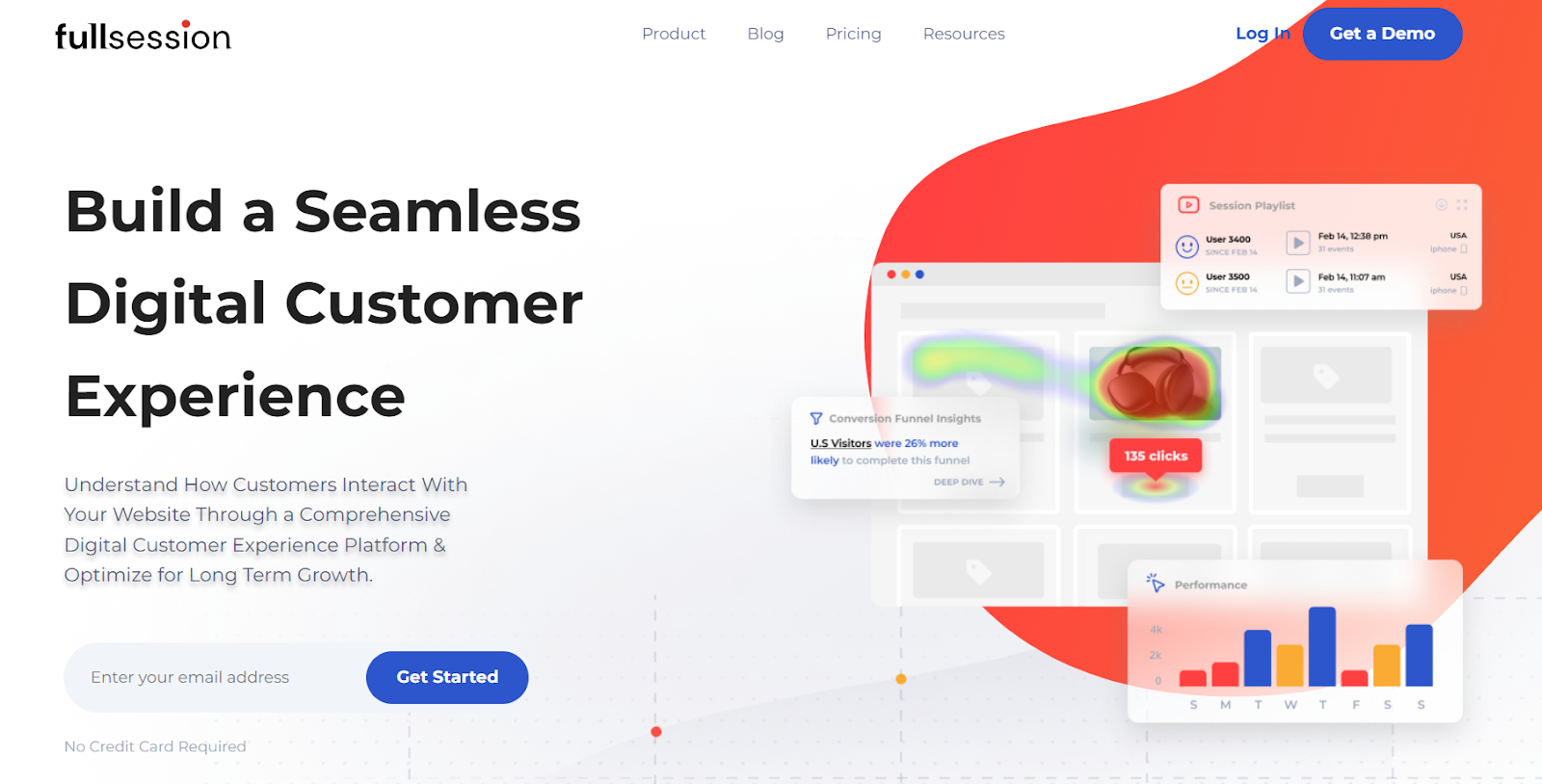
    Fullsession build a digital customer experience

    FullSession is a savvy tool for anyone looking to get a grip on how users interact with their website using good old data. 

    It’s perfect for spotting what’s working and what’s not by capturing and analyzing every move your users make, as well as customer retention metrics that the platform collects automatically.

    Whether you’re aiming to drop your bounce rates or increase those conversion rates, FullSession has the tools to make it happen.

    Key Features:

    • Session replays: Watch exactly what your users do on your site as if you’re looking over their shoulders.
    • Heatmaps: See hot spots on your pages where users click, scroll, and hover, helping you figure out what grabs their attention.
    • Event tracking: Keep tabs on specific actions users take that matter most for your site’s performance.
    • Feedback tools: Let your users tell you directly what they think with easy-to-use feedback options.

    Pros:

    • Gives you a full view of user interactions, so you can make smart modifications to your site.
    • Pinpoints problem areas to improve overall user experience.
    • Keeps you proactive about website updates instead of just reacting to dips in performance.
    • Helps you keep making your website better based on real user behaviors.
    • Boosts customer satisfaction by tackling their pain points head-on.

    Best for: Web analytics and user experience optimization.

    2. Freshworks

    Freshworks is your go-to if you want to keep your customer interactions slick and professional without getting bogged down by complexity.

    It’s a versatile tool that not only helps you manage relationships but also integrates your sales and marketing efforts into one smooth operation—perfect for businesses looking to keep everything customer-related in one neat package.

    Key Features:

    • CRM integration: Seamlessly connects with your sales, marketing, and customer support systems to keep all customer interactions in sync.
    • Automated workflows: Streamlines your processes by automating routine tasks, letting you focus on what really matters.
    • Multi-channel support: Manages communications across various platforms — from emails to social media, all from one place.
    • Advanced reporting: Delivers insightful reports and analytics that help you make informed decisions about your business strategies.
    • Smart ticketing system: Makes sure every customer issue is tracked and resolved without anything slipping through the cracks.

    Pros:

    • Centralizes customer data, which makes it easy to track and manage customer relationships.
    • Automates the boring stuff, so you can spend more time on high-impact work.
    • Integrates easily with other tools, which means less hassle in getting things to work together.
    • Provides deep insights into business operations, helping you fine-tune your approach for better results.
    • Increases customer satisfaction by ensuring swift and effective issue resolution.

    Cons:

    • Can be a bit of an overkill for very small businesses that don’t need all the bells and whistles.
    • Might take a little time to fully integrate and configure according to your specific business needs.
    • Depending on the add-ons and features, costs can add up, so keep an eye on your subscription choices.

    Best for: Streamlining customer interactions across sales, marketing, and support.

    3. Salesforce

    Salesforce is one of the best customer retention solutions when it comes to managing customer relationships. It comes with features that help businesses of all sizes keep a 360-degree view of their customers, from sales to service to marketing.

    If you’re aiming to truly understand and connect with your customers at every step of their journey, Salesforce is the tool for the job.

    Key Features:

    • Comprehensive CRM: Offers a complete view of each customer, integrating sales, marketing, and customer service insights.
    • Customizable dashboards: Allows you to tailor interfaces and reports to meet your specific business needs.
    • AI-powered insights: Uses artificial intelligence to provide predictive analytics so you can make smarter decisions.
    • Extensive app ecosystem: Connects with a multitude of third-party apps through its extensive AppExchange marketplace.
    • Automation capabilities: Streamlines processes with automation across marketing, sales, and service departments.

    Pros:

    • Delivers a detailed understanding of customer interactions across multiple channels.
    • Customizable to fit the unique processes and workflows of any business.
    • Rich in features that enhance decision-making and operational efficiency.
    • Supports extensive integrations, making it flexible in a variety of tech environments.
    • Promotes productivity with powerful automation tools that save time and reduce errors.

    Cons:

    • Can be quite complex and require a learning curve to fully leverage its capabilities.
    • High cost, especially when adding multiple modules or custom features.
    • Sometimes, it is overpowered for smaller businesses that don’t require deep CRM functionalities.

    Best for: Deep customer relationship management and analytics across all business sizes.

    4. Zendesk

    Zendesk is your go-to if you’re all about giving your customer support a major upgrade. Known for making support as smooth as butter, Zendesk has tools that simplify handling queries and resolving issues quickly.

    Key Features:

    • Omnichannel support: Keeps track of customer chats, emails, social media messages, and calls all in one spot.
    • Automated ticketing system: Automates the nitty-gritty of ticket management so nothing slips through the cracks.
    • Self-service options: Lets customers help themselves with easy-to-access knowledge bases and forums.

    Pros:

    • Centralizes all customer interactions.
    • Reduces workload on your support team with robust self-service options.
    • Keeps you in the know with detailed analytics to fine-tune your support strategies.
    • Offers lots of customization to fit your specific business needs.
    • Speeds up customer service with a top-notch automated ticketing system.

    Cons:

    • Costs can climb as you add more features or scale up your plan.
    • Might take a bit of effort to set up just right for your team’s needs.
    • Could be a tad overwhelming for smaller teams who don’t need all the bells and whistles.

    Best for: Improving your customer support operations

    5. Qualaroo

    Qualaroo is the tool for diving deep into what your customers think and feel about your services or products. It’s designed for those who want actionable insights without sifting through heaps of data.

    If you’re looking to understand the “why” behind customer decisions and improve user experience with real feedback, Qualaroo makes it straightforward and efficient.

    Key Features:

    • Targeted surveys: Sends outsmart, timely surveys to users based on their interaction with your site or app.
    • NPS (Net Promoter Score): Measures customer satisfaction and loyalty with the industry-standard NPS system.
    • Sentiment analysis: Uses AI to gauge the tone and mood behind customer feedback, giving you deeper insight.
    • Customizable questionnaires: This allows you to craft questions that fit the unique aspects of your business.

    Pros:

    • Gets you direct feedback from customers right where it counts
    • Easy to set up and use, letting you start collecting valuable insights in no time.
    • Sentiment analysis provides an extra layer of insight into how customers truly feel about your product or service.
    • Enhances your overall data strategy with powerful integrations.

    Cons:

    • The depth and complexity of data can be overwhelming if not managed properly.
    • Depending on your customization needs, it might require a bit of technical know-how to get everything set up.
    • Might not be the best fit for businesses looking for basic feedback tools without the advanced analysis features.

    Best for: Gaining deep insights into customer sentiment and improving user experience based on direct feedback.

    6. Userpilot

    Userpilot aims to optimize the user experience, particularly when it comes to onboarding and adopting new features. If you’re looking to guide your users through your product in a way that feels natural and helpful, Userpilot can help.

    It’s perfect for SaaS companies that want to reduce churn and increase feature adoption without overwhelming their users.

    Key Features:

    • Customizable onboarding flows: Create tailored onboarding experiences that guide users through your product’s key features at their own pace.
    • Feature adoption tracking: Monitors how users interact with new features to help you understand what’s hitting the mark and what’s missing.
    • In-app messaging: Send targeted messages and tooltips directly within your app to help users when and where they need it.
    • Behavioral triggers: Set up actions based on user behavior, ensuring that help and hints are offered exactly when users are most likely to need them.
    • Analytics dashboard: Provides insights into how effective your onboarding and feature adoption strategies are, allowing for continual improvement.

    Pros:

    • Tailors the user journey with personalized onboarding, making sure new users feel welcomed and well-guided.
    • Keeps users engaged with smart, contextual messaging that improves their experience without being intrusive.
    • Helps pinpoint where users struggle and what features they love, so you can constantly optimize your product.
    • Offers a detailed view of user engagement metrics, which is great for tweaking your strategies to perfection.

    Cons:

    • Can require a significant investment of time to set up the initial flows and messages to match your user’s journey.
    • There’s a learning curve to effectively use all the features and analytics it offers.
    • The cost might be a consideration for startups or smaller companies just scaling their user base.

    Best for: Improving user onboarding and adoption in software applications, especially for SaaS platforms.

    7. ActiveCampaign

    Last but not least, we have ActiveCampaign, an email marketing tool that automates the nitty-gritty while making sure every message hits just right. Perfect for businesses that want their marketing to be as smart as it is effective, ActiveCampaign can help nurture leads and up conversions with perfectly timed, spot-on emails.

    Key Features:

    • Email marketing automation: Sends out emails automatically but keeps them personal, based on what your customers like and do.
    • Advanced customer segmentation: Splits your contact list into precise groups based on their actions, so you can keep messages relevant and engaging.
    • Site Tracking: Links your email efforts to user activity on your website, tailoring messages to their interests.
    • Lead scoring: Figures out which leads are most likely to buy and helps you focus your energy there.

    Pros:

    • Saves heaps of time with automation while keeping your outreach super effective.
    • Makes customers feel special with emails that are tailored just for them.
    • Blends email marketing with CRM for a complete picture of customer interactions.
    • Provides powerful insights with tracking and analytics to see how your campaigns are doing.
    • Keeps your sales team laser-focused with smart lead scoring.

    Cons:

    • Might be a bit much for newbies or smaller teams who aren’t used to juggling lots of features.
    • Takes some time and playing around to really get the hang of everything it offers.
    • As you scale up features or your contact list, the price can start to climb.

    Best for: Businesses ready to automate and personalize their email marketing and CRM efforts, especially those with a medium to large customer base.

    woman on a laptop

    Want to Retain Customers With Less Effort?

    All customer retention strategies should start with data—when you know who your customers are, you’ll be able to come up with more effective ways to keep them loyal.

    FullSession can tell you exactly what you need to know to build an audience of satisfied customers. From heatmaps to session replays, FullSession has the tools to make the process easier.

    FullSession Pricing Plans

    FullSession Pricing

    The FullSession platform offers a 14-day free trial. It provides two paid plans—Basic and Business. Here are more details on each plan.

    • The Starter plan costs $39/month or $32/year and allows you to monitor up to 5,000 monthly sessions with up to 6 months of data storage.
    • The Business plan costs $75/month or $60/year and helps you to track and analyze up to 100,000 monthly sessions with up to 12 months of data storage.
    • The Enterprise plan has custom pricing and offers customizable sessions plus full access to all features.

    Book a demo today.

    Find out How to Retain Your Existing Customers Today

    It takes less than 5 minutes to set up your first behavioral analytics tools withFullSession, and it’s completely free!

    FAQs About Customer Retention Software

    What is the primary benefit of customer retention software?

    The primary benefit of customer retention software is keeping your existing customers engaged and satisfied. Happy customers are more likely to stay loyal, make repeat purchases, and recommend your brand to others.

    How do behavioral analytics tools help with customer retention?

    Behavioral analytics tools are like having a crystal ball for understanding your customers. They analyze how customers interact with your website or app, revealing patterns and preferences. With this data, you can tailor your marketing strategies, improve user experiences, and address potential issues before they become deal-breakers.

    Can small businesses benefit from customer retention software?

    Yes. In fact, small businesses might benefit the most. Customer retention software helps small businesses build strong relationships with their customers, creating a loyal customer base that acts as a brand ambassador.

    How can customer feedback tools improve my business?

    Customer feedback tools give you direct insights into what your customers think and feel about your products or services. By collecting and analyzing this feedback, you can identify areas for improvement, understand customer pain points, and make informed decisions.

  • 10 Best NPS Software Tools to Drive Customer Loyalty

    10 Best NPS Software Tools to Drive Customer Loyalty

    An NPS survey can help you gauge customer loyalty or, more specifically, find out who your loyal customers are (and how many of them are there!).

    It asks this one question: “On a scale of 1-10, how likely are you to recommend our product/service to a friend?”

    Sounds like you can use just any standard tool to run this survey, right?

    Not quite. If you want to collect data, understand what it means for your business, and come up with actionable insights based on that data, you need something more dedicated.

    In this guide, we’ll define NPS, NPS software, and how you can use this tool to measure customer satisfaction and loyalty. More importantly, we’ll point you in the direction of the best NPS software tools to help you choose the best one for your business.

    What is NPS (Net Promoter Score)?

    Net Promoter Score (NPS) is a straightforward yet powerful tool used to measure customer loyalty and satisfaction. It revolves around one core question: “How likely are you to recommend our product/service to a friend or colleague?”

    Here’s how it works:

    Customers are asked to rate their likelihood to recommend your business on a scale from 0 (not at all likely) to 10 (extremely likely). Based on their answers, you can divide the respondents into three categories:

    • Promoters (9-10): Enthusiastic and loyal customers who are likely to act as ambassadors for your brand.
    • Passives (7-8): Customers who don’t express high satisfaction but aren’t dissatisfied either.
    • Detractors (0-6): Unhappy customers who could harm your business through negative word-of-mouth.
    happy woman and sad man

    What is NPS Software?

    Simply put, NPS software is a tool that helps businesses collect and analyze customer feedback automatically.

    Instead of manually sending out surveys and crunching numbers, this software takes care of it all. It lets you create surveys that fit your brand, send them out through different channels like email or SMS, and gather responses in real-time.

    The feedback is then organized in a dashboard where you can easily see how your customers feel. Plus, it offers detailed reports and actionable insights, helping you understand the data better.

    Types of NPS Software

    Businesses have a few different options when it comes to collecting NPS data. Each type of NPS survey tool has its own benefits, which means you need to choose the best one depending on what you need.

    1. Self-Made NPS Tools

    Self-made NPS tools are not specifically designed for running NPS surveys but can be adapted for that purpose.

    For example, companies often use generic email marketing platforms to deliver simple NPS surveys via email. Although these platforms weren’t developed with NPS in mind, they do offer basic survey capabilities that can be used to collect NPS data.

    This kind of approach allows businesses to leverage existing tools they are already familiar with, even if those tools lack the advanced features of dedicated NPS software.

    2. NPS Add-Ons

    NPS add-ons are additional features or plugins that integrate into your existing software systems, like CRM or customer support platforms. These add-ons help you collect and analyze NPS data without needing a separate tool. 

    They offer the advantage of seamless integration, which makes it easy to incorporate NPS surveys into your current workflow. This method can be more efficient and cost-effective than dedicated NPS tools because they build on systems you already use. 

    However, add-ons might offer fewer customization options compared to self-made or dedicated tools, and their effectiveness is tied to the primary software they integrate with.

    3. Dedicated NPS Tools

    Dedicated NPS tools are specialized software designed specifically for NPS surveys. They come with a comprehensive set of features tailored to collecting, analyzing, and acting on NPS data. These tools offer advanced features like real-time feedback collection, detailed analytics, and automated survey distribution.

    Plus, they are user-friendly and scalable and can handle large volumes of feedback and grow with your business. However, they are usually more expensive than self-made tools or add-ons and may require some time to learn and fully utilize all their features.

    Why Do You Need an NPS Software to Collect Customer Feedback?

    Using an NPS survey tool does more than just automate your customer feedback loop. Here’s why it’s so valuable:

    Efficiency

    NPS software takes the hassle out of the feedback process. Instead of manually creating surveys, sending them out, and collecting responses, the software does all this automatically. 

    Naturally, automating this part of your feedback loop frees up your time to focus on what really matters: analyzing feedback and making improvements.

    Real-Time Insights

    One of the biggest perks of NPS software is the ability to get real-time feedback. As soon as a customer completes a survey, their responses are instantly available. This means you can quickly identify issues and address them before they escalate.

    Remember, making the most out of customer sentiment revolves around being proactive rather than reactive, which can make a huge difference in customer satisfaction.

    Comprehensive Analysis

    Advanced analytics and reporting tools are a major advantage of NPS software. These tools dig deep into customer feedback, which allows you to segment data by various criteria, like demographics or purchase history.

    Such a level of analysis helps you pinpoint specific areas for improvement and track the effectiveness of changes over time.

    Customization

    Most NPS survey tools let you tailor surveys to fit your specific needs. Whether you’re looking to gather feedback on a new product, service, or customer experience, you can customize your surveys accordingly.

    Customized surveys help make sure you’re asking the right questions to get the most relevant and actionable feedback.

    Scalability

    As your business grows, so does the volume of feedback. Good NPS software scales effortlessly with your business and handles large volumes of data without a hitch. 

    It’s designed for businesses of all sizes so that your feedback collection process remains efficient and effective no matter how large your business grows.

    Integration

    NPS software can seamlessly integrate with other tools in your tech stack, like CRM systems, helpdesk software, and marketing platforms.

    Integration means you can link feedback directly to customer profiles, which makes it easier to track and manage. For instance, if a customer leaves negative feedback, your CRM system can automatically alert your customer service team to follow up.

    Better Customer Engagement

    Using NPS software shows customers that their feedback is valued. When customers see that you’re actively seeking their input and making improvements based on their suggestions, they’re more likely to feel valued and engaged.

    This kind of engagement can lead to increased loyalty and positive word-of-mouth, both of which are important for business growth!

    woman online shopping

    How to Choose the Right NPS Software

    Just like any other tool in your stack, you need something that can serve almost all (if not all) of your research goals perfectly. Picking the right NPS software can make a big difference in how effectively you gather and use customer feedback. 

    So, here are some tips to help you find the best fit for your business:

    Define Your Goals and Needs

    First, get clear on what you want to achieve with your NPS program. Are you trying to boost customer satisfaction, find areas to improve, or increase loyalty? 

    Knowing your specific goals will help you figure out which features you need to create NPS surveys.

    Think About Your Budget

    Your budget matters when choosing NPS software. Prices can range from about $25 per month for basic plans to $199 per month or more for advanced features. Decide how much you’re willing to spend and look for software that offers good value for your money.

    However, keep in mind that the adage “you get what you pay for” also applies to NPS feedback tools. That said, it’s probably not a good idea to skimp too much if you’re trying to gain a deep understanding of your customer experience.

    Look for Ease of Use

    The software should be easy to use. Your team should be able to pick it up quickly without needing a lot of training.

    A simple, intuitive interface means you can start collecting and analyzing feedback right away.

    Check for Scalability

    As your business grows, your NPS software should be able to keep up. Make sure the software can handle more feedback and expand its features as your needs change. 

    Scalability is key to maintaining efficiency over time.

    Customization Options

    Good NPS software should let you customize your surveys to fit your brand and specific needs. 

    Look for tools that allow you to design surveys, choose different question types, and tailor them to different customer segments.

    Advanced Analytics and Reporting

    To get the most out of your NPS data, you need strong analytics and reporting tools. Look for software that provides in-depth analysis, like trend analysis and segmentation.

    Customizable reports are also important so you can focus on the metrics that matter most to your business.

    Integration Capabilities

    Your NPS software should work well with other tools you use, like CRM systems, helpdesk software, and marketing platforms. 

    This integration ensures a smooth workflow and helps you link feedback directly to customer profiles so that it’s easier to track and manage.

    Data Security

    Data security is non-negotiable, especially with sensitive customer feedback. Choose NPS software that offers strong security features like data encryption and secure access controls and complies with data protection regulations.

    Remember that protecting your data builds trust with your customers and safeguards your business.

    Support and Training

    Good customer support and training resources are important. 

    Look for providers that offer help through tutorials, webinars, and responsive customer service to make sure that any problems can be quickly fixed and you can fully use all the features of the software.

    10 Best NPS Software to Upgrade Your NPS Surveys

    Not sure which tool to pick for your NPS surveys? We’ve got your back. Here’s a list of the best NPS survey tools to help you narrow down your search. We evaluated each tool based on the following criteria:

    • Who is it best for
    • Best features
    • Pros
    • Cons

    1. FullSession

    fullsession analytics

    FullSession is a dynamic web analytics tool that helps businesses get a clear picture of how users interact with their websites. It comes packed with useful features like session replay, heatmaps, and user journey tracking, which give you a front-row seat to your visitors’ experiences.

    One of its best features is its NPS tool, which lets you create custom surveys to collect feedback from people already on your site (i.e., prospective customers). In other words, you hear valuable feedback from the people who matter the most, which means the improvements you make are more likely to have tangible effects!

    FullSession automates the feedback process to make it easier to get accurate data consistently. Plus, it integrates smoothly with other business tools, so it’s a versatile option for improving customer satisfaction.

    Best for: Businesses of all sizes that need a robust, scalable NPS solution with strong analytics and customization.

    Best features:

    • Real-time feedback collection
    • Customizable surveys
    • Automated survey distribution
    • Advanced analytics and reporting
    • Integration with CRM and other tools
    • Multiple surveys

    Pros:

    • Comprehensive feature set, including heatmaps, session replays, conversion funnel analysis, and more
    • Includes a no-code survey builder to make it easy for users to create and deploy surveys quickly without any technical expertise. 
    • Instant insights that help businesses respond to customer feedback quickly
    • Highly customizable and allows surveys to be tailored to meet specific business needs and branding requirements
    • Strong integration capabilities to allow seamless data sharing and analysis across various business systems
    • Capable of handling large volumes of feedback as a business grows

    2. Survicate

    Survicate is an intuitive tool that can help you gather customer insights directly from your website visitors. It’s not just about collecting data; it’s about understanding the why behind user actions. 

    It offers a suite of features including targeted surveys, feedback widgets, and questionnaires that are easily deployable across various pages of your site.

    A standout aspect of Survicate is its NPS tool, which lets businesses create custom surveys tailored specifically for gathering Net Promoter Scores. This can help you pinpoint customer loyalty and areas of improvement based on direct user feedback.

    Best for: Companies that need an easy-to-use, effective solution for engaging customers and collecting actionable feedback through NPS surveys.

    Best features:

    • Targeted survey deployment
    • Customizable NPS surveys
    • Seamless integrations with major platforms
    • Real-time response analytics
    • User-friendly feedback widgets

    Pros:

    • User-friendly interface makes it easy to set up and run surveys
    • Highly customizable survey options allow for targeted feedback collection
    • Integrates smoothly with other tools, which improves data utility across platforms
    • Provides immediate insights with real-time analytics

    Cons:

    • While versatile, it may lack some of the deeper analytics features of more specialized tools
    • Pricing can escalate quickly with increased responses and premium features
    • Primarily web-focused, which might limit mobile-specific feedback capabilities

    3. SurveySparrow

    SurveySparrow turns the traditional survey experience on its head by offering a conversational interface that engages users more effectively. Its user-friendly design mimics a chat, making it more interactive and enjoyable for respondents. 

    This unique approach helps boost response rates and provides deeper insights into customer sentiments and behaviors.

    In terms of NPS features, it allows businesses to design and deploy NPS surveys that feel more like a conversation than a checklist to encourage honest and thoughtful feedback. The tool is designed to work across multiple platforms so that you can reach customers wherever they are—be it on mobile, web, or even via email.

    Best for: Businesses looking for a modern, engaging way to conduct surveys and collect NPS data across multiple channels.

    Best features:

    • Conversational survey format
    • Multi-channel survey distribution
    • Real-time analytics
    • Highly customizable templates
    • Seamless integrations with other business tools

    Pros:

    • The engaging, user-friendly design increases participation rates
    • Flexible deployment options across various platforms
    • Robust integration capabilities allow for improved data collection and analysis
    • Provides immediate insights with detailed analytics

    Cons:

    • The unique conversational format might not suit all types of survey requirements
    • Some advanced features may require a steeper learning curve
    • Depending on your needs, pricing may be a consideration as more advanced features are added

    4. AskNicely

    AskNicely is a customer feedback software that specializes in real-time NPS tracking, which makes it a standout choice for businesses focused on improving customer experience. This tool is designed to automate the feedback loop to allow companies to gather and act on customer insights quickly.

    Best for: Businesses that want to leverage real-time feedback to improve customer service and foster loyalty.

    Best features:

    • Automated real-time NPS tracking
    • Seamless CRM integration
    • Personalized follow-up workflows
    • Easy-to-use dashboard for viewing insights
    • Mobile app for on-the-go feedback management

    Pros:

    • Provides instant feedback that helps businesses respond to customers quickly
    • Highly customizable to allow surveys to reflect brand identity
    • Strong CRM integrations upgrade customer relationship management
    • Mobile functionality supports a flexible, responsive approach to customer feedback

    Cons:

    • Can be more expensive than some other NPS tools, especially for smaller businesses
    • The focus on NPS might limit the scope for broader market research or other types of feedback
    • Requires some setup to fully integrate and utilize all features effectively

    5. CustomerGauge

    CustomerGauge is designed to not just collect feedback but to directly link it to revenue growth, built for businesses that want to understand how customer loyalty impacts their bottom line. 

    With CustomerGauge, you can automate the collection of NPS data and integrate this information with financial metrics to see clear connections between customer satisfaction and revenue.

    CustomerGauge excels in providing deep insights through its account experience feature, which tracks feedback by account rather than individual transactions. This makes it ideal for B2B companies that manage relationships with accounts over time.

    Best for: Companies, especially in B2B sectors, looking to connect customer feedback directly with financial outcomes and who need a robust tool for managing account-based relationships.

    Best features:

    • Integration of NPS data with financial metrics
    • Account experience tracking for B2B relationships
    • Automated feedback collection and reporting
    • Advanced analytics for churn prediction and upsell opportunities
    • Real-time feedback capabilities

    Pros:

    • Directly ties customer feedback to revenue, providing clear ROI on customer experience initiatives
    • Tailored for B2B businesses with features specific to account management
    • Powerful analytics to inform strategic decisions
    • Automates the collection and actioning of feedback, which helps save time and resources

    Cons:

    • The complexity of features might be overwhelming for smaller businesses or those new to NPS
    • The focus on financial metrics might not suit all types of businesses
    • Pricing can be on the higher end because of its advanced features

    6. Qualtrics

    Qualtrics is one of the best tools for experience management as it offers a versatile platform that handles more than just NPS surveys. It’s great for diving deep into customer, employee, product, and brand experiences.

    You can customize surveys extensively to make sure they fit your brand and meet your specific needs. Plus, Qualtrics comes with some pretty advanced tools for analytics, like predictive intelligence and statistical analysis, which can help you pinpoint exactly what makes your customers tick.

    Best for: Larger companies or any organization that needs a sophisticated system for managing detailed customer experiences and wants to integrate deep insights into their decision-making process.

    Best features:

    • Highly customizable surveys
    • In-depth analytics with forward-looking insights
    • Strong integration with other business tools
    • Options to distribute surveys across multiple channels
    • Real-time data collection and insights

    Pros:

    • Flexible customization options allow for surveys that really feel like they’re yours
    • Powerful analytics tools give you a clear view of customer behaviors and needs
    • Good integration capabilities make it easy to mesh with your existing tech stack
    • Can handle big, complex data collection tasks smoothly

    Cons:

    • There’s a bit of a learning curve due to its complexity
    • It’s on the pricier side, which might be a stretch for smaller businesses
    • The breadth of features might be overkill if you’re just looking to run basic NPS surveys

    7. Promoter.io

    Promoter.io is tailored specifically for NPS surveys, which is why it’s a go-to for businesses focused on measuring and understanding customer loyalty. It’s designed to simplify the process of collecting and analyzing NPS feedback to help companies effectively track customer sentiment over time.

    This tool stands out for its emphasis on simplicity and effectiveness. It automates the feedback collection process, so you can set it up and forget until it’s time to review the results. 

    Promoter.io also includes features for managing follow-ups with customers, which helps make sure you’re not just collecting data but also acting on it to make meaningful improvements.

    Best for: Companies looking for a straightforward and powerful NPS solution to enhance customer loyalty and satisfaction.

    Best features:

    • Automated NPS survey distribution
    • Detailed analytics for understanding customer trends
    • Follow-up capabilities to engage with customers based on their feedback
    • Integration with other business tools for a seamless data flow

    Pros:

    • Focused exclusively on NPS, providing specialized tools and insights
    • Automates much of the process to save time and effort
    • Helps turn feedback into actionable insights quickly
    • Easy integration with existing systems enhances its utility

    Cons:

    • More focused on NPS than broader market research or other types of feedback collection
    • Might be limited in customization options compared to more general survey tools
    • Could be seen as less versatile if you’re looking for a multi-use platform

    8. ZonkaFeedback

    ZonkaFeedback is an NPS and customer feedback tool that helps you get a grip on how customers feel across various interaction points. With ZonkaFeedback, you can tailor your surveys, send them out through multiple channels like emails, in-store tablets, or websites, and get the results back in real time.

    This tool is one of the best when it comes to integrating into your customer’s journey, making it super easy to gather feedback no matter where your customer interacts with your brand. 

    Moreover, the analytics dashboard makes everything convenient as it gives you all the data you need to spot trends and figure out what’s working and what’s not.

    Best for: Businesses that want to tap into customer feedback from all angles and use that data to boost their service or product quality.

    Best features:

    • Feedback collection from multiple channels
    • Highly customizable survey designs
    • Immediate insights with real-time analytics
    • Easy integration with other systems
    • Automated alerts for following up on feedback

    Pros:

    • Provides a thorough look at customer sentiments across different touchpoints
    • Lets you keep your surveys on-brand with lots of customization options
    • Instant data updates so you can quickly respond to customer needs
    • Smoothly works with other business tools for a hassle-free experience

    Cons:

    • The range of features might be a bit much for smaller teams or those just starting with feedback management
    • It can get pricey if you go for more advanced features or bigger-scale usage
    • Setting up and fully using all its features might take some extra time and effort

    9. Delighted

    Delighted is perfect for businesses that want to quickly and easily gauge customer satisfaction. It’s especially good for companies looking for a no-fuss way to implement NPS surveys without needing a lot of technical know-how.

    What sets Delighted apart is its focus on simplicity and speed. You can set up and send out surveys in minutes, and the tool automates much of the process, from collecting responses to generating reports. 

    The real-time feedback feature means you can see how customers are feeling right away, which is great for making quick adjustments.

    Best for: Companies that need a simple, effective tool for sending out NPS surveys and getting quick feedback.

    Best features:

    • Multi-channel survey distribution
    • Quick setup and easy to use
    • Real-time feedback collection
    • Clean, intuitive dashboard
    • Automated thank-you messages and follow-up emails

    Pros:

    • Super easy to set up and start sending surveys
    • Lets you reach customers through their preferred communication channel
    • Immediate insights thanks to real-time data collection
    • No frills, just what you need to measure customer satisfaction

    Cons:

    • Might lack some of the deeper analytics and customization options of more complex tools
    • Primarily focuses on NPS, so it might not cover other types of survey needs
    • Larger organizations might find the features too basic for extensive feedback management strategies

    10. SatisMeter

    SatisMeter is a user-friendly NPS tool tailored specifically for digital products and SaaS companies looking to capture real-time customer feedback directly within their apps. 

    Its main appeal is how seamlessly it integrates with web and mobile platforms, which allows companies to gather actionable insights without disrupting the user experience.

    What makes SatisMeter stand out is its ability to engage users at the perfect moment in their journey via in-app or in-product surveys that feel like a natural part of the interface. This approach helps boost response rates and provides genuine, instant feedback that is crucial for fast-moving companies.

    Best for: SaaS companies and digital product teams that want to understand customer sentiment and gather feedback without leaving their app.

    Best features:

    • In-app survey integration
    • Real-time customer feedback
    • Easy-to-use analytics dashboard
    • Integrations with popular CRM and analytics tools
    • Customizable survey questions and timing

    Pros:

    • Excellent for collecting immediate user feedback in digital environments
    • Highly effective at reaching users in the context of their actual product usage
    • Simplifies the collection and analysis of customer data with an intuitive interface
    • Customization options that allow surveys to be tailored to specific user segments or points in the customer journey

    Cons:

    • Mainly focused on web and mobile platforms, which might not be as beneficial for businesses outside the digital product space
    • While versatile within its niche, it may offer limited features for broader market research needs
    • More focused on real-time feedback, which might not suit businesses looking for detailed long-term trend analysis
    two men posing for a picture

    Measure All Your Metrics With FullSession

    Sure, having an NPS or maybe even a dedicated NPS tool is great, but what if we told you that there’s a better way to collect customer feedback?

    FullSession is an all-rounder tool that lets you measure and collect your customer effort score, customer experience, customer satisfaction score, and so much more. As you collect NPS data through our no-code builder, you can combine it with your operational data (e.g., site visits, and time spent) to predict customer behavior and make your insights even more meaningful.

    Get access to heatmaps, session replays, customer feedback tools, and more all in one pretty package. 

    FullSession Pricing Plans

    FullSession Pricing

    The FullSession platform offers a 14-day free trial. It provides two paid plans—Basic and Business. Here are more details on each plan.

    • The Starter plan costs $39/month or $32/year and allows you to monitor up to 5,000 monthly sessions with up to 6 months of data storage.
    • The Business plan costs $75/month or $60/year and helps you to track and analyze up to 100,000 monthly sessions with up to 12 months of data storage.
    • The Enterprise plan has custom pricing and offers customizable sessions plus full access to all features.

    Book a demo today.

    Install Your First NPS Form Right Now

    It takes less than 5 minutes to set up your first NPS website or app feedback form withFullSession, and it’s completely free!

    FAQs About NPS Software

    What is the best NPS software for small businesses?

    For small businesses, the best NPS software is usually budget-friendly, easy to use, and can grow with you. A good option is FullSession.

    How much does NPS software typically cost?

    The cost of NPS software varies a lot depending on what features you need. Basic plans start around $25 per month, while more advanced options can go up to $199 per month.

    Can NPS software integrate with my existing CRM?

    Yes, most NPS software can connect with popular CRM systems like Salesforce and Zoho CRM, which makes it easier to manage your customer feedback.

    How secure is the data collected by NPS software?

    Keeping your data safe is a top concern for NPS software providers. Look for features like data encryption, secure access controls, and compliance with regulations.

    What are the common challenges when using NPS software?

    Common issues include getting enough responses, avoiding survey fatigue, and managing large amounts of feedback. Choosing software that’s easy to use and has good analytics can help overcome these challenges.

  • How to Make the Best “How Did You Hear About Us” Survey

    How to Make the Best “How Did You Hear About Us” Survey

    It’s one thing to know which of your marketing campaigns are most effective. It’s another to know in which platforms do these marketing campaigns perform the best.

    Asking, “How did you hear about us?” can tell you where the bulk of your customers are coming from. This can help you strengthen the marketing channels that work best and eliminate the ones that underperform.

    In this guide, we’ll go over the advantages of a “How did you hear about us?” survey, where to put it, and how to create one that will help improve customer acquisition.

    What’s the Point of a “How Did You Hear About Us” Survey?

    As a customer, you probably answer a “How did you hear about us?” survey every once in a while. All kinds of businesses do it, and it’s a relatively easy method of collecting valuable marketing data.

    Most businesses ask this question to new customers. 

    For example, you buy a product from a company you’ve never engaged with before. They ask “How did you hear about us?” and it’s relatively easy for you, as the customer, to recall where you first heard of or seen the company. Perhaps it’s social media, a Google search, or maybe even word-of-mouth referrals. You pick the best option and move along your day.

    But what does the business do with your response? Here are three main goals of a “How did you hear about us?” survey:

    Understanding Your Marketing Channels Better

    From a business perspective, asking “How did you hear about us?” tells you exactly where your customers are coming from. Sure, it can be easy to measure how many customers discover your platform via digital channels, but customers may discover your business through a different platform before they start engaging.

    For example, you may have engaged with a business through their company website, but you first heard about them on Instagram.

    A “How did you hear about us?” survey can give you a clear snapshot of which channels are pulling their weight and which might need a rethink. This simple question revolves around gathering insights directly from your customers about how they stumbled upon your business, whether it’s through a specific online ad, a social media post, or a friend’s recommendation.

    It can also help you measure the effectiveness of non-digital marketing platforms, such as flyers, brand events, local advertising campaigns, magazine ads, and more.

    When you start to see patterns in how customers are finding you, you can better allocate your resources to strengthen the high-performing channels and either improve or phase out the underperforming ones.

    Maximizing Customer Engagement

    When you understand the routes people are taking to find your brand, you can tailor your messages and campaigns to suit their tastes better. For instance, if you notice a lot of your audience is clicking through from Instagram, you might decide to ramp up your posts and stories there to use that platform’s specific features to connect.

    Using this survey info helps you tweak your marketing efforts to not just catch people’s eyes, but to keep them genuinely interested. You can also smooth out any bumps in how people find and interact with you. Say many of your customers mention they found you through a friend. Maybe it’s time to think about a referral program that makes sharing your brand more appealing.

    Including this question shows you’re listening and that you care about their experience, which can make customers more likely to stick around and interact more with your brand. It makes your engagements with them feel more thoughtful and targeted, which can improve the customer experience and build a deeper connection.

    When to Ask “How Did You Hear About Us?”

    Figuring out the best time to ask “How did you hear about us?” can help you gather useful information without annoying your customers too much. Here are a few clever spots to slip in that question without making it awkward:

    • At the checkout

    Whether someone’s wrapping up a shopping spree in your store or clicking through the last steps of an online purchase, asking right then is convenient. They’re already in the right headspace, so it’s a seamless addition to the process.

    • During the signup process

    If your business has a setup where customers need to register an account, tacking on this question feels like a no-brainer. It’s a moment when customers are likely already entering details about themselves, so one more field won’t feel like a big ask.

    • In follow-up emails

    After someone buys something, why not drop the question in a follow-up email or a feedback survey? It’s a great way to ask without putting them on the spot, and it shows you’re interested in their input.

    • While they’re on the phone

    If a customer calls you up with a question or an issue, and after you’ve sorted everything out, it’s a good moment to ask how they first heard about you. It makes the call feel more like a conversation and less like just a problem-solving session.

    “How Did You Hear About Us?” Answer Options

    When you’re putting together a “How Did You Hear About Us?” survey, having clear and broad answer choices is key to getting good data. Here’s a straightforward way to list out the sample answers that should cover most of the ways customers might stumble upon your business:

    Online Channels:

    • Social media (with options for Facebook, Instagram, Twitter, YouTube, etc.)
    • Search engine (like Google or Bing)
    • Email newsletter
    • Online ads (specifying platforms like Google Ads, Facebook Ads, etc.)
    • Blogs or articles
    • Affiliate links
    • Customer review sites

    Offline Channels:

    • Word of mouth
    • In-person events or trade shows
    • Print media (such as magazines, newspapers)
    • TV or radio advertisements
    • Direct mail

    Other Options:

    • Referral by friend or family
    • Partner referral (if you have partnerships with other businesses)
    • Previously a customer (for returning customers)

    It’s also a smart move to include an “Other” option with a space for customers to write in an answer if their source isn’t listed. Doing so helps make sure you capture all possible avenues and alert you to new or niche channels you might not be actively tracking.

    Other Ways to Ask “How Did You Hear About Us?”

    Mixing up how you ask “How did you hear about us?” can keep things fresh and might even boost the number of responses you get. Here are some alternative ways to phrase the question that might resonate differently with your audience:

    What brought you to us today? – This version feels a bit more immediate and personal, making it great for in-person interactions or during a customer service call.

    Can you remember what led you to our website? – Perfect for online surveys, this question gently nudges customers to think about their journey to your site.

    Which of our ads caught your eye? – This directs the customer’s attention to your advertising efforts and can help you gauge the effectiveness of your current ads.

    Did someone recommend us to you? – This is a direct way to track word-of-mouth, which can be incredibly valuable.

    Where did you first learn about us? – This broader question can help customers recall their first encounter with your brand, whether it was online, in-store, or through media.

    What led you to sign up for this event? – This question helps you understand the direct motivations behind a person’s decision to attend.

    How did you find out about this job opening? – This is straightforward and gathers precise data on what channels are effective for recruiting.

    How to Make a “How Did You Hear About Us?” Survey

    A “How did you hear about us?” survey should be easy to answer for customers yet designed to give you clear, actionable insights. Here’s how to put together a survey that does just that:

    1. Define Your Goals

    Before diving in, pinpoint exactly what you want to learn from this survey. Are you trying to assess the effectiveness of a new marketing campaign? Or are you more interested in general trends in how customers discover your business? 

    Having clear goals will help you design the survey to get the answers you need.

    2. Choose the Right Tool

    There are plenty of survey tools out there like FullSession, Google Forms, SurveyMonkey, or Typeform that offer various features depending on your needs. 

    Pick one that’s easy to use, both for you and the respondent, and fits your budget.

    3. Design Your Questions

    Start with the main question. This could be as simple as, “How did you hear about us?” or any of its variations.

    Provide specific answer options. List common channels like social media, search engines, word-of-mouth, etc. Include an “Other” option to capture data you might not have considered.

    Keep it short and simple. The shorter your survey, the more likely people are to complete it. Stick to a few key questions unless more detailed feedback is crucial for your goals.

    4. Integrate the Survey Smoothly

    Decide when and where to ask this question. It could be during the checkout process, at the end of a customer service call, or as part of a follow-up email. 

    Make sure it doesn’t disrupt the customer experience but is easy to access and fill out.

    5. Test and Tweak

    Before going live, test your survey internally or with a small group of customers to ensure it works as intended. Check if the questions are clear and the form is easy to use. 

    Use feedback to tweak and improve the survey before rolling it out broadly.

    6. Analyze and Act on the Data

    Collecting the data is only half the battle. Analyze the responses to see clear patterns and trends. 

    Use this information to make informed decisions about where to invest in your marketing efforts.

    What to Do With Your Survey Data

    Once you know how customers discovered your business, it’s time to put your data to work. Here’s how to make the most out of the data you collect:

    Adjust Marketing Strategies

    Use the insights from your survey to refine your marketing strategies. If you find that a significant number of customers are coming from social media, for instance, you might decide to allocate more of your budget there.

    On the flip side, if traditional advertising channels like print or radio are not performing well, you might scale back on these areas to concentrate on more effective methods.

    Improve Customer Targeting

    Knowing where your customers come from lets you hit the bullseye better. 

    For example, if you’ve got a bunch of customers coming in from a specific type of blog, beefing up your presence in that space could attract even more people who are into the same content strategy.

    Smoothen the Customer Experience

    The survey data can reveal insights into the customer journey, which can allow you to modify the experience for the better. 

    For instance, if many customers mention that they found your website through search engines, you should make sure that your SEO is strong and your website is easy to navigate.

    Forecast Trends

    Long-term data from these surveys can help you forecast trends and prepare for future changes in consumer behavior

    For example, a gradual shift from finding your business through traditional media to digital platforms could signal a need to shift your marketing focus and resources.

    Share Data Across Departments

    Make sure the insights from your survey aren’t just siloed within the marketing team. 

    Share this data across departments—from sales to customer service—to make sure everyone understands customer behaviors and can align their each marketing strategy accordingly.

    Collect Customer Feedback the Easy Way With FullSession

    “How did you hear about us?” surveys can help you upgrade your current marketing campaigns and prepare for future strategies to maximize customer satisfaction and acquisition. 

    One of the best places to ask this question is when your target audience is already engaging with your brand on your website.

    FullSession gives you access to user-friendly customer feedback tools that will let you create almost any form you can think of. Ask your customers where they found your brand, and FullSession will collect and analyze the data for you.

    FullSession Pricing Plans

    Fullsession Pricing

    The FullSession platform offers a 14-day free trial. It provides two paid plans—Basic and Business. Here are more details on each plan.

    • The Free plan is available at $0/month and lets you track up to 500 sessions per month with 30 days of data retention, making it ideal for testing core features like session replay, heatmaps, and frustration signals.
    • The Growth Plan starts from $23/month (billed annually, $276/year) for 5,000 sessions/month – with flexible tiers up to 50,000 sessions/month. Includes 4 months of data retention plus advanced features like funnels & conversion analysis, feedback widgets, and AI-assisted segment creation.
    • The Pro Plan starts from $279/month (billed annually, $3,350/year) for 100,000 sessions/month – with flexible tiers up to 750,000 sessions/month. It includes everything in the Growth plan, plus unlimited seats and 8-month data retention for larger teams that need deeper historical insights.
    • The Enterprise plan starts from $1,274/month when billed annually ($15,288/year) and is designed for large-scale needs with 500,000+ sessions per month, 15 months of data retention, priority support, uptime SLA, security reviews, and fully customized pricing and terms.

    Book a demo today.

    Install Your First Survey Form Right Now

    It takes less than 5 minutes to set up your first website or app feedback form, withFullSession, and it’s completely free!

    FAQs About “How Did You Hear About Us” Surveys

    How often should I run a “How did you hear about us?” survey?

    Stick with it regularly. Keep this question rolling during key customer interactions to keep your data fresh and relevant. It helps you stay tuned into how your marketing efforts are panning out over time.

    Can this question annoy customers?

    Not really, as long as you’re not pushy about it. Most people understand it’s just part of doing business and is usually okay with answering if it might improve their experience.

    Do these surveys work for regular stores, too, or just online shops?

    They’re great for any business, online or on the main street! Knowing where your customers come from can help you make smarter decisions, not just about marketing but also about how you set up your shop and what you put where.

  • What is User Retention? (+ How to Measure & Improve It)

    What is User Retention? (+ How to Measure & Improve It)

    A retained user is someone you’ve satisfied so much that they keep coming back to your brand. In the same vein, a high user retention rate indicates a great number of satisfied customers and good customer loyalty.

    However, it can take a while to reach that level of user retention that all businesses want. First things first, you have to measure how many users are actively using your product or service.

    Let’s take a look at the basics of user retention, how to measure it, and the best ways to improve user retention for the long-term.

    What is User Retention?

    User retention is about how well a company or platform can keep its users coming back. It means making sure that users remain interested and engaged with what you offer and encouraging them to continue interacting with your product or service over time.

    Essentially, it’s the measure of how effective a business is at maintaining a relationship with its users that keeps them returning regularly. This metric is important because it reflects the ongoing value users find in your offerings, which is vital for long-term success and stability.

    User Retention vs. Customer Retention

    User retention and customer retention are quite similar, but they focus on different parts of keeping people involved with a business.

    User Retention is about how well a company keeps its users interested and coming back to interact with its product or service. It’s not just about the people who buy something; it includes everyone who uses the platform.

    Whether they’re paying customers or not, their continued engagement is what counts here. This is especially important for apps and online services where active, consistent use can make or break their success.

    Customer Retention zeroes in on keeping paying customers around and convincing them to keep buying your product or service. It revolves around maintaining relationships with the people who directly contribute to the business’s revenue.

    Basically, while every customer is a user, not every user is a customer. User retention captures the broader audience—anyone who interacts with your service—while customer retention is focused on those who financially support the business. Both are key to a business’s growth, but they target different groups within your audience.

    User emotions symbols

    User Retention vs. Churn Rate

    User retention rate and churn rate are polar opposites, but they are closely related.

    User Retention highlights the positive aspect: it measures the percentage of users who continue to engage with a product or service over a specific period. It helps you understand how many users stick around after their initial contact or subscription.

    High user retention means that a significant number of users find value in what you’re offering, which encourages them to return and engage regularly.

    Churn Rate, on the other hand, focuses on the negative aspect: it measures the percentage of users who stop using a business’s product or service during a given time frame. A high churn rate is a warning signal that users are not finding enough value to continue their engagement, which may indicate potential issues with the product, pricing, customer service, or user experience.

    A lower churn rate increases your chances of having a higher user or customer retention rate. Some amount of churn may be unavoidable, but you’ll want to minimize it as much as possible.

    Why is User Retention So Important?

    User retention can directly impact a business’s bottom line and overall growth. Here’s why focusing on retaining your users can help you grow and succeed:

    It’s Cheaper Than Customer Acquisition

    First up, keeping an existing user is generally much less expensive than finding a new one. Studies and business analyses consistently show that the costs associated with marketing, advertising, and promotions to attract new customers can be steep.

    When you shift focus to retention, you’re investing in the users who already know and use your product, which cuts down on the hefty expenses of winning over new clientele.

    Retained Users Have a Higher Customer Lifetime Value

    Users that stick around tend to spend more money over time. As they grow more comfortable and satisfied with your service or product, their trust in your brand increases, often leading to more frequent purchases and a willingness to try higher-priced offerings.

    Increased customer lifetime value (CLV) is a high-priority metric because it maximizes your revenue significantly without the corresponding cost of acquiring a new customer.

    Loyal Customers Are an Effective Marketing Tool

    Don’t overlook the power of word-of-mouth. Loyal customers don’t just buy more; they often become advocates for your brand.

    Happy and active users are likely to recommend your product to friends and family, write positive reviews, and share their experiences on social media. This organic marketing is cost-effective and tends to result in higher-quality leads, as a recommendation from a trusted friend or family member carries more weight than traditional advertising.

    How to Measure User Retention

    Measuring user retention is crucial for understanding how well your business keeps its customers coming back. Here’s a breakdown of how to do it effectively:

    Choose Your Time Frame

    First, decide on the time frame you want to analyze. This could be days, weeks, months, or even years, depending on the nature of your product or service and how frequently active users are expected to engage with it.

    For mobile apps, you might look at daily or weekly retention, while subscription services might focus on monthly or yearly metrics.

    Calculate Retention Rate

    The retention rate is the percentage of users who return to your product or service after their first visit or purchase within your chosen time frame.

    To calculate it, you need two numbers: the number of users at the start of the period and the number who are still active at the end of the period. The formula looks like this:

    Retention Rate = (# of users at the end of the period ÷ # of users at the start of the period) x 100%

    Two people working on the same desk

    Use Cohort Analysis

    Cohort analysis is a more detailed way to measure retention by grouping users based on their start date. This method allows you to track specific user groups over time and see how changes to your product or marketing strategies affect different cohorts.

    For example, you might compare the retention rates of users who signed up after a major product update versus those who joined before to see if the update has improved user retention rates.

    Leverage Analytics Tools

    There are various analytics tools available that can help simplify the measurement of user retention. Tools like Google Analytics and FullSession offer built-in features to track retention rates and perform cohort analysis.

    These tools can provide visualizations and detailed reports that make it easier to understand your retention data at a glance.

    User Retention Metrics That Matter

    Keeping an eye on key metrics alongside user retention gives you a fuller picture of what’s going on with your service or product. By monitoring different data points, you can spot trends and patterns that might not be obvious just from looking at retention alone.

    For example, you might notice that even though more users are sticking around, they aren’t engaging with your content as deeply if session lengths are dropping. This kind of insight helps you figure out what’s working and what’s not, allowing you to make smarter tweaks to improve the user experience.

    Here are some of the most important user retention metrics that can provide deep insights into user behavior and the health of your business:

    1. Churn Rate

    Customer churn rate is the flip side of the retention rate. It represents the percentage of users who stop using your service during a given time frame. Monitoring churn helps you identify how many users you’re losing, which can prompt a deeper dive into what might be causing them to leave.

    2. Daily Active Users (DAU) and Monthly Active Users (MAU)

    These metrics give you a snapshot of engagement and show how many existing customers interact with your product on a daily or monthly basis. A strong ratio of DAU to MAU can indicate a healthy level of user engagement and regular retention.

    3. Average Revenue Per User (ARPU)

    Understanding how much revenue each user contributes on average can help you gauge the economic impact of retention strategies. If ARPU increases alongside retention improvements, it’s a good sign that your retained users are more valuable.

    4. Repeat Purchase Rate

    For e-commerce platforms, the repeat purchase rate is crucial. It measures how often customers come back to make another purchase. This metric is a direct indicator of customer loyalty and satisfaction.

    Happy customer

    5. Session Length

    Session length tracks how long users stay engaged during each visit to your platform. Longer sessions can indicate higher engagement, which is often correlated with higher retention rates.

    6. Customer Lifetime Value (CLTV)

    CLTV predicts the net profit attributed to the entire future relationship with a customer. By understanding this value, you can better assess how much to invest in retaining users versus acquiring new ones.

    7. Net Promoter Score (NPS)

    NPS measures customer satisfaction and loyalty by asking customers how likely they are to recommend your product or service to others. A high NPS is often associated with high user retention, as satisfied users are more likely to stick around and promote your brand.

    Best Ways to Improve User Retention

    Today’s digital marketplace is highly competitive, and if you don’t pay attention to user retention, you risk falling behind your competitors. Here are some actionable strategies that can help you maximize user retention and turn casual users into loyal patrons.

    Always Be Improving the User Experience

    A smooth, intuitive user experience is a must to retaining customers. Focus on simplifying navigation, speeding up loading times, and making sure your user interface is clean and user-friendly. Remember, there’s no faster way to cause user churn than to have a clunky, difficult-to-use interface.

    Regular updates based on feedback can also show your commitment to their needs and encourage them to stay.

    Take Personalization to the Next Level

    Personalization can make users feel valued and understood. Tailor the user experience based on individual preferences, behaviors, and past interactions. This could mean recommending products, adjusting content displays, or even personalizing communication styles in emails and notifications.

    Upgrade the Onboarding Process

    A strong onboarding process can set the tone for user retention. Make sure that new users understand how to navigate your platform and fully utilize all its features. A good onboarding experience can significantly reduce initial churn by removing barriers to usage.

    Engage with Your Users

    Regular engagement can build strong relationships with your users. Use email newsletters, push notifications, and social media to stay in touch. Offering help, asking for feedback, and updating them about new features keeps your users involved and informed.

    3 people sharing on social media on their phone

    Consider Rewards and Loyalty Programs

    Introduce rewards and loyalty programs to incentivize continued use. This could be through points, special access to new features, discounts, or even public recognition. Such perks make users more likely to return and engage with your platform.

    Monitor and Respond to Feedback

    Actively seek and listen to user feedback. Monitoring reviews, conducting surveys, and engaging in dialogue through social media can provide invaluable insights into what users like and dislike.

    Responding to feedback not only improves the product but also shows users that their opinions are valued, which can improve their loyalty.

    How to Use FullSession to Measure User & Customer Retention

    FullSession is a great tool for digging into what keeps users coming back to your website or what might be pushing them away. Here’s a straightforward guide on how to use FullSession to measure customer retention and find ways to improve it:

    Step 1: Set Up FullSession

    Start by integrating FullSession with your site. It’s pretty straightforward—just like adding a Google Analytics code. Once it’s up and running, it starts tracking how users interact with your site, capturing everything from clicks to scrolls.

    Step 2: Explore Heatmaps

    Heatmaps are super useful for seeing what parts of your site users are drawn to. They show you where people are clicking the most and where they’re spending their time. This visual tool helps you quickly spot which features grab attention and which might be overlooked.

    Fullsession heatmap

    Step 3: Dive Into User Sessions

    With FullSession, you can watch replays of user sessions to follow their journey through your site. These are essentially videos of what each user does, which show you where they get stuck or what keeps them engaged.

    Understanding these paths can help you smooth out any rough spots that might deter users from coming back.

    Step 4: Set Up Event Tracking

    Track key actions you want users to take on your site, like signing up or making a purchase. Seeing how often these events happen gives you clear insight into whether users are really engaging with your site over time.

    Step 5: Segment Your Users

    FullSession lets you break down your users into different groups based on things like where they came from or what device they’re using. This helps you tailor your analysis and pinpoint which groups are sticking around longer than others.

    Step 6: Collect Direct Customer Feedback

    Don’t forget to ask users directly what they think so that you can perform better retention analysis. FullSession has customer feedback tools for popping up quick surveys or feedback forms right on your site. This direct line to user thoughts can be incredibly helpful for figuring out what changes you need to make to keep them around.

    Step 7: Keep an Eye on the Data

    Make it a habit to check in on your FullSession reports regularly. Keeping track of how user behavior shifts over time can clue you into what’s working and what’s not, which helps you tweak your site to better retain users.

    FullSession Pricing Plans

    FullSession Pricing

    The FullSession platform offers a 14-day free trial. It provides two paid plans—Basic and Business. Here are more details on each plan.

    • The Starter plan costs $39/month or $32/year and allows you to monitor up to 5,000 monthly sessions with up to 6 months of data storage.
    • The Business plan costs $75/month or $60/year and helps you to track and analyze up to 100,000 monthly sessions with up to 12 months of data storage.
    • The Enterprise plan has custom pricing and offers customizable sessions plus full access to all features.

    Book a demo today.

    Analyze Your User Retention Rate Today

    It takes less than 5 minutes to measure user retention withFullSession, and it’s completely free!

    FAQs About User Retention

    How often should I measure user retention?

    It’s a good idea to keep an eye on user retention pretty regularly. How often you check in can depend on how quickly your business is changing or growing—monthly or quarterly checks are a solid start.

    Can user retention impact my bottom line?

    Definitely. High user retention often translates to more stable and predictable revenue, plus you’ll save a bundle by not having to constantly chase after new customers.

    Does a high churn rate always mean poor user retention?

    Mostly, yes. If lots of people are bailing on your platform, it’s a sign that something might not be clicking. It’s worth taking a closer look to see what’s up.

  • Churn Rate vs. Retention Rate (In-Depth Breakdown)

    Churn Rate vs. Retention Rate (In-Depth Breakdown)

    Churn rate and retention rate are two sides of the same coin. These rates are important for businesses to understand customer behavior. 

    The churn rate measures how many customers stop using a service over a specific period. On the other hand, the retention rate shows us the percentage of existing customers who stay. 

    Both metrics offer valuable insights into customer satisfaction and loyalty. In this blog, let’s examine the debate on the churn rate vs. retention rate. 

    Explore what makes these rates important for companies to stay agile and competitive. And finally, discover how they can guide businesses in making informed decisions to keep their customers happy and engaged.

    Churn Rate vs. Retention Rate

    Understanding customer behavior is important in terms of a business relationship. That’s where metrics like churn rate and customer retention rate come into play. They showcase performance in retaining customers.

    Emotions with paper emojis feedback

    What is Churn Rate?

    Churn rate is the rate in which you lose customers or subscribers over a specific period. The calculation is the number of customers lost, divided by the total customers at the beginning of a period.

    • Affect on Business Health: Churn rate measures the stability and loyalty in a customer base. A stable, low churn rate often correlates with longer term customers, whereas a high churn rate means customers are leaving very soon.
    • Calculation Method: To get the churn rate, divide the lost customers by the starting customer count. Churn rate is typically measured as a percentage.

    Importance of Churn Rate

    The importance of churn rate can be seen in a few different measures about your business and customers.

    • Indicator of Satisfaction: High churn rates raise a red flag about possible customer discontent. They prompt businesses to investigate and make necessary adjustments.
    • Financial Health: The company’s churn rate directly impacts how much revenue the company gets, especially for businesses with a subscription model. A high churn rate can significantly decrease predictable revenue streams.
    • Growth Metric: Investors consider churn rate a pivotal indicator of potential growth. Low churn rates typically attract more investment opportunities.

    Monitoring and Improving Churn Rate

    Effective churn rate monitoring and improvement are important for customer retention.

    • Customer Feedback: Collect feedback and satisfaction surveys to reveal the reasons behind customer departures. Companies use this insight to rectify issues and reduce churn rates.
    • Engagement Strategies: Retention strategies aim to enhance customer loyalty. Businesses can implement targeted campaigns to keep the interest of existing customers.
    • Quality Improvements: Offer product or service upgrades to meet growing customer needs. This approach can directly reduce the number of customers lost.
    5 starts feedback engagement

    Challenges with Churn Rate

    Businesses encounter multiple challenges in managing customer churn rates. Here are some of them.

    • Market Dynamics: Adapting to changes in consumer preferences is essential to preventing a churned customer. Companies must stay ahead of trends to keep customers engaged.
    • Competitive Market: To stand out in a crowded market helps in order to maintain customer interest. When a company offers unique benefits and features, it encourages customers to stay.
    • Data Interpretation: The correct analysis of churn data enables businesses to identify controllable factors. Use data smartly to inform strategies to mitigate customer loss.

    Reducing Churn

    To reduce churn, it is important to keep customer acquisition costs low and maintain a healthy bottom line.

    • Voluntary vs. Involuntary Churn: Voluntary churn means customers choose to leave. On the other hand, involuntary churn refers to losing customers for reasons outside customer control. It’s important to distinguish the specific churn as each type requires different strategies to address.
    • Reduce Customer Churn: Running engagement campaigns and testing your customer base can help you reduce churn.

    Average Churn Rate

    The average churn rate measures the proportion of customers a business loses within a given timeframe compared to the beginning total. This average provides insight into your customer retention rate trends over time. In turn, this allows for strategic adjustments to business practices. 

    Industries vary widely in what constitutes an acceptable average customer churn rate; however, companies benefit from continually minimizing this figure to enhance customer loyalty and stabilize revenue.

    Annual Churn Rate

    The annual churn rate calculates the percentage of customers lost over the course of a year. This metric is crucial for assessing long-term customer retention and satisfaction.

    Hence, this impacts financial planning and business strategy. A lower annual customer churn rate indicates a stable customer base and contributes to healthier and more sustainable growth.

    Customer Acquisition Cost and Churn Rate

    Customer Acquisition Cost (CAC) refers to the total cost of acquiring a new customer, including marketing and sales expenses. The relationship between CAC and churn rate is significant.

    A high churn rate can make CAC unsustainable. This is because the rapid loss of newly acquired customers fails to compensate for the investment made to attract them.

    Businesses that strive for profitability must balance these figures. Companies must lower churn rates and optimize acquisition costs to ensure long-term customer value exceeds the initial expenditure.

    Customer acquisition funnel

    What is Retention Rate?

    Retention rate is a main metric for evaluating business performance and customer loyalty. It denotes the proportion of customers a company retains over a certain period.

    The rate is calculated through a specific formula based on the number of customers a company retains. This is relative to its number at the start of the period.

    • The aspect of Customer Loyalty: Customer retention rate serves as a parameter of customer loyalty. A high rate implies a high percentage of satisfied customers who continue to use a product or service.
    • Computation Method: The formula for customer retention rate includes subtracting the new customers from the end count, dividing by the initial count, and multiplying by 100. This calculation provides the percentage of customers who stay with the business.

    Importance of Retention Rate

    A good customer retention rate is an essential factor that businesses closely monitor.

    • Customer Lifetime Value: A higher customer retention rate increases the customer lifetime value. This increase benefits the revenue stream and profitability of the company.
    • Business Stability: A consistent customer retention rate represents business stability and increases repeat business. It illustrates a clear indicator of customer satisfaction with the product or the service.
    • Marketing Strategy: Strong customer retention rates suggest the effectiveness of the marketing strategy. It reveals the success of a company in order to keep customers engaged and satisfied.

    Ways to Improve Retention Rate

    Strategies to improve the average customer retention rate often focus on customer satisfaction and engagement.

    • Customer Service: Superior customer service often leads to higher customer retention rates and increases repeat business. Focusing on new customers and existing customers in support is beneficial.
    • Regular Updates: Businesses earn customer loyalty through continuous improvement of products or services. Updates that appeal to user requests results in retaining customers.
    • Personalization: Personalized experiences cater to individual customer preferences. These tailored experiences foster a sense of relationship and improve retention.
    Website heatmap scroll map

    Challenges with Retention Rate

    Improving customer retention rates requires a company to overcome several challenges.

    • Customer Expectations: To meet the needs of customers is an ongoing challenge. Customer expectations can affect customer churn rate, but also your customer retention rate.
    • Market Competition: Businesses operate within a competitive market. To offer a unique value proposition to maintain a high customer retention rate.
    • Measurement Accuracy: It is important to guarantee accurate measurements of the customer retention rate. Companies need to analyze and interpret data carefully to drive strategic planning effectively.

    Understand and enhance the customer retention rate to strengthen the customer base. It helps the business thrive in a competitive market while the company secure committed, long-term customers.

    Calculating Churn Rate vs Retention Rate

    To keep a business healthy, we must understand how to calculate the churn and customer retention rates, which are important. These rates help determine how well a business keeps its customers over time. Here’s how to do these calculations:

    Churn Rate Formula

    1. To calculate the churn rate, pick a time period (like a month).
    2. Count how many customers left during that time.
    3. Divide the number of customers who left by the total number of customers at the start of the period.
    4. Multiply by 100 to get the percentage.

    Retention Rate Formula

    1. To calculate the retention rate, choose the same time period.
    2. Subtract the number of new customers acquired during this period from the total number of customers at the end of the period.
    3. Divide this number by the total number of customers at the start.
    4. Multiply by 100 to get the retention rate percentage.

    Average Rates

    • Average Churn Rates: This is an industry-specific benchmark. It varies, but knowing it helps businesses understand if they’re above or below the norm.
    • Average Retention Rate: Similarly, this average helps businesses gauge customer loyalty against standard benchmarks.

    High retention rates are good, as they reflect the customers retained. This, in turn, increases repeat business or repeat customers. 

    A low churn rate is also positive, which indicates few customers leave. Companies strive to increase retention and decrease churn to grow and remain profitable.

    Metrics of Customer Retention and Customer Churn

    Understanding the dynamics between churn and retention rates helps businesses maintain a robust customer base.

    • Contrasting Metrics: Churn rate refers to the portion of customers who stop using a business’s services. In contrast, retention rate measures the repeat purchase rate or the percentage of customers a business successfully retains over a given period.
    • Inverse Relationship: Typically, these metrics hold an inverse relationship; as the churn rate rises, the retention rate tends to fall, and vice versa.

    Customer Satisfaction and Loyalty

    Customer satisfaction directly influences customer retention rate and customer churn rate.

    • Loyal Customers: Higher customer satisfaction often results in a base of loyal customers who are more likely to make repeat purchases.
    • Poor Customer Service: Conversely, poor customer service is frequently a primary driver of customer churn, which underscores the importance of excellent customer service to retain customers.

    Financial Implications

    Monthly recurring revenue is generated, and the customer lifetime value hinges significantly on customer retention metrics.

    • Revenue Churn Rate: The revenue churn rate quantifies how much average revenue is lost due to losing customers. This can parallel the number of existing customers but considers the varying revenue each customer represents.
    • Customer Lifetime Value: This value increases as the retention rate improves, which shows why a high retention rate is as significant as acquiring new customers, if not more so.

    Customer Base and Revenue

    The sizes of the existing customer base and the generated revenue allow businesses to measure customer retention effectively.

    • Number of Customers: Track the number of customers who remain versus the number who are acquired or lost. This provides a straightforward representation of churn and retention trends.
    • Revenue Churn vs, Growth: A comparison between revenue churn and revenue gains from new customers or repeat business can help accurately predict a company’s future performance.

    Engagement and Feedback

    In order to retain customers, proactive engagement and a thorough analysis of customer feedback is needed.

    • Customer Feedback: Customer feedback is a valuable source that informs businesses on how to improve retention and minimize churn.
    • Customer Success Team: This team plays a strategic role in order to reduce churn by helping customers achieve success through the use of a product or service. Hence, this improves the overall customer experience.

    Retention Over Time

    Churn rates and retention rates gain significance when observed over regular periods, such as monthly churn and an annual retention rate.

    • Monthly Churn: A company might closely monitor its monthly churn to assess how frequent service or pricing adjustments affect customer behavior.
    • Annual Retention Rate: Examine the annual retention rate to get insight into the longer-term satisfaction and fidelity of the customer base.

    Increase Your Retention Rate With FullSession

    Don’t hesitate to start gaining actionable insights into user behavior by looking at how FullSession works. You can test our solution by signing up for a free trial or scheduling a demo.

    FAQs About Your Churn Rate vs Retention Rate

    What’s the difference between churn rate and retention rate?

    The churn rate calculates the percentage of customers who leave a service, while the retention rate measures the percentage of customers a company retains.

    Why is it important to monitor both churn rate and retention rate?

    Monitoring both rates provides a complete view of customer behavior and company performance. This may indicate areas of success and those that need improvement.

    How can companies improve their retention rate?

    Companies can enhance their retention rate through improvement in their customer service, implement customer feedback, personalize customer interactions, and create a proactive customer success team.

    What impact do churn rate and retention rate have on revenue?

    A high churn rate can lead to revenue loss and increased acquisition costs, while a high retention rate results in stable revenue flows and higher customer value.

    Can a high churn rate ever be beneficial?

    Sometimes, a high churn rate can help identify unprofitable customers, which enables better targeting. However, it generally indicates areas for improvement.

    How often should companies monitor their churn and retention rates?

    Companies should frequently monitor these rates, with the exact frequency that depends on the business model and industry. Consistent monitoring allows timely corrective actions.

  • 7 Best Market Segmentation Tools For Top-Notch Personalization

    7 Best Market Segmentation Tools For Top-Notch Personalization

    Even though you have a very specific Ideal Customer Profile, your target audience will still consist of different types of people. They will have varying interests, attitudes, geographical locations, income levels, and so on. Customers that share similar characteristics belong to the same “segment.”

    So, what does this mean for your marketing campaigns?

    Your target audience will have diverse customer behaviors, needs, and wants. If you want your marketing efforts to be as successful as possible, you need to tailor them in a way that resonates with your different customer segments the most.

    In this guide, we’ll go over the definition of audience segmentation tools, why they are important for your business, and some of the best tools to have in your stack.

    What Are Market Segmentation Tools?

    Market segmentation tools are like smart filters for your customer data. They help businesses sort their customers into groups based on demographic data (age, gender, how much they earn), psychographic data (interests, values), and how they interact with the brand (what they buy, how loyal they are).

    Having access to this kind of customer data makes it easier to figure out who you’re talking to with your marketing campaigns.

    Additionally, segmentation tools crunch numbers and spot patterns in customer data to help businesses understand different chunks of their audience better. With this insight, companies can customize their products and messages to match what specific groups of customers might want or need.

    In doing so, you can make marketing more spot-on and save money by focusing efforts where they’re most likely to pay off.

    What Can a Customer Segmentation Tool Provide?

    Customer segmentation is a non-skippable step if you want to increase customer satisfaction and create more targeted marketing strategies. 

    Here are some of the most important reasons why your business needs to segment customers based on their characteristics:

    More Personalized Marketing Efforts

    Many marketing experts say that personalization is one of the best (if not the best) ways to advance customer relationships. However, not all businesses know the level of personalization they need to truly impact their audience.

    Personalized marketing goes beyond just addressing the customer by name. With customer segmentation tools, you can create content and offers based on specific interests and behaviors.

    For example, if data shows that a particular segment frequently purchases athletic gear, you can customize emails to highlight sports equipment or fitness tips. Additionally, you can create dynamic offers such as first-time buyer discounts for new customers and loyalty rewards for repeat customers to make each group feel uniquely valued and understood.

    Segmentation tools can also allow marketers to create promotions and offers in real-time based on customer behavior and historical data. 

    For instance, if a customer frequently abandons the shopping cart, personalized marketing strategies might include sending them a targeted email with a special discount on the items they left behind or offering free shipping to nudge them towards completion of the purchase.

    Maximized Customer Engagement

    Customer segmentation allows for the design of highly relevant marketing campaigns. If a segment shows a preference for eco-friendly products, then campaigns can be designed to emphasize sustainability.

    Relevance increases the likelihood of engagement. Plus, adding interactive elements like quizzes or polls that reflect the unique interests of each segment can further increase involvement, which can encourage customers to interact more deeply with the brand.

    Lower Ad Expenses

    Online ads are always a huge part of marketing campaigns, but they may not be effective if you don’t have a good understanding of who your customers are.

    Honing in on segments with a higher propensity to buy, such as pet owners for pet care products, can help you ensure that your marketing efforts resonate with an already interested audience. 

    This specificity helps reduce the spread of your resources across a broad, uninterested audience, which can increase the chances that your ads reach and impact those most likely to respond.

    Plus, focused advertising naturally lowers your Cost Per Acquisition (CPA). Because your ads are more likely to reach and convert potential buyers, the amount of money you spend on converting each customer decreases. 

    Personalized Communication Channels

    Different customers have different preferences for how they receive marketing communications. Some may respond better to emails, while others prefer the immediacy of text messages or the visual appeal of social media.

    Customer segmentation tools can help identify the most effective communication channels for each segment and allow marketers to adjust their approach accordingly. 

    For example, younger demographics might be more engaged through Instagram or TikTok, whereas older segments may prefer email newsletters or Facebook.

    Data-Driven UI and UX Optimization

    Segmentation tools often let you see what devices your audience is using to interact with your digital channels. Is a big chunk of your users on the desktop version? Are you seeing more users on mobile? And, more importantly, which channel generates the most conversions?

    These data points can be extremely important for optimizing your user interface (UI) and the user experience (UX). 

    For example, if you are seeing a very low conversion rate on your website’s mobile version, it might mean that you need better mobile optimization.

    Better Customer Retention

    All the advantages we’ve mentioned so far contribute to better customer retention. For one, you can deliver personalized experiences that resonate more deeply with each group. You can also create targeted and relevant communication. 

    Instead of sending generic messages to all your customers, you can tailor your emails, offers, and updates to match the interests and needs of different segments.

    In addition, understanding the specific needs and preferences of different segments can help you provide better customer service. So, if a segment frequently purchases premium products, you might offer them exclusive support or dedicated service lines.

    This kind of attention to detail can improve their overall experience and satisfaction, which can, in turn, lead to higher retention rates.

    women looking at charts

    Key Features of Audience Segmentation Tools

    The best audience segmentation tools are packed with features that help marketers dissect and understand their customer base with precision. They are a must for creating effective marketing strategies tailored to specific groups.

    Here are several key features you should look for in the best customer segmentation tool:

    1. Data Integration

    A robust segmentation tool can integrate data from various sources. This includes demographic information from customer databases, transaction histories from sales software, behavioral data from website analytics, and even social media interactions.

    The ability to pull and synthesize data from these diverse sources is fundamental because it provides a more complete picture of customers and how they interact with the brand.

    2. Advanced Customer Segmentation Analysis

    These tools aren’t just collecting data but can also analyze it with accuracy and precision. They use advanced techniques like artificial intelligence to sort customers into groups based on shared traits and predict future behaviors.

    Machine learning is also in the mix. It can help spot trends that aren’t immediately obvious, which can open up new ways to group your audience.

    3. User-Friendly Interface

    Despite the complex tech behind them, these tools are designed to be easy to use to minimize the learning curve. 

    They usually have clear dashboards and straightforward controls that let you set up and manage segments without needing to be a tech whiz.

    4. Real-Time Data Collection and Segmentation

    Things change fast in the digital world, so being able to segment your audience in real-time is a must if you want to stay ahead of the competition.

    This feature allows you to quickly adapt your marketing strategies based on what’s working right now, like tweaking your campaigns to engage a group that’s suddenly showing more interest.

    5. Customizability and Flexibility

    Every business is different, and a good segmentation tool should be able to meet your needs. Luckily, most of these marketing tools often let you tailor features to suit your specific needs, like creating segments based on criteria that you think are important.

    Whether it’s customer buying habits, preferences, or how often they engage with you, the tool should be able to collect relevant data and show you insightful analytics.

    6. Actionable Insights and Reporting

    The point of customer segmentation is to give you an idea of what you need to do to connect with your customers better.

    After all the number crunching, the tool should also give you clear, actionable insights and detailed reports on each segment. 

    It’s important that these reports are easy to understand and offer solid advice on what to do next so that it helps you make informed decisions on how to approach your marketing.

    Best Customer Segmentation Tools

    When you’re looking to get a better handle on your customer base and personalize your marketing efforts, having the right tools is an absolute must. 

    Here are some top customer segmentation tools that can help you get the job done:

    1. FullSession

    Fullsession market segmentation tool

    FullSession is all about understanding how users interact with your website. 

    It offers features like session recording, heatmaps, and customer journey mapping. They are great for analyzing user behavior on your site—where they click, how long they stay, and what might be stopping them from completing a purchase.

    Plus, you can segment users based on their behavior to pinpoint what works and what doesn’t in your user experience.

    2. Adobe Experience Cloud

    Adobe Experience Cloud is best for those who need to manage large amounts of customer data and want detailed analytics. It offers an all-inclusive suite of marketing tools that work well for large enterprises.

    A standout feature is Adobe Analytics, which is a part of the Adobe Experience Cloud that provides real-time analytics and detailed segmentation capabilities. It allows you to segment audiences based on their behaviors, transactions, and even predictive insights about future behaviors.

    3. Mailchimp

    Mailchimp started as an email marketing tool but has grown into much more. Its segmentation features are particularly user-friendly, which makes it a good option for those who are new to this kind of marketing technology.

    You can segment your mailing lists based on user behavior like past opens and clicks, which helps in sending out emails that are more likely to be read and acted upon.

    Plus, Mailchimp uses machine learning to categorize your customers into segments based on their likely future behaviors. This includes potential spend categories and churn likelihood that can help you design your marketing strategies more effectively and proactively engage with your audience.

    4. Segment

    Segment serves mainly as a customer data platform (CDP) that helps you manage and direct your customer data across different marketing and analytics tools. It simplifies gathering, storing, and using customer data to improve targeting and personalization.

    Overall, it’s especially useful if you’re looking to centralize your customer data operations in one accessible place.

    One of its key features is the Connections feature. It simplifies the data integration process tenfold. Instead of writing custom code to send data to each tool or platform you use, Segment collects all your data and routes it wherever you want it to go with just a few clicks. 

    5. Google Analytics

    Let’s not forget one of the OGs—Google Analytics. The segmentation tool lets you slice and dice your site’s visitor data based on many different criteria. 

    You can segment users by demographics like age, gender, and location, or by their behavior on your site, such as new versus returning visitors, how often they visit, and how engaged they are.

    Also, you can look at the technology side of things, like what browser or device they’re using. This segmentation helps you get a clear picture of who your visitors are and how they interact with your site.

    6. ActiveCampaign

    ActiveCampaign combines email marketing, automation, sales automation, and CRM into a single platform. It’s known for its powerful segmentation features that allow you to tailor content and automate campaigns based on user actions, preferences, and previous interactions.

    This tool is great if you’re looking for deep customization and automation capabilities to engage your customers at various stages of their journey.

    7. Mixpanel

    Mixpanel allows you to create user segments by almost any criteria. Whether it’s users who signed up last week, those who made a purchase, or even users who dropped off after not completing a task, you can track and analyze these specific groups in detail.

    It’s also a great product analytics tool and a great option if you want to focus on product development. Mixpanel allows you to track specific actions that users take within your product, such as clicks, form submissions, or any custom events relevant to your product.

    By analyzing the sequence of events that users follow, Mixpanel helps you map out user journeys. This insight is extremely important for identifying common paths that lead to conversions or uncovering where users might be dropping off.

    Start Segmenting Your Customer Groups Today

    Each user belongs to a specific customer segment, and within that segment is a group of people with similar needs, wants, and characteristics. If you want your marketing campaigns to resonate with these audiences, leveraging customer segmentation tools is the way to go.

    Now that you know what customer segmentation tools can do for you, it’s time to find the right platform for your business. If you want something user-friendly and scalable, start your journey with FullSession!

    How to Use FullSession for Customer Segmentation

    FullSession is a full-stack web analytics tool that serves many marketing goals, including segmenting your customers for better personalization. 

    Here’s a step-by-step guide on how to use FullSession’s robust customer segmentation tool:

    Step 1: Set Up and Integration

    First, make sure you integrate the app with your website properly. This process involves adding a tracking code to the pages you want to monitor. Once set up, FullSession will begin collecting data on how visitors interact with your site.

    Step 2: Data Collection

    Allow some time for FullSession to gather enough data. The platform tracks various user actions, such as clicks, scrolls, and page transitions. It also captures more detailed interactions like text selections and mouse movements. This data will form the basis of your segmentation efforts.

    Step 3: Identify Key Behaviors

    Analyze the collected data to identify key behaviors that are relevant to your business objectives. 

    For example, you might want to segment users based on:

    • The frequency of visits
    • Specific pages they visit
    • Actions taken on a page (e.g., downloading a resource, filling out forms)
    • Engagement level (e.g., time spent on site, interaction with content)

    Step 4: Create User Segments

    Using the behaviors identified in Step 3, create user segments directly in FullSession. You can define segments by any combination of behaviors tracked by the tool. 

    For instance:

    • New visitors vs. returning visitors
    • Users who abandoned a shopping cart vs. those who completed a purchase
    • Users who engage heavily with content vs. those who bounce quickly

    Step 5: Analyze Segments

    With your segments created, use FullSession’s analytics features to delve deeper into each group’s behavior. Look at the aggregated data for trends and patterns that might inform your business strategy.

    For example, if a segment of users who watch a product video tend to make a purchase, you might consider enhancing video content across your site.

    Step 6: Apply Insights

    Use the insights gained from segment analysis to tailor your website and marketing strategies. 

    This could involve:

    • Personalizing content and offers based on user behavior
    • Optimizing the user experience to increase engagement for underperforming segments
    • Adjusting navigation or calls to action to improve conversion rates for specific user groups

    Step 7: Monitor and Refine

    Customer behavior and preferences can evolve, so it’s important to continuously monitor and refine your segments over time. Revisit your segments periodically to ensure they still align with user behavior and business goals.

    Finally, use FullSession to test changes to your website and see how they affect different segments.

    FullSession Pricing Plans

    FullSession Pricing

    The FullSession platform offers a 14-day free trial. It provides two paid plans—Basic and Business. Here are more details on each plan.

    • The Starter plan costs $39/month or $32/year and allows you to monitor up to 5,000 monthly sessions with up to 6 months of data storage.
    • The Business plan costs $75/month or $60/year and helps you to track and analyze up to 100,000 monthly sessions with up to 12 months of data storage.
    • The Enterprise plan has custom pricing and offers customizable sessions plus full access to all features.

    Book a demo today.

    Try FullSession’s Customer Segmentation Tool Right Now

    It takes less than 5 minutes to set up your customer segmentation tool with FullSession, and it’s completely free!

    FAQs About Customer Segmentation Software

    Are market segmentation tools suitable for small businesses?

    Yes. There’s a range of tools out there tailored to fit any size of business, ensuring that you can find one that matches your needs and budget.

    How often should I revise my customer segments?

    It’s wise to review your segments at least once a quarter. Markets evolve, and staying updated means staying relevant.

    Can these tools integrate with my existing CRM?

    Many top-tier segmentation tools offer robust integration capabilities with popular CRM systems, making them a seamless addition to your marketing technology stack.

  • What Are Rage Clicks And How Can You Avoid Them?

    What Are Rage Clicks And How Can You Avoid Them?

    Imagine you’re trying to buy something from a website. You click on the product link, and….nothing happens? You click and click, and still nothing happens. Frustrated, you exit the website and find something else.

    This is rage clicking, and we’ve all done it at some point. On the customer side, a rage click is a sign of user frustration, but the worst thing that can happen is that they need to find another website. On the business side, however, you’re missing out on a potential sale.

    Rage clicks are an important yet often forgotten metric that can affect your brand’s success. 

    In this guide, we explore what rage clicks are, why they happen, and what you can do to prevent them.

    What are Rage Clicks?

    Rage clicks happen when you click multiple times on something on a website because it’s either not responding or not behaving the way you thought it would. Picture yourself furiously clicking that ‘submit’ button on a form that just won’t go through or tapping repeatedly on a link that turns out to be dead.

    This kind of clicking spree usually pops up when a user gets impatient or frustrated with a webpage. Rage clicks are the ultimate user frustration signals—maybe a button looks clickable but does nothing, a page loads too slowly, or navigation is about as clear as mud.

    These moments of frustration are not just annoying; they point to areas where the website could be losing out on effectively engaging a user. Each rage click is a little red flag that something could be improved to make the user’s experience smoother and less irritating.

    What Causes Rage Clicking?

    A rage click can be a one-off. But what if it happens for ten users? Fifty? A hundred? If you’re seeing an uptick in rage clicks, there is likely something wrong with your web page. 

    Here are some of the most common causes of rage clicks:

    Dead Links

    Dead or broken links are one of the most common causes of rage clicks. When a user clicks on something that looks like a link, they expect it to lead to somewhere. When it doesn’t, the user repeatedly clicks until they realize that the link is broken.

    Broken links can easily lead to a poor user experience. They are frustrating and ultimately disrupt the user’s browsing flow. 
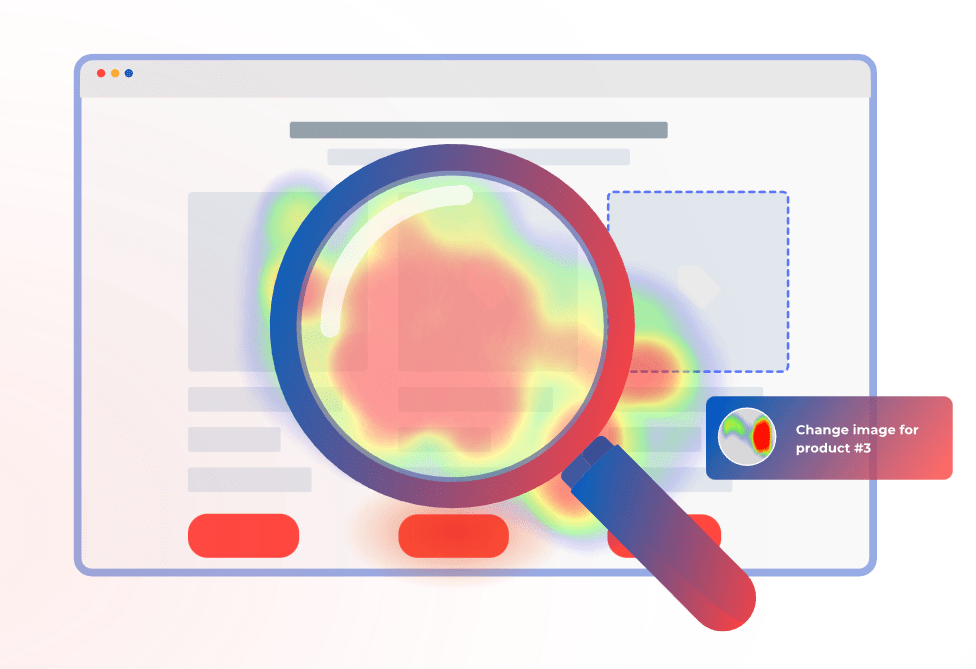
    For some, dead links are a small issue, and they move on to something else. But for others, these issues can be enough to cause them to exit the page entirely.

    Slow Loading Times

    Most users expect a page to load within five seconds at least. Any longer than that, and they may end up either leaving or rage clicking until the page finally loads. Either way, slow loading times can be a huge roadblock to a positive user experience.

    This delay can be particularly aggravating if users are trying to complete time-sensitive tasks, like making a purchase during a flash sale or filling out forms before a deadline. In such cases, every second counts, and any delay can feel like an eternity.

    Plus, slow loading times are not just an inconvenience. They can also be a deal-breaker and cause users to abandon the site altogether in search of faster alternatives.

    Misleading Buttons or Elements

    Misleading or broken elements and buttons on a website can cause a great deal of user frustration and increase your rage clicks. These are elements that look interactive—like buttons, icons, or links—but don’t behave as expected.

    For example, an image that looks like a button might do nothing when clicked, or what appears to be a dropdown menu may turn out to be just a static graphic.

    This confusion can also stem from elements that are interactive but lead to unexpected outcomes. For instance, a button labeled “More Information” that redirects users to a sign-up page instead of providing additional details can be misleading.

    Similarly, icons that resemble commonly used symbols (like a gear for settings or a magnifying glass for search) but serve different functions can mislead users, leading to clicks born out of confusion and the hope that repeated attempts might yield a different result.

    Such design choices can disrupt the user experience, as people waste time interacting with elements that don’t help them achieve their goals.

    Confusing Navigation

    Many users rage click when a website’s layout is not intuitive and makes it difficult for them to find what they are looking for. Instead of a smooth journey through different pages and sections, users encounter a puzzling maze that lacks clear signposts.

    These pain points might stem from poorly labeled menus, inconsistent navigation patterns across pages, or an overly complex or cluttered interface. 

    For example, a menu that changes location from page to page can disorient users, as can the use of technical or jargon-heavy labels that are not immediately understandable to the average visitor.

    Additionally, if key information is buried under multiple layers of navigation or if essential links are hidden within dropdown menus that are hard to access, users can become frustrated. They might click repeatedly in various areas hoping to stumble upon the right path, which only increases their irritation and the likelihood they will leave the site altogether.

    frustrated man using a laptop

    How Can You Track Rage Clicks?

    The first step to analyzing user behavior is to detect rage clicks, and the best way to do this is to use a web analytics tool like FullSession. With this platform, you have access to tools that can help you identify rage clicks and their causes, such as:

    Heatmaps

    Heatmaps offer a visual representation of where users click on a webpage, which can be extremely revealing. They aggregate user clicks to show patterns, including areas of high activity that might indicate frustration or confusion. With heatmaps, you can:

    • Identify High-Activity Zones: Look for areas with an unusually high density of clicks. These “hotspots” often indicate where users expect functionality that isn’t there, such as non-responsive buttons or decorative elements mistaken for interactive ones.
    • Analyze Click Patterns: Patterns can tell you a lot. Are many users clicking repeatedly in one spot? Are there rapid clicks spread over an entire area? This kind of activity can signify that users are trying different spots hoping for a response, suggesting that the interface may be misleading.
    • Compare Different Pages: By comparing heatmaps of different pages, you can identify whether certain design elements consistently lead to rage clicks across your site. This can be important for recognizing design flaws that need a broader strategy adjustment.
    website heatmap

    Session Recordings and Replays

    A session replay or recording gives you a detailed view of their interactions with your website. They can be particularly useful for understanding the context behind rage clicks:

    • Watch User Behavior: Observing how users move through your site can let you see what leads up to a rage click. What was the user trying to do? What might have triggered their frustration? This context is key to understanding why the rage clicks are happening.
    • Identify Usability Issues: Session recordings can help you spot usability problems that might not be obvious from other analytics. For example, if users frequently rage click after navigating through a certain process, there might be something about that process that is confusing.

    How Can You Minimize Rage Clicks?

    Analytics can give you actionable insights into how to address customer frustration and eliminate the things that cause rage clicks. 

    Here are some great strategies to improve the customer experience and keep users happy:

    Optimize Load Times

    Speed is a must-have factor in user satisfaction, and slow loading times are a common trigger for rage clicks.

    To improve your site’s performance, consider compressing images to reduce file sizes without sacrificing quality, minimizing HTTP requests by reducing the number of page elements, using a Content Delivery Network (CDN) to speed up content delivery globally, and optimizing JavaScript and CSS by minifying files and removing unnecessary code.

    Get Rid of Confusing Elements

    Interactive elements should be clearly distinguishable and perform exactly as expected. Design elements should be such that buttons distinctly look like buttons and links are obviously clickable. 

    Avoid designs that could be mistaken for interactive elements to prevent confusion.

    Make Navigation Easy

    Make sure that your website’s navigation is intuitive and straightforward. This involves maintaining a consistent layout across all pages so that users don’t have to relearn their way around each time they visit a different section.

    Use clear, direct language for menu items and links to make sure they are understandable and organize content in a clear hierarchy with breadcrumbs to help users track their navigation path.

    Conduct User Testing

    Regular testing with real users can provide insights into how people interact with your site and highlight customers’ pain points. Gather user feedback through usability testing sessions to get direct responses on what works and what doesn’t.

    You can also use A/B testing to experiment with different versions of your site to determine which elements perform best and which may lead to confusion and rage clicks.

    FullSession Pricing Plans

    FullSession Pricing

    The FullSession platform offers a 14-day free trial. It provides two paid plans—Basic and Business. Here are more details on each plan.

    • The Starter plan costs $39/month or $32/year and allows you to monitor up to 5,000 monthly sessions with up to 6 months of data storage.
    • The Business plan costs $75/month or $60/year and helps you to track and analyze up to 100,000 monthly sessions with up to 12 months of data storage.
    • The Enterprise plan has custom pricing and offers customizable sessions plus full access to all features.

    Book a demo today.

    Get Your First Heatmap Right Now

    It takes less than 5 minutes to set up your first website heatmap with FullSession, and it’s completely free!

    FAQs About Rage Clicks

    Can rage clicks affect website ranking?

    Yes. Search engines consider user engagement and satisfaction as ranking factors. High levels of frustration can lead to poor metrics, affecting SEO.

    Are rage clicks only common on desktop interfaces?

    No, rage clicks happen on mobile devices, too, often due to unresponsive buttons or difficult-to-navigate menus.

    How often should I check for rage clicks on my website?

    It’s a good idea to review your website analytics monthly to keep an eye on any emerging patterns that suggest user frustration.

  • A Beginner’s Guide to Psychographic Segmentation

    A Beginner’s Guide to Psychographic Segmentation

    Psychographic segmentation tells you how you can connect with your audience groups and maximize your conversions.

    What motivates your customers to buy? What type of marketing campaigns are they most likely to respond to? What psychographic traits can make them hate or love your brand? Psychographic segmentation answers all these questions and more.

    In this guide, we’ll introduce you to psychographic segmentation, explore the different variables involved, and explain how you can apply this research method to perfect every marketing campaign.

    What is Psychographic Segmentation?

    Psychographic segmentation takes marketing to a whole new level and dives deep into what really makes consumers tick. It’s not just about the surface-level stuff like how old they are, whether they’re male or female, or how much money they’re making. Here are some psychographic examples.

    Instead, it’s about getting to the heart of their personalities, figuring out what they value in life, and understanding their attitudes, hobbies, and lifestyles. It focuses on figuring out why people lean towards certain products or brands, why they shop the way they do, and why some ads just click with them.

    While other methods, like demographics or where people live, can tell you a lot, they don’t get to the crux of what drives a person’s buying decisions. Psychographic segmentation zeroes in on the internal stuff—the motivations, how people see themselves and their place in the world, and what they’re aiming for.

    With a deep understanding of these psychographic segments, companies can craft their marketing messages to hit right where it counts and resonate with their target audience on a personal level.

    What Are Psychographic Segmentation Variables?

    Psychographic segmentation variables add depth, flavor, and personality to your marketing strategies. Let’s break down what each of these variables brings to the table:

    Personality Traits

    Think of personality traits as the core of what makes each person unique. Are they adventurous or more of a homebody? Optimistic or a bit more cautious? 

    Understanding these traits helps brands create messages that feel like they’re speaking directly to someone rather than shouting into the void.

    Lifestyle Preferences

    This variable focuses on how people live their day-to-day lives. Are they health enthusiasts? Night owls? Academics? 

    Tailoring your approach to fit these lifestyles means your message is more likely to land in a place that resonates.

    Activities, Interests, and Opinions (AIO)

    Here’s where you get into the nitty-gritty of what people do for fun, what they’re passionate about, and what opinions they hold dear.

    Are they DIYers, avid readers, or sports fanatics? Do they care deeply about environmental issues or education? Aligning your brand with these aspects can create a powerful sense of connection.

    Social Class

    The social class touches on the economic, cultural, and social layers that influence how people see themselves and their buying behaviors. In addition to income, it also includes aspirations and values associated with different social strata.

    Understanding social status can help you position your products or services in a way that feels accessible and appealing to each class segment.

    Attitudes

    Attitudes are about people’s feelings and viewpoints toward various aspects of life, including work, leisure, and consumption. 

    Understanding these variables can give you valuable data to either challenge them, reinforce them, or present something that shifts them in a favorable direction for your brand.

    Why Should You Use Psychographic Segmentation?

    Psychographic or behavioral segmentation is a necessary step in creating an effective marketing strategy. Even if you have already created your ideal customer profile, you still have to get to know your actual target audience better and understand what they are like in real life.

    Understand Your Customers’ Needs Better

    Psychographic segmentation gives you a good grasp of the psychological aspects of consumer behavior. More specifically, it helps you to understand not just what your customers are buying but why they’re buying it.

    This understanding goes beyond superficial traits. It allows you to uncover the underlying motivations, desires, and needs of your audience. It’s like getting inside their heads and hearts, which in turn, helps you to serve them better.

    Personalize Your Marketing Messages

    Personalized marketing stands out in a space bombarded with generic advertising. People aren’t interested in ads where it’s clear they are not the target market. 

    Even if they are, a lack of personalized marketing campaigns can make them feel like you’re casting a huge net instead of a hook meant for them and them only.

    Psychographic segmentation allows you to tailor your messaging to capture the specific segments of your audience. 

    Whether through customized email campaigns, targeted ads, or bespoke content, speaking directly to your customers’ unique interests, values, and lifestyles makes your brand more relevant and appealing to them.

    Improve Customer Engagement

    When your marketing messages hit the right chord, user engagement naturally follows. 

    By maximizing psychographic segmentation, you can create content and campaigns that are more engaging and interesting to your audience—so much so that they’re bound to click, like, or comment.

    This leads to higher interaction rates across your marketing channels, be it through social media likes and shares, increased website visits, or more participation in promotions and events. Essentially, you’re creating a conversation that your customers want to be part of.

    Maximize Funnel Conversions

    Funnel conversion is the ultimate goal for marketing campaigns, and your efforts to increase personalization and engagement contribute to it.

    Psychographic segmentation sharpens your marketing funnel by making sure that the messages and offers your potential customers receive are highly relevant and compelling to them. 

    This relevance boosts the likelihood of conversions at every stage of the funnel, from initial awareness to final purchase, by aligning your value proposition with their psychographic profile.

    Promote Brand Loyalty

    Finally, when customers feel understood and valued by a brand, their loyalty deepens. 

    Psychographic segmentation enables you to continually align your products, services, and messaging with the evolving preferences and expectations of your audience.

    Ongoing relevance among your target market fosters a strong emotional connection with your brand. This turns casual buyers into loyal advocates who are more likely to repeat purchases and recommend your brand to others. Remember, word-of-mouth marketing is the best kind!

    How to Collect Psychographic Segmentation Data

    Psychographic data can come from many different places. Here are a few examples:

    1. Surveys and Questionnaires

    Surveys and questionnaires are the main part of market research. They’re direct, versatile, and can be customized to collect the information you need about your audience’s psychographic characteristics.

    Plus, they’re easy to conduct on a large scale and aren’t that expensive compared to other psychographic market segmentation methods.

    To get the most out of them:

    • Craft Insightful Questions: Ask about interests, hobbies, values, attitudes, and lifestyle choices to get a clear picture of the person behind the responses.
    • Make It Easy and Engaging: Keep it short, sweet, and visually appealing to encourage completion. Offering incentives, such as discount codes or freebies, can also increase response rates.
    • Use Open-Ended Questions: While yes/no questions are easy to analyze, open-ended questions can provide richer, more nuanced insights into the five psychographic segmentation variables.

    2. Customer Interviews and Focus Groups

    Interviews and focus groups allow you to dive deeper into your consumers’ minds and explore their attitudes, feelings, and opinions in more detail. 

    Here are a few helpful tips:

    • Encourage Open Discussion: The less structured, conversational approach helps reveal deeper customer insights than surveys might miss.
    • Look for Non-Verbal Cues: Body language and tone can often tell you more about a person’s true feelings than their words.
    • Select Participants Wisely: Make sure your target groups or interviewees are representative of your target audience for accurate insights.

    3. Web Analytics

    Your website is a gold mine of psychographic data, revealing not just who visits but how they interact with your content. 

    Remember to:

    • Analyze Behavior Flow: Understand how visitors navigate your site, which pages they linger on, and where you lose their interest. Interactive heat maps and session recordings are great tools for this.
    • Track Engagement Metrics: Look at what content generates the most engagement, such as comments, shares, and time spent on the page.
    • Segment Users: Use analytics to segment visitors based on their behavior, which can be indicative of their interests and preferences.

    4. Social Media Analytics

    If a good chunk of your target audience spends a lot of their time on social media, using social media analytics is a no-brainer. Psychographic and demographic data from Facebook, Instagram, LinkedIn, and other platforms can supplement your current customer personas.

    Here’s what to do:

    • Monitor Interactions: Pay attention to which posts your audience engages with most, what they share, and the conversations they’re having.
    • Listen to the Conversation: Tools like social listening can help you catch unfiltered opinions and discussions about your brand and relevant topics.
    • Analyze Demographics and Interests: Most social platforms offer analytics that provide insights into the interests, purchasing habits, and preferences of your followers.

    What to Do With Psychographic Data

    Collecting psychographics can be a tedious process, but it’s just half of the work. What you do with that data is much more important. Of course, this will depend on your industry and the type of business you have, but in general, the application of psychographic segmentation can include:

    • Refining or developing products and services that speak directly to the desires, needs, and lifestyles of your target segments.
    • Tailoring your campaigns to reflect the language, tone, and values that your research shows will resonate most strongly with each segment.
    • Creating highly targeted ads that speak directly to what matters most to them.
    • Customizing the user experience on your website or app.
    • Tracking emerging trends and shifts in consumer behaviors and attitudes.
    • Making broader business strategies, including product development, customer service, and even choosing business partners or sponsorships that align with your audience’s values and interests.

    Psychographic Segmentation Examples

    The most successful companies use psychographic segmentation to keep their target market engaged and loyal. Take a look at these real-life psychographic segmentation examples:

    Nike

    Nike targets consumers who value athleticism, health, and fitness. Their marketing often features inspiring stories of perseverance and achievement, resonating with individuals who see athleticism not just as a hobby but as a core part of their identity.

    Apple

    Apple focuses on consumers who appreciate innovation, design, and simplicity. Their marketing emphasizes sleek design, ease of use, and a creative lifestyle, appealing to tech enthusiasts and creative professionals alike.

    Patagonia

    Patagonia targets environmentally conscious consumers who value sustainability and outdoor activities. Their marketing and brand messaging focus on environmental conservation, appealing to customers who prioritize eco-friendly products and practices.

    Spotify

    Spotify uses psychographic segmentation to target music enthusiasts and podcast listeners who value personalization and discovery. Their playlists and recommendations are tailored to individual tastes, appealing to users who see music as a way to express their identity and mood.

    Master Psychographic Segmentation With FullSession

    Web analytics is often the best starting point for collecting psychographic data. The data is already there, and all you have to do is analyze it before you create marketing campaigns, re-design your website, or make other significant business changes.

    However, analyzing psychographic information is easier said than done, which is why you need something like FullSession to guide you. FullSession is a powerful stack of tools that give you a deeper understanding of your target market. These include:

    • Interactive Heat Maps: Get a visual on what your web visitors are engaging with or otherwise ignoring. Identify issues like dead links or confusing layouts.
    • Session Recordings and Replays: Watch exactly how your users are interacting with your website. This can help you pinpoint frustration points and highly performing elements.
    • Customer Feedback Tools: Gather instant feedback from your web visitors to supplement your quantitative and qualitative data.
    • Market Segmentation and Filtering Tools: Perform psychographic and demographic segmentation to see how your current marketing efforts are working and who they work the best for.

    FullSession Pricing Plans

    Fullsession Pricing

    The FullSession platform offers a 14-day free trial. It provides two paid plans—Basic and Business. Here are more details on each plan.

    • The Free plan is available at $0/month and lets you track up to 500 sessions per month with 30 days of data retention, making it ideal for testing core features like session replay, heatmaps, and frustration signals.
    • The Growth Plan starts from $23/month (billed annually, $276/year) for 5,000 sessions/month – with flexible tiers up to 50,000 sessions/month. Includes 4 months of data retention plus advanced features like funnels & conversion analysis, feedback widgets, and AI-assisted segment creation.
    • The Pro Plan starts from $279/month (billed annually, $3,350/year) for 100,000 sessions/month – with flexible tiers up to 750,000 sessions/month. It includes everything in the Growth plan, plus unlimited seats and 8-month data retention for larger teams that need deeper historical insights.
    • The Enterprise plan starts from $1,274/month when billed annually ($15,288/year) and is designed for large-scale needs with 500,000+ sessions per month, 15 months of data retention, priority support, uptime SLA, security reviews, and fully customized pricing and terms.

    Book a demo today.

    Install Your First Web Analytics App Right Now

    It takes less than 5 minutes to discover your psychographic segments withFullSession, and it’s completely free!

    FAQs About Psychographic Segmentation

    Isn’t psychographic segmentation just for big brands?

    Not at all! Businesses of all sizes can—and should—leverage psychographic segmentation to deepen customer relationships and drive engagement.

    How often should I collect psychographic data?

    Regularly. As your audience evolves, so should your understanding of them. Think of it as an ongoing conversation.

    Can I combine psychographic segmentation with other types?

    Absolutely. Combining psychographics with demographic or geographic segmentation can provide a more three-dimensional view of your audience.