.svg)

Hotjar vs FullSession for SaaS: how PLG teams actually choose for activation

If you own activation, you already know the pattern: you ship onboarding improvements, signups move, and activation stays flat. The team argues about where the friction is because nobody can prove it fast.
This guide is for SaaS product and growth leads comparing Hotjar vs FullSession for SaaS. It focuses on what matters in real evaluations: decision speed, workflow fit, and how you validate impact on activation.
TL;DR: A basic replay tool can be enough for occasional UX audits and lightweight feedback. If activation is a weekly KPI and your team needs repeatable diagnosis across funnels, replays, and engineering follow-up, evaluate whether you want a consolidated behavior analytics workflow. You can see what that looks like in practice with FullSession session replays.
What is behavior analytics for PLG activation?
Behavior analytics is the set of tools that help you explain “why” behind your activation metrics by observing real user journeys. It typically includes session replay, heatmaps, funnels, and user feedback. The goal is not watching random sessions. The goal is turning drop-off into a specific, fixable cause you can ship against.
Decision overview: what you are really choosing
Most “Hotjar vs FullSession” comparisons get stuck on feature checklists. That misses the real decision: do you need an occasional diagnostic tool, or a workflow your team can run every week?
When a simpler setup is enough
If you are mostly doing periodic UX reviews, you can often live with a lighter tool and a smaller workflow. You run audits, collect a bit of feedback, and you are not trying to operationalize replays across product, growth, and engineering.
When activation work forces a different bar
If activation is a standing KPI, the tool has to support a repeatable loop: identify the exact step that blocks activation, gather evidence, align on root cause, and validate the fix. If you want the evaluation criteria we use for that loop, start with the activation use case hub at PLG activation.
How SaaS teams actually use replay and heatmaps week to week
The healthiest teams do not “watch sessions.” They run a rhythm tied to releases and onboarding experiments. That rhythm is what you should evaluate, not the marketing page.
A typical operating cadence looks like this: once a week, PM or growth pulls the top drop-off points from onboarding. Then they watch a small set of sessions at the exact step where users stall. Then they package evidence for engineering with a concrete hypothesis.
Common mistake: session replay becomes a confidence trap
Session replay is diagnostic, not truth. A common failure mode is assuming the behavior you see is the cause, when it is really a symptom.
Example: users rage click on “Continue” in onboarding. You fix the button styling. Activation stays flat. The real cause was an error state or a slow response that replay alone did not make obvious unless you correlate it with the right step and context.
Hotjar vs FullSession for SaaS: what to verify for activation workflows
If you are shortlisting tools, treat this as a verification checklist. Capabilities vary by plan and setup, so the right comparison question is “Can we run our activation workflow end to end?”
You can also use the dedicated compare hub as a quick reference: FullSession vs Hotjar.
What you need for activation |
What to verify in Hotjar |
What to verify in FullSession |
|---|---|---|
Find the step where activation breaks |
Can you isolate a specific onboarding step and segment the right users (new, returning, target persona)? |
Can you tie investigation to a clear journey and segments, then pivot into evidence quickly? |
Explain why users stall |
Can you reliably move from "drop-off" to "what users did" with replay and page context? |
Can you move from funnels to replay and supporting context using one workflow, not multiple tabs? |
Hand evidence to engineering |
Can PMs share findings with enough context to reproduce and fix issues? |
Can you share replay-based evidence in a way engineering will trust and act on? |
Validate the fix affected activation |
Can you re-check the same step after release without rebuilding the analysis from scratch? |
Can you rerun the same journey-based check after each release and keep the loop tight? |
Govern data responsibly |
What controls exist for masking, access, and safe use across teams? |
What controls exist for privacy and governance, especially as more roles adopt it? |
If your evaluation includes funnel diagnosis, anchor it to a real flow and test whether your team can investigate without losing context. This is the point of tools like FullSession funnels.
A quick before/after scenario: onboarding drop-off that blocks activation
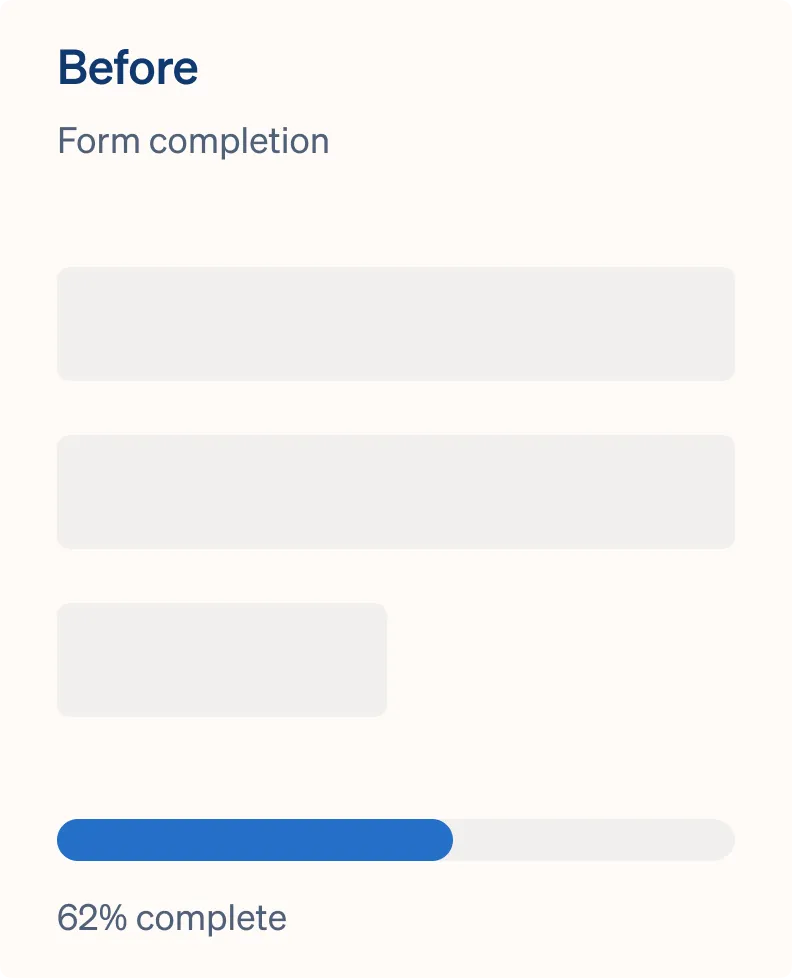
Before: A PLG team sees a sharp drop between “Create workspace” and “Invite teammates.” Support tickets say “Invite didn’t work” but nothing reproducible. The PM watches a few sessions, sees repeated clicks, and assumes it is a confusing copy. Engineering ships a wording change. Activation does not move.
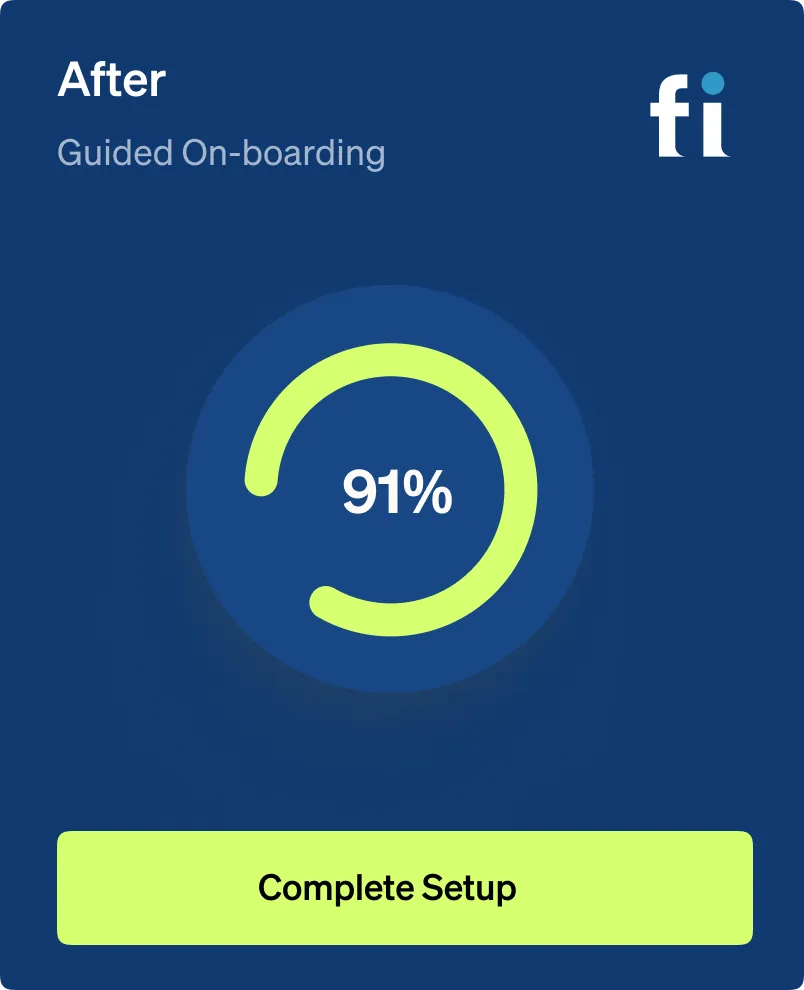
After: The same team re-frames the question as “What fails at the invite step for the segment we care about?” They watch sessions only at that step, look for repeated patterns, and capture concrete evidence of the failure mode. Engineering fixes the root cause. PM reruns the same check after release and confirms the invite step stops failing, then watches whether activation stabilizes over the next cycle.
The evaluation workflow: run one journey in both tools
You do not need a month-long bake-off. You need one critical journey and a strict definition of “we can run the loop.”
Pick the journey that most directly drives activation. For many PLG products, that is “first project created” or “first teammate invited.”
Define your success criteria in plain terms: “We can identify the failing step, capture evidence, align with engineering, ship a fix, and re-check the same step after release.” If you cannot do that, the tool is not supporting activation work.
Decision rule for PLG teams
If the tool mostly helps you collect occasional UX signals, it will feel fine until you are under pressure to explain a KPI dip fast. If the tool helps you run the same investigation loop every week, it becomes part of how you operate, not a periodic audit.
Rollout plan: implement and prove value in 4 steps
This is the rollout approach that keeps switching risk manageable and makes value measurable.
- Scope one journey and one KPI definition.
Choose one activation-critical flow and define the activation event clearly. Avoid “we’ll instrument everything.” That leads to noise and low adoption. - Implement, then validate data safety and coverage.
Install the snippet or SDK, confirm masking and access controls, and validate that the journey is captured for the right segments. Do not roll out broadly until you trust what is being recorded. - Operationalize the handoff to engineering.
Decide how PM or growth packages evidence. Agree on what a “good replay” looks like: step context, reproduction notes, and a clear hypothesis.
Close the loop after release.
Rerun the same journey check after each relevant release. If you cannot validate fixes quickly, the team drifts back to opinions.
Risks and how to reduce them
Comparisons are easy. Rollouts fail for predictable reasons. Plan for them.
Privacy and user trust risk
The risk is not just policy. It is day-to-day misuse: too many people have access, or masking is inconsistent, or people share sensitive clips in Slack. Set strict defaults early and treat governance as part of adoption, not an afterthought.
Performance and overhead risk
Any instrumentation adds weight. The practical risk is engineering pushback when performance budgets are tight. Run a limited rollout first, measure impact, and keep the initial scope narrow so you can adjust safely.
Adoption risk across functions
A typical failure mode is “PM loves it, engineering ignores it.” Fix this by agreeing on one workflow that saves engineering time, not just gives PM more data. If the tool does not make triage easier, adoption will stall.
When to use FullSession for activation work
If your goal is to lift activation, FullSession tends to fit best when you need one workflow across funnel diagnosis, replay evidence, and cross-functional action. It is positioned as a privacy-first behavior analytics software, and it consolidates key behavior signals into one platform rather than forcing you to stitch workflows together.
Signals you should seriously consider FullSession:
- You have recurring activation dips and need faster “why” answers, not more dashboards.
- Engineering needs higher quality evidence to reproduce issues in onboarding flows.
- You want one place to align on what happened, then validate the fix, tied to a journey.
If you want a fast way to sanity-check fit, start with the use case page for PLG activation and then skim the compare hub at FullSession vs Hotjar.
Next steps: make the decision on one real journey
Pick one activation-critical journey, run the same investigation loop in both tools, and judge them on decision speed and team adoption, not marketing screenshots. If you want to see how this looks on your own flows, get a FullSession demo or start a free trial and instrument one onboarding journey end to end.
FAQs
It can be, depending on how you run your workflow. The key question is whether your team can consistently move from an activation drop to a specific, fixable cause, then re-check after release. If that loop breaks, activation work turns into guesswork.
Sometimes, teams run overlapping tools during evaluation or transition. The risk is duplication and confusion about which source of truth to trust. If you keep both, define which workflow lives where and for how long.
Run a journey-based test. Pick one activation-critical flow and see whether you can isolate the failing step, capture evidence, share it with engineering, and validate the fix. If you cannot do that end to end, the features do not matter.
Start with the step that is most correlated with activation, like “first project created” or “invite teammate.” Then watch sessions only at that step for the key segment you care about. Avoid watching random sessions because it creates false narratives.
Treat it as a launch gate. Validate masking, access controls, and sharing behavior before you give broad access. The operational risk is internal, not just external: people sharing the wrong evidence in the wrong place.
If you scope to one journey, you can usually tell quickly whether the workflow fits. The slower part is adoption: getting PM, growth, and engineering aligned on how evidence is packaged and how fixes are validated.
See what’s costing you, and prove whats fixing it is worth
Watch the real journey, rank every issue by revenue impact, and validate the result against baseline.



.svg)
.svg)
212 E Stone Path St Derby, KS 67037 Phone: +1 415-649-4222



All systems operational.