Author: Roman Mohren (CEO)
-

Enterprise AI Governance in Practice: How We Redesigned Our Workflows for AI Without Giving Up Control
A randomized trial across 66 firms found AI users saved two hours a week on email and changed nothing else about how work moved. Here is how we redesigned our software development and go-to-market workflows at FullSession, and the three-layer operating model that kept control intact.
-

Qualitative vs Quantitative Data: Key Differences & Examples
Your analytics dashboard says conversions dropped by 12% last week. It doesn’t explain why. That gap lies at the heart of the qualitative vs. quantitative data question. Quantitative data tells you what happened and how often, while qualitative data tells you why. Quantitative data is anything you can count or measure, such as session length…
-
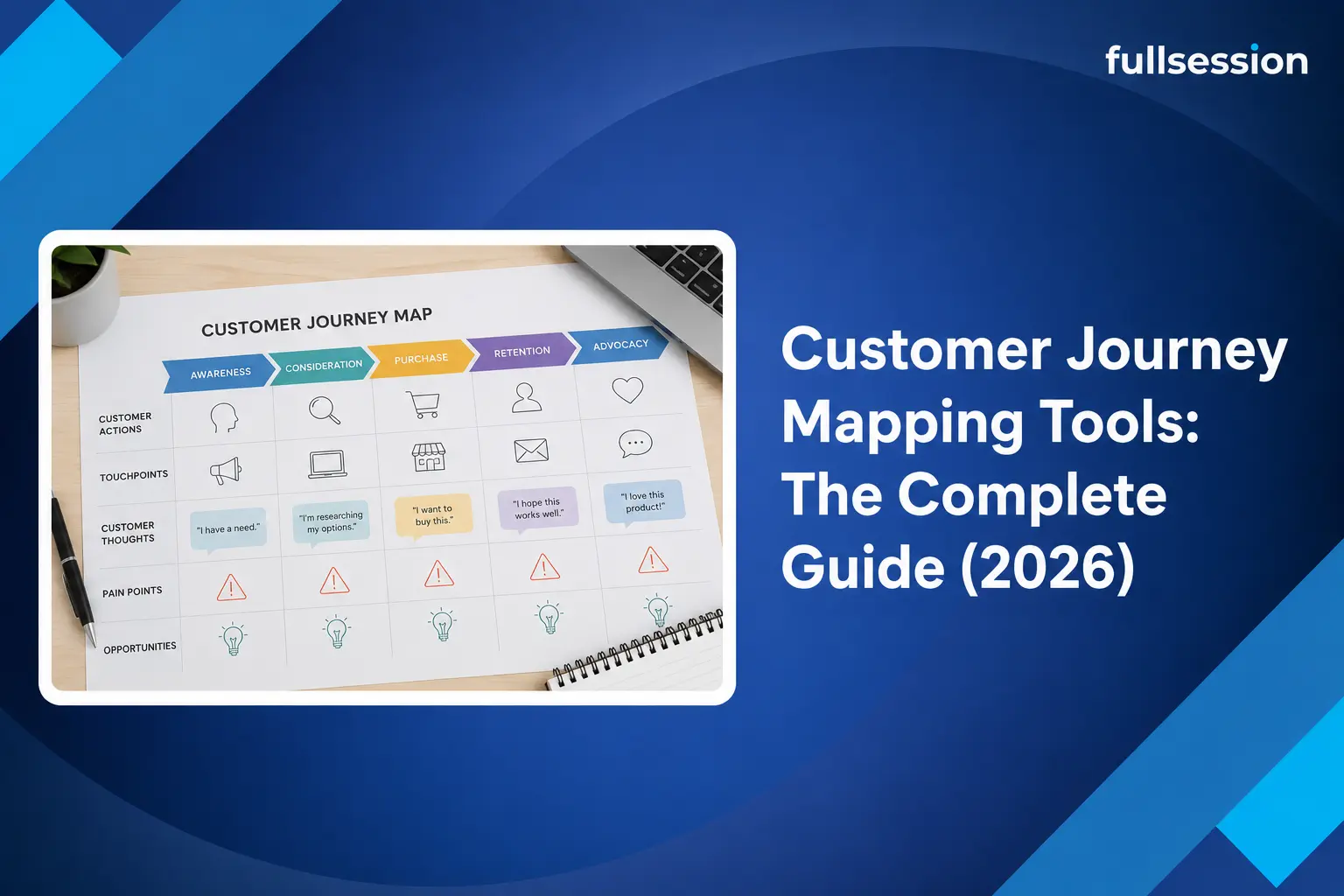
Customer Journey Mapping Tools: The Complete Guide (2026)
Most customer journey maps get built once, presented in a meeting, and then quietly go stale. Customer journey mapping tools exist to stop that cycle by giving teams a shared, updatable view of how people actually move through a product or service. Some teams call the output customer journey maps; others call them user journey…
-
40 Close-Ended Question Examples For Market Research And UX
A closed-ended question is a survey question that limits respondents to a fixed set of predefined answer choices, such as yes/no, multiple-choice, or a rating scale. If you’re staring at a blank survey builder and the wording won’t come out right, our list of closed-ended question examples solves that blank-page problem fast: pick a format,…
-
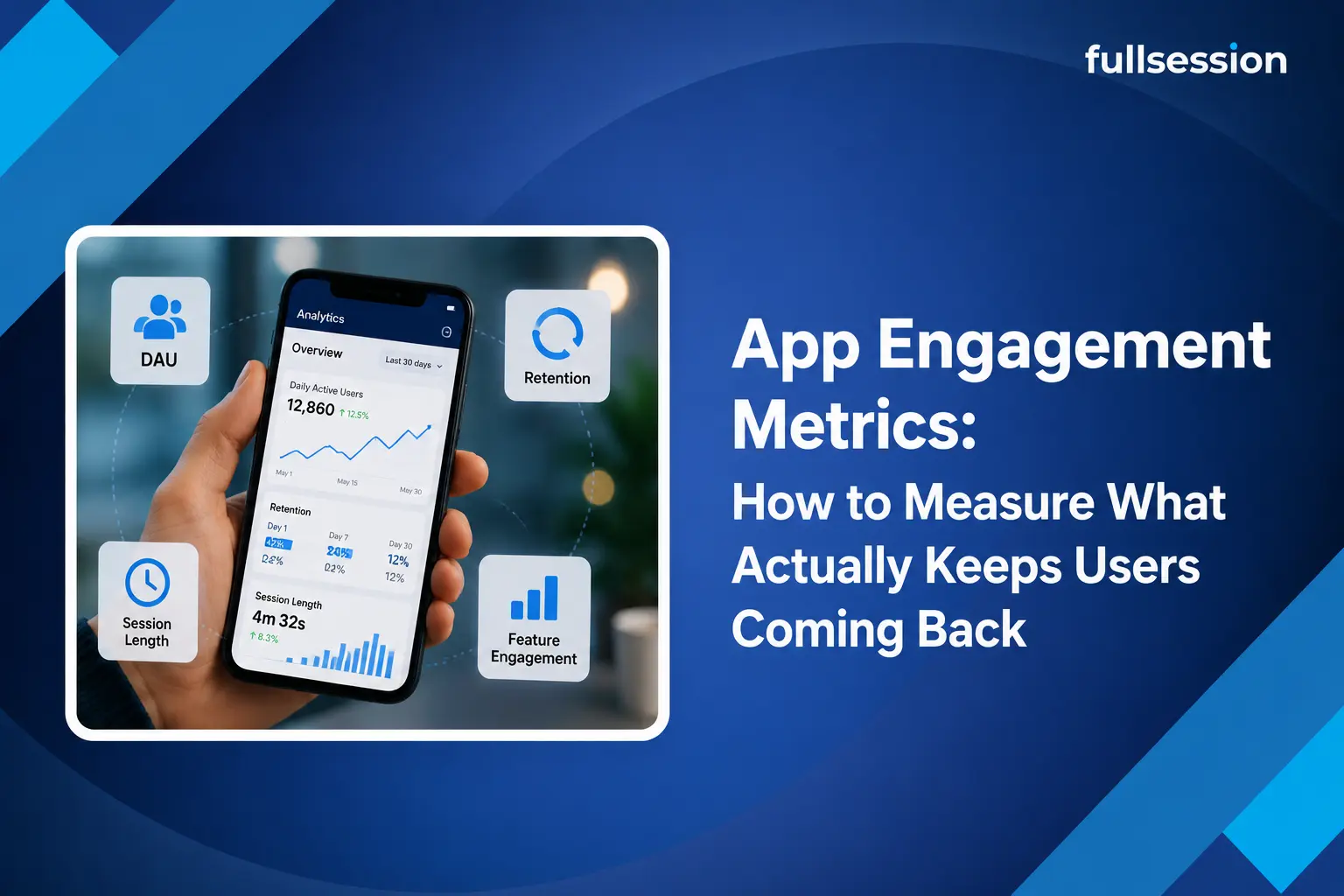
App Engagement Metrics: How to Measure What Actually Keeps Users Coming Back
You shipped the feature three weeks ago. The release notes went out, a few hundred people clicked it, and the usage chart shows a line that points up and to the right. So it worked. Probably. Except renewal conversations keep circling back to the same gap the feature was supposed to close, and nobody on…
-

Ecommerce Conversion Rate Optimization: A Complete Guide for 2026
Most ecommerce brands are solving the wrong problem. They spend more on traffic, while the visitors they already have leave without buying. Ecommerce conversion rate optimization is how you fix that. Ecommerce conversion rate optimization is the practice of increasing the percentage of website visitors who complete a desired action on your online store, most…
-
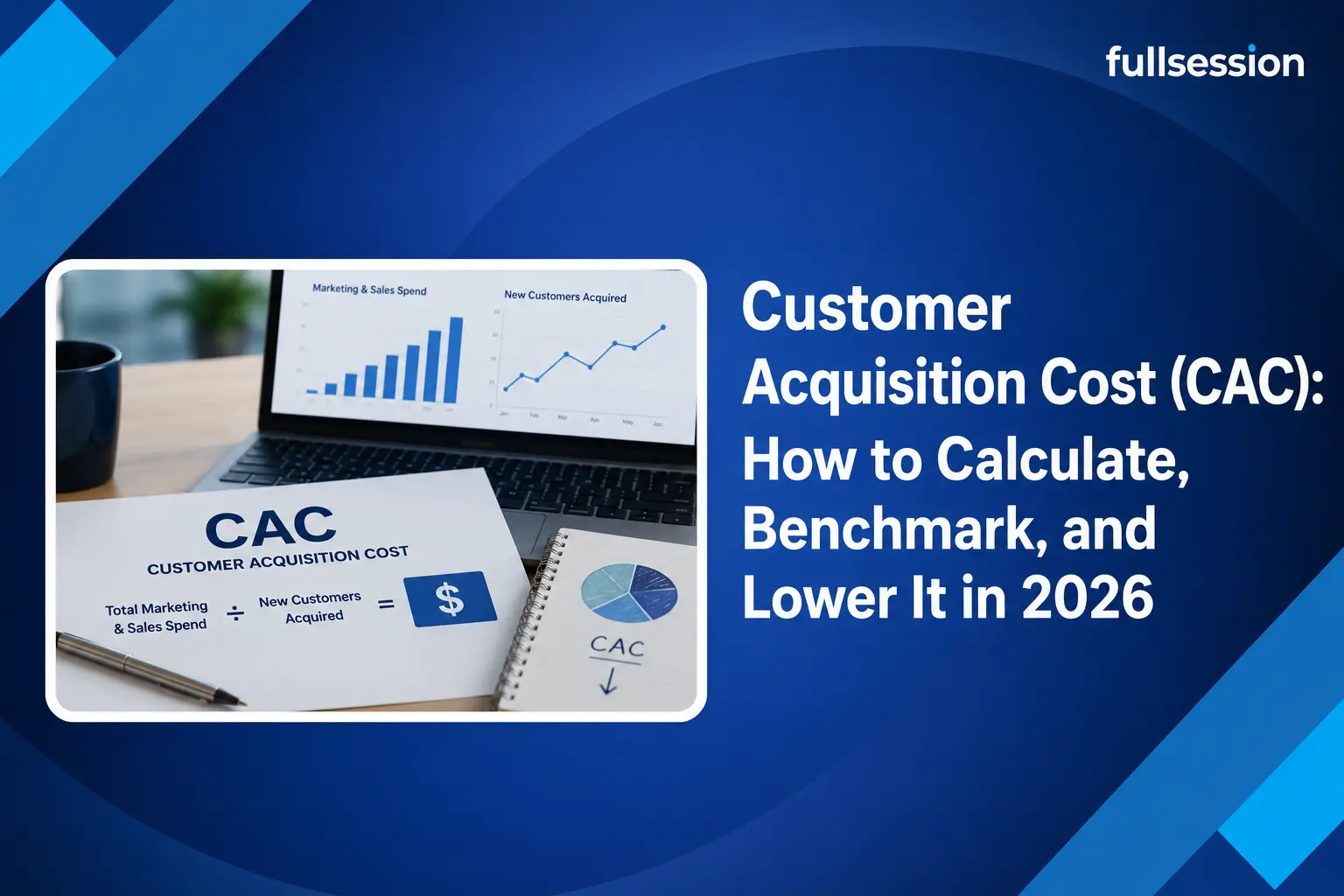
Customer Acquisition Cost (CAC): How to Calculate, Benchmark, and Lower It in 2026
The quarterly review lands and the customer acquisition cost line is pointing the wrong way. Spend is up, the pipeline looks busy, and each new customer somehow costs more than the last. Someone asks the obvious question: where is the money going? The dashboard shows CAC climbing but not the reason, and that gap is…
-
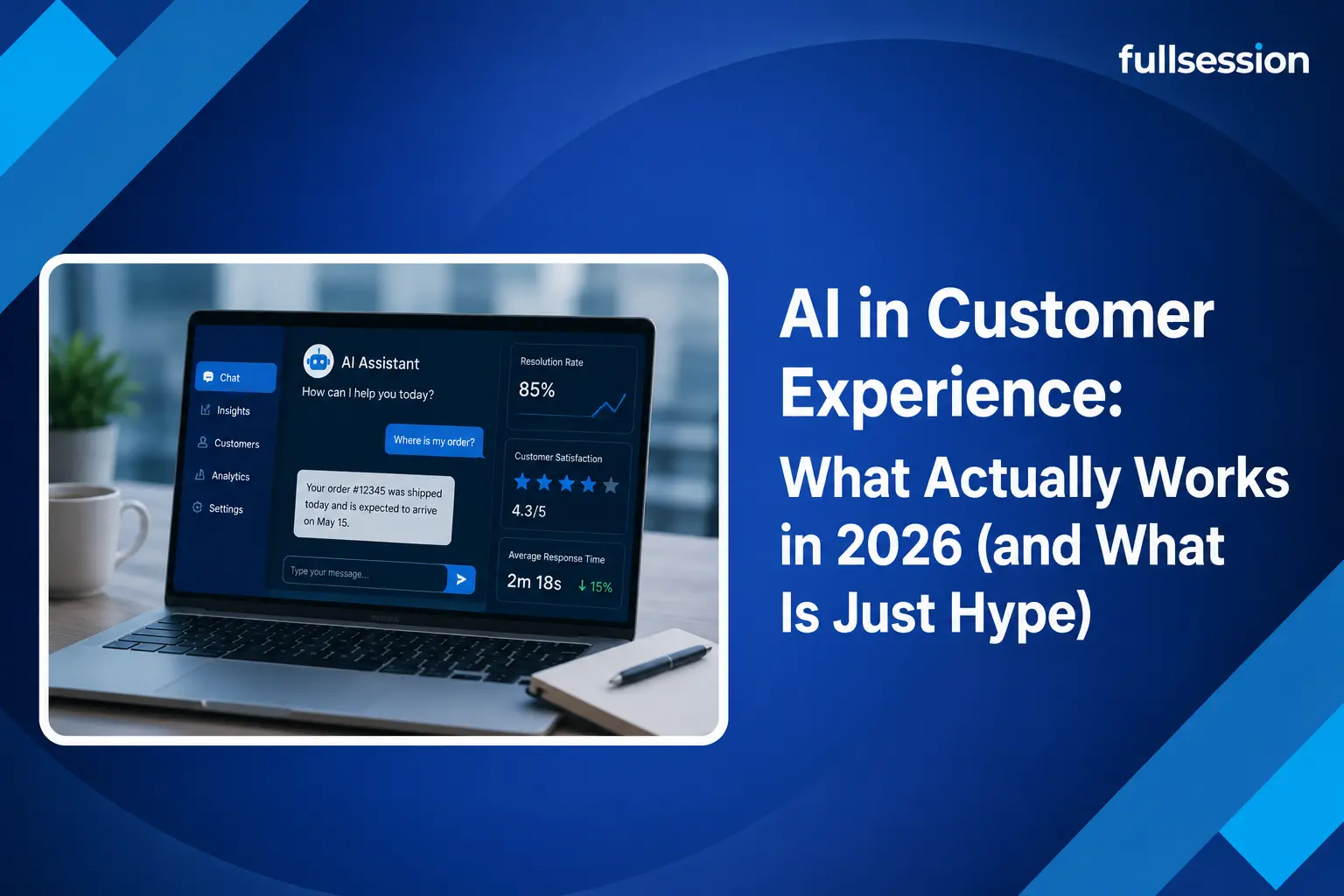
AI in Customer Experience: What Actually Works in 2026 (and What Is Just Hype)
The mandate arrives from above: add AI to the customer experience. So the stack grows another tool, a new dashboard lights up, and a model starts scoring things. A quarter later the reports are prettier, the demos went well, and customers are still rage-clicking through the same checkout step they were stuck on before. The…
-
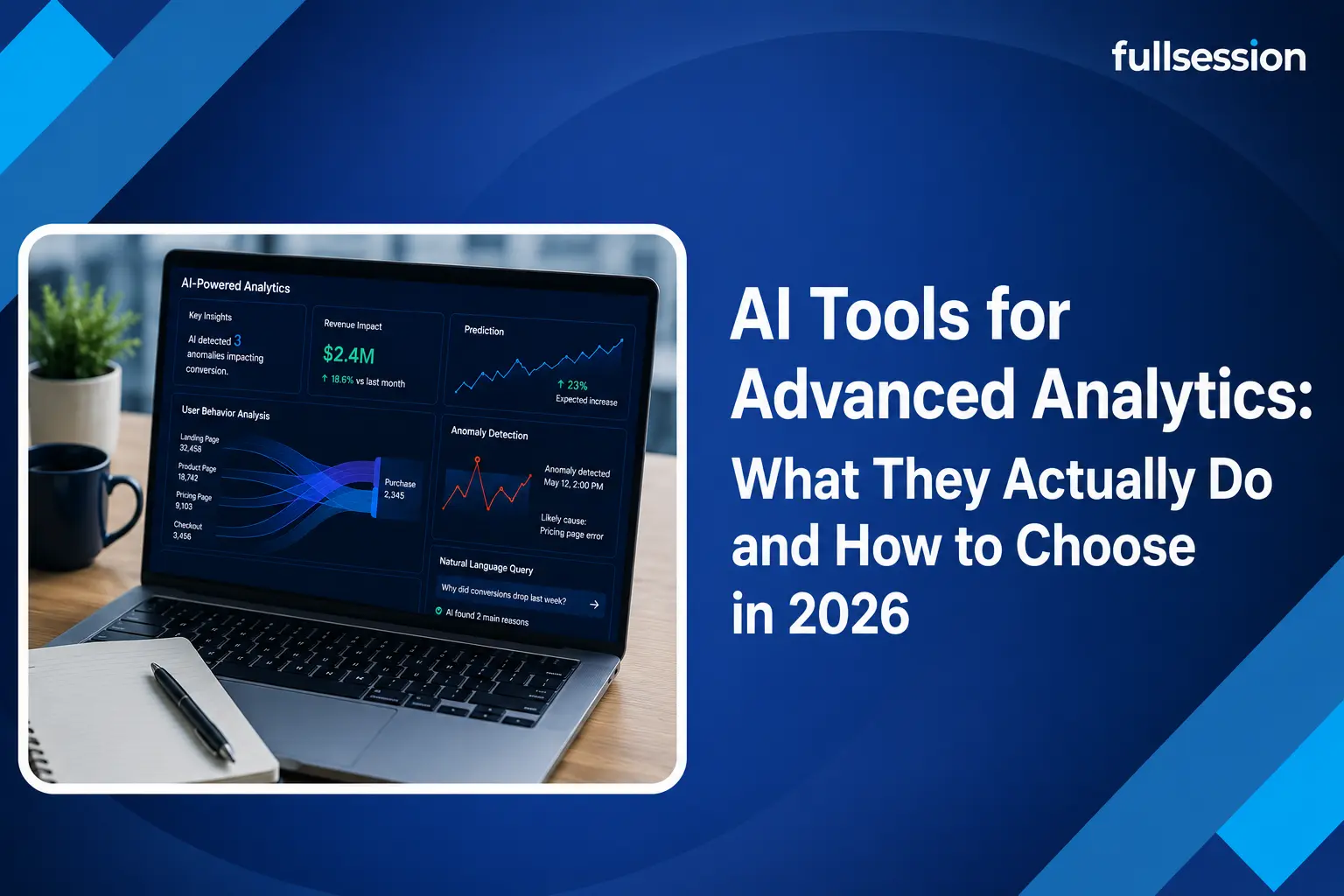
AI Tools for Advanced Analytics: What They Actually Do and How to Choose in 2026
Search for AI analytics tools and you get the same thing every time: a list of seven products that have nothing to do with each other. A social listening tool sits next to a business intelligence suite, next to an A/B testing platform, next to a behavior analytics product. Each one is fine. Together they…
-
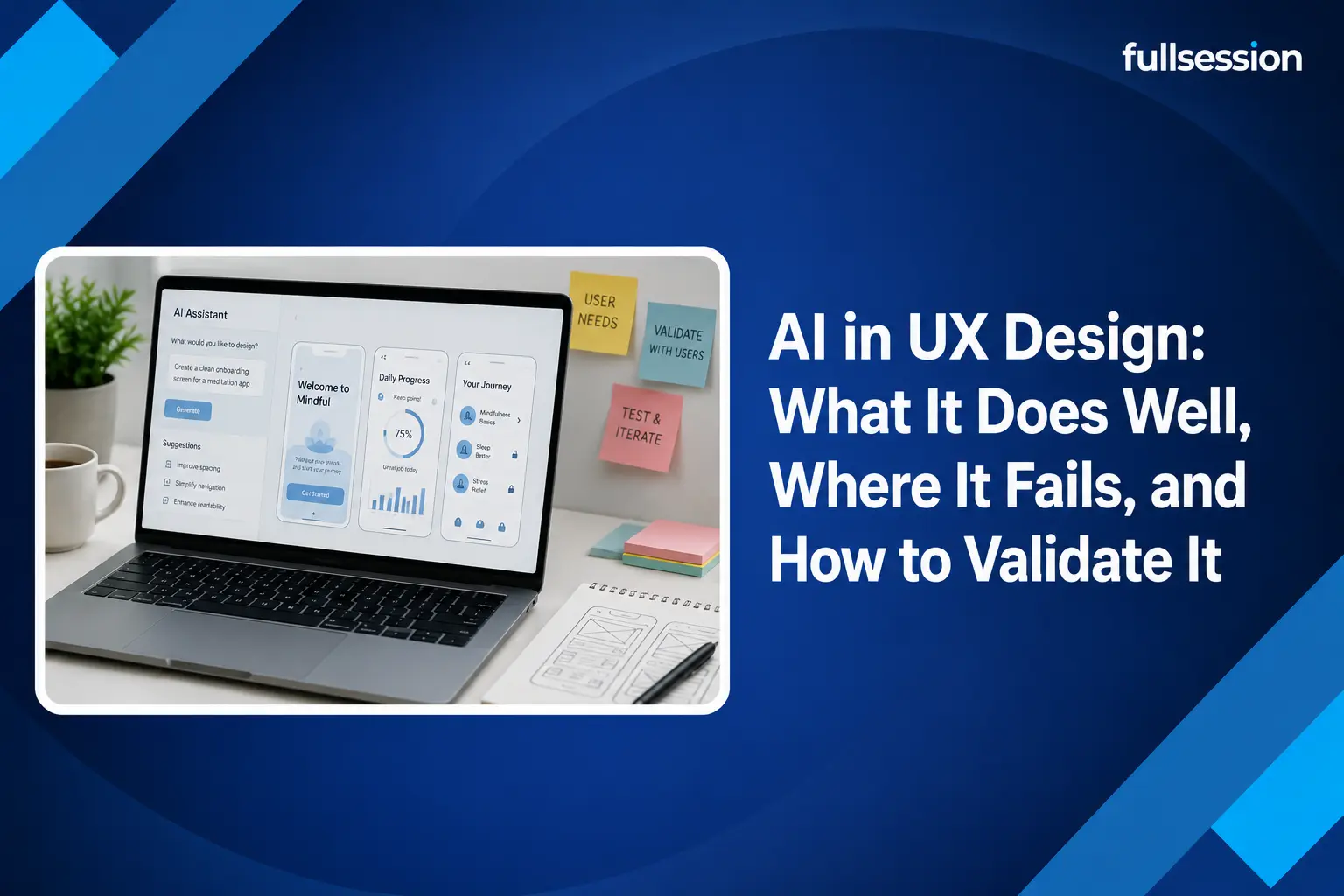
AI in UX Design: What It Does Well, Where It Fails, and How to Validate It
AI can now generate a wireframe, write the microcopy, and spin up five layout variations before your coffee is cold. What it cannot do is tell you which of those five a real person will understand, trust, and get through without stalling. That gap, between producing a design and knowing it works, is the whole…