.svg)

Heatmaps for Checkout Optimization (SaaS vs. Ecommerce Walkthroughs)

Walkthroughs
Heatmaps for Checkout Optimization: SaaS vs Ecommerce Walkthroughs
By Roman Mohren, CEO @ FullSession • Last updated: Nov 2025
Part of our pillar: Heatmaps for Conversion: From Insight to A/B Wins
Decision TL;DR: Who should pick which workflow?
SaaS checkout (subscriptions): Choose heatmaps + Funnels with device segmentation to isolate plan card interactions, below-the-fold CTAs, and disabled “Continue” states. Prioritize steps where payment + tax + address forms stack vertically on mobile.
Ecommerce checkout (carts): Choose heatmaps + Funnels focused on coupon/gift card fields, shipping method toggles, and guest vs sign-in friction. Prioritize tap clusters near Apply buttons and address auto-complete behavior.
Hybrid orgs: Standardize on Interactive Heatmaps for both flows so teams triage where (heatmap) → drop-off (funnel) → why (optional replay) in one motion.
Feature / Cost / Privacy Parity (Updated Nov 2025)
Snapshot of how SaaS vs Ecommerce checkout optimization typically uses FullSession. Use it to choose your starting configuration, then compare the best checkout optimization software if your ecommerce team needs a broader view of tools for checkout diagnosis, funnel analysis, and conversion improvement.
Feature parity (SaaS vs Ecommerce)
Cost posture (operating guidance)
Privacy posture
Migration (3 steps, ~30 minutes typical)
Install & segment (5–10 minutes)
Add the FullSession snippet via tag manager or module import. Enable device/viewport filters and confirm masking & consent.
Create saved views (10–15 minutes)
- SaaS: “Plan Grid (Mobile)”, “Billing Form Error States”, “Confirm Step”.
- Ecommerce: “Coupon Apply + Order Summary”, “Shipping Method Toggle”, “Payment Step”.
Add funnel jump-to-heatmap shortcuts for each.
Validate parity & go live (5 minutes)
Run a 24–72h window, compare tap clusters, scroll depth, and drop-off deltas. (Optional) spot-check with replay. Standardize the daily triage ritual.
Risks & mitigations
- Risk: “Heatmap discrepancy” from mismatched windows. Mitigation: Align date ranges, devices, and steps before comparing.
- Risk: False positives from promo traffic. Mitigation: Annotate campaigns; compare like-for-like windows and traffic sources in Funnels.
- Risk: Over-collection / payload bloat. Mitigation: Keep masking defaults; restrict capture to checkout steps.
- Risk: Team context switching between tools. Mitigation: Use funnel jump-to-heatmap (and optional replay) to keep diagnosis in one place.
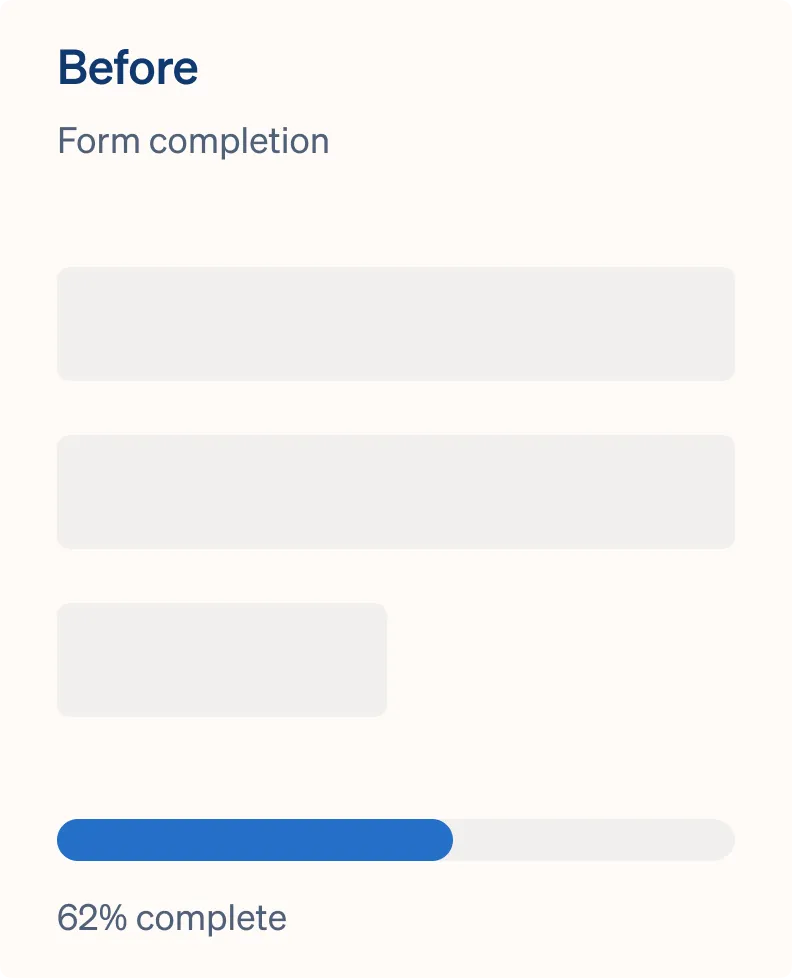
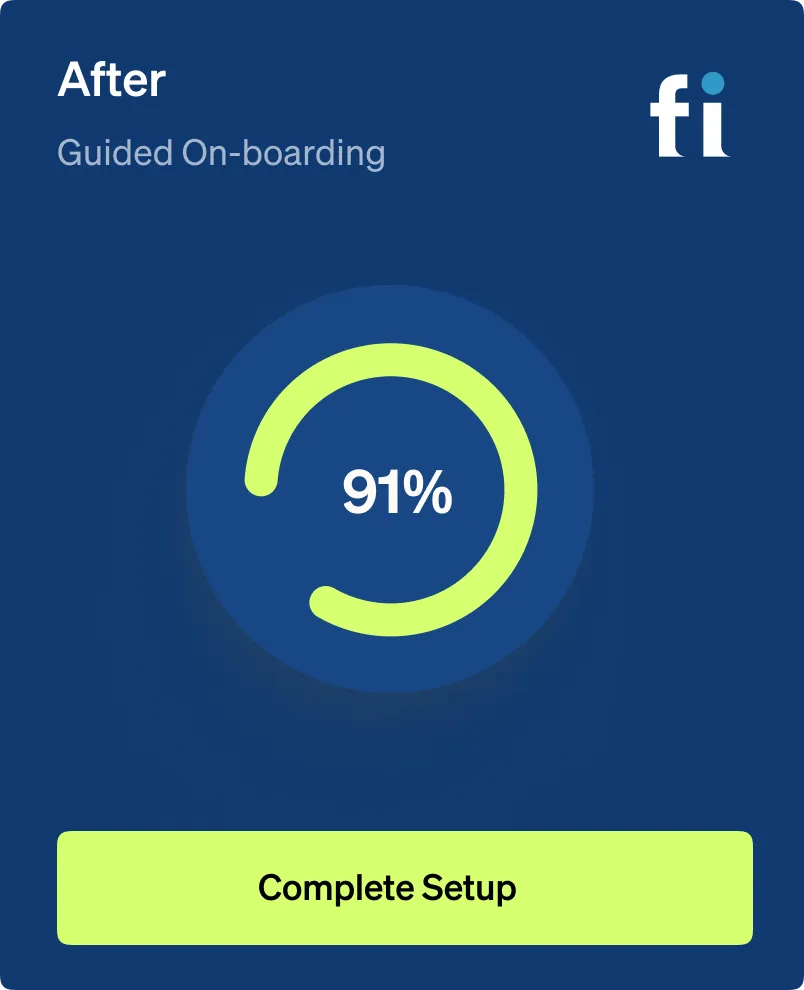
Proof (before/after)
Switch & Save
Get started on the plan that fits your workflow. You can switch plans anytime.
Start Free Trial Get a Demo Pricing
Related articles
FAQs
SaaS emphasizes plan selection + form validation, while ecommerce emphasizes cart/coupon and shipping/payment toggles. Heatmaps reveal where attention stalls; Funnels quantify impact.
Heatmaps + Funnels identify where and how much. Replay is optional but useful to verify why (e.g., disabled states, API errors).
FullSession masks inputs by default. Only allow-list non-sensitive fields required for UX diagnosis and document the decision.
FullSession capture is streamed/batched to minimize overhead and avoid blocking render.
Yes—re-run heatmaps for 24–72h, then compare predicted median vs observed median completion in Funnels.
Start with mobile fold position, coupon “Apply” UX, tap-target sizes, and disabled-state feedback. These drive frequent, high-leverage wins.
See what’s costing you, and prove whats fixing it is worth
Watch the real journey, rank every issue by revenue impact, and validate the result against baseline.



.svg)
.svg)
212 E Stone Path St Derby, KS 67037 Phone: +1 415-649-4222



All systems operational.