.svg)

How Session Replay Helps You Fix Appointment Booking Issues
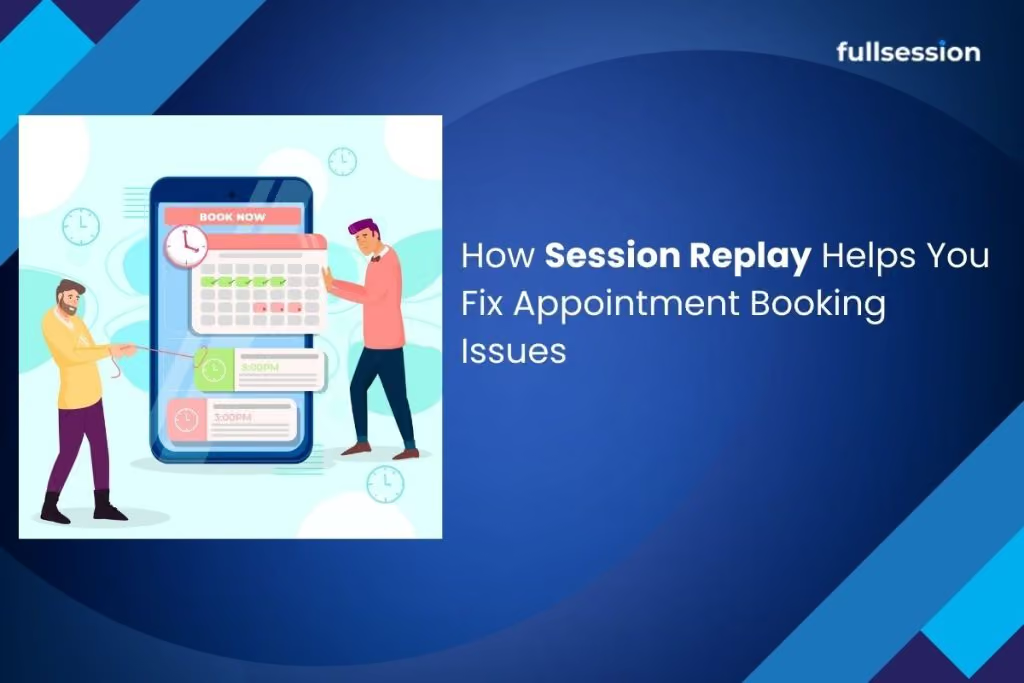

If users are starting your appointment booking flow but not completing it, session replay helps you see why.
It shows where users hesitate, rage click, re-enter form fields, get confused by location or provider selection, or abandon before confirmation. That makes it easier to spot the friction analytics alone cannot explain.
Session replay is especially useful for appointment booking because it helps uncover:
- dead clicks on calendars, CTAs, or provider cards
- mobile usability problems
- confusing booking steps
- form fatigue
- weak trust signals before confirmation
The best way to use it: review high-intent drop-off sessions first, identify recurring friction patterns, and prioritize fixes based on business impact.
When someone decides to book an appointment, they are rarely browsing casually. They usually have a goal, a timeline, and a reason for taking action now.
That is why booking drop-offs matter so much.
If someone clicks into your booking flow and leaves, it does not automatically mean they were not interested. In many cases, the demand is there. The problem is that something in the experience makes the process feel harder, slower, or less certain than it should.
That is where session replay becomes valuable. It helps teams move beyond “users dropped off here” and start understanding what users were actually trying to do before they abandoned the journey.
Why appointment booking journeys break so easily
Appointment booking looks simple on the surface, but in practice it is one of the easiest conversion journeys to disrupt.
A user may need to:
- choose a service
- select a location
- pick a provider
- compare available times
- complete a form
- trust that the booking has gone through correctly
That is a lot of decision-making in one journey.
And unlike low-intent browsing, booking sessions often happen when the user wants to complete a task quickly. They may be on mobile. They may be multitasking. They may already be comparing options. Even small UX issues can create enough doubt or friction to stop the conversion.
In real projects, this is often where teams misread the problem. They assume the offer is weak or that users are not motivated enough. But once you review behavior closely, the issue is often much more practical: users cannot confidently move forward.
What session replay actually shows you in a booking flow
Analytics tells you where users drop off.Session replay helps explain what happened just before that drop-off.
That difference matters.
When you review session replays for booking journeys, you can see things like:
- repeated taps on an element that looks clickable but is not
- hesitation before selecting a time slot
- users scrolling up and down to double-check information
- repeated edits to form fields
- users going back and forth between booking and information page
For online stores, ecommerce session recording and replay can show similar behavior across product pages, cart steps, checkout forms, and payment flows so teams can understand what shoppers did before abandoning
7 appointment booking issues session replay can uncover
1. Dead clicks on key booking elements
Sometimes the biggest blocker is also the easiest to miss internally.
A user clicks a time slot, provider card, or “Book now” area and nothing happens. Or the page responds in a way that is too subtle to feel reliable.
From the team’s side, that may seem minor. From the user’s side, it creates immediate doubt.
This is especially common when banners, cards, or labels look interactive but are not. In booking flows, that confusion can break momentum very quickly.
2. Mobile tap-target and layout issues
A booking flow that feels manageable on desktop can feel frustrating on mobile.
Buttons may be too close together. Dropdowns may be awkward to use. Sticky elements may block key actions. Time slots may require too much precision to tap properly.
This is one of those issues that stands out almost instantly in replay. You can often see users trying more than once, zooming visually through their behavior, or abandoning after a few failed attempts.
A lot of teams underestimate how much booking friction comes from mobile interaction quality alone.
3. Confusing service, provider, or location selection
Many users do not abandon it because they changed their mind. They abandon because they are no longer sure they are making the right choice.
That uncertainty tends to show up in behaviors like:
- returning to location pages
- checking provider details multiple times
- comparing service pages before progressing
- pausing on selection steps without moving forward
If the booking journey makes users work too hard to understand who they are booking with, where the appointment will take place, or whether the selected option matches their need, conversions slow down.
In practice, this is often a clarity issue rather than a persuasion issue.
4. Form fatigue and repeated corrections
A booking form may not look especially long from an internal perspective. But session replay often tells a different story.
Users slow down when they hit:
- unclear required fields
- date or phone number formatting issues
- too many personal-detail requests upfront
- fields that feel unnecessary before the booking is confirmed
When users repeatedly edit the same field or stop at the same step, that is usually a sign that the form is demanding too much effort or creating avoidable confusion.
I have seen forms lose conversions not because they were broken, but because they asked for just enough extra work to interrupt momentum.
5. Broken back-button or restart behavior
Booking journeys are not always linear.
Users often want to check availability again, compare providers, revisit a location page, or change a previous selection. If the flow does not handle that gracefully, the experience starts to feel fragile.
Replay can reveal moments where users:
- go back and lose their progress
- return to a prior step and get stuck
- restart the entire journey
- abandon after trying to correct one earlier choice
This is the kind of friction that rarely shows up clearly in high-level reporting, but it has a real impact on completion rate.
6. Weak trust signals before confirmation
Even when the booking flow works technically, users often need a final layer of reassurance before they commit.
They may want to know:
- what happens after submission
- whether the appointment is confirmed instantly
- whether they chose the right location
- whether they can reschedule later
- whether someone will contact them next
If those answers are missing or hard to find, users often hesitate right near the finish line.
That hesitation matters. In replay, it often appears as long pauses, upward scrolling, repeated review behavior, or exits right before form submission.
7. Users looping between pages instead of moving forward
One of the most useful patterns in session replay is looping.
Users move between the same few pages repeatedly because they are still trying to answer a question before they feel comfortable continuing.
In appointment funnels, this often happens between:
- booking pages and pricing pages
- provider profiles and time-slot selection
- location pages and booking forms
- FAQ content and final submission steps
That loop is not random. It usually means the booking journey is missing key information at the exact point where users need confidence.
How to analyze session replay for booking issues without wasting hours
One of the biggest mistakes teams make is reviewing session recordings randomly.
That usually leads to interesting observations, but not a clear action plan.
A better approach is to start with high-intent drop-off sessions.
Review users who:
- clicked into the booking journey but did not complete
- reached the calendar but exited
- started the form and stopped
- returned to the booking page multiple times without converting
Then break the review down by context:
- mobile vs desktop
- traffic source
- landing page entry point
- new vs returning users
- service type or location
From there, tag recurring friction patterns.
A simple framework works well:
- what happened
- where it happened
- how often it appears
- likely cause
- likely impact on booking completion
This makes replay analysis much more useful. It shifts the process from “watching users struggle” to “collecting evidence that informs prioritization.”
What to fix first in an appointment booking funnel
Not every booking issue deserves the same urgency.
The most effective teams prioritize based on three things:
- Frequency – how often the issue appears
- Severity – whether it slows users down or stops them completely
- Business impact – how close it is to the booking completion point
For example:
- a dead click on the main booking CTA is a high-priority issue
- a confusing optional field mid-flow is a medium-priority issue
- a minor layout distraction higher up the page is lower priority unless it is repeatedly affecting decision-making
This matters because replay can reveal dozens of issues. The goal is not to fix everything at once. The goal is to fix the friction most likely to unlock more completed bookings.
A practical example
Imagine a clinic, salon, or service brand sees strong traffic to its booking pages but lower-than-expected appointment completions.
Analytics shows a drop-off after service selection.
Replay reveals the real story:
- mobile users tap time slots but hesitate because provider details disappear
- users go back to location pages to confirm the correct branch
- several people click a visual banner that looks interactive but is not
- form completion slows at contact fields
- some users abandon before submission because they are not sure what happens next
That is a much more actionable diagnosis.
Now the team knows what to improve:
- keep location and provider context visible during the flow
- remove misleading interface elements
- simplify the form
- improve mobile interaction design
- reinforce confirmation and next-step messaging
That is the real value of a session replay tool. It helps teams stop guessing.
Key Takeaways
- Session replay helps explain booking drop-offs by showing what users were doing just before they abandoned.
- Appointment funnels often fail because of friction, not lack of intent.
- The most common issues include dead clicks, mobile usability problems, confusing selection steps, long forms, and weak trust signals.
- The smartest way to use replay is to review high-intent drop-off sessions first and prioritize fixes based on frequency, severity, and conversion impact.
Conclusion
If users are entering your appointment booking flow but not completing it, there is a good chance the problem is not demand. It is friction.
Session replay helps you find that friction faster by showing where users hesitate, struggle, second-guess themselves, or stop moving forward.
For businesses that rely on booked appointments, that visibility is incredibly valuable. It gives you a more realistic view of the customer journey and a clearer path to improving conversion performance.
If you want to uncover what is getting in the way of completed bookings, Book a Demo with FullSession and we’ll help you identify the behavioral friction points that matter most.
FAQ’s
Session replay is a behavior analysis method that shows how users interact with an appointment booking flow, including clicks, taps, scrolling, form behavior, and drop-off moments.
It helps reduce booking abandonment by revealing friction points such as broken CTAs, confusing steps, form fatigue, and weak confirmation signals that prevent users from completing the process.
Session replay can uncover dead clicks, mobile UX issues, unclear provider or location selection, long or confusing forms, broken back-navigation, and trust gaps before confirmation.
Analytics shows where users drop off, but session replay shows what they experienced before they left. That makes it easier to diagnose and fix the real cause of abandonment.
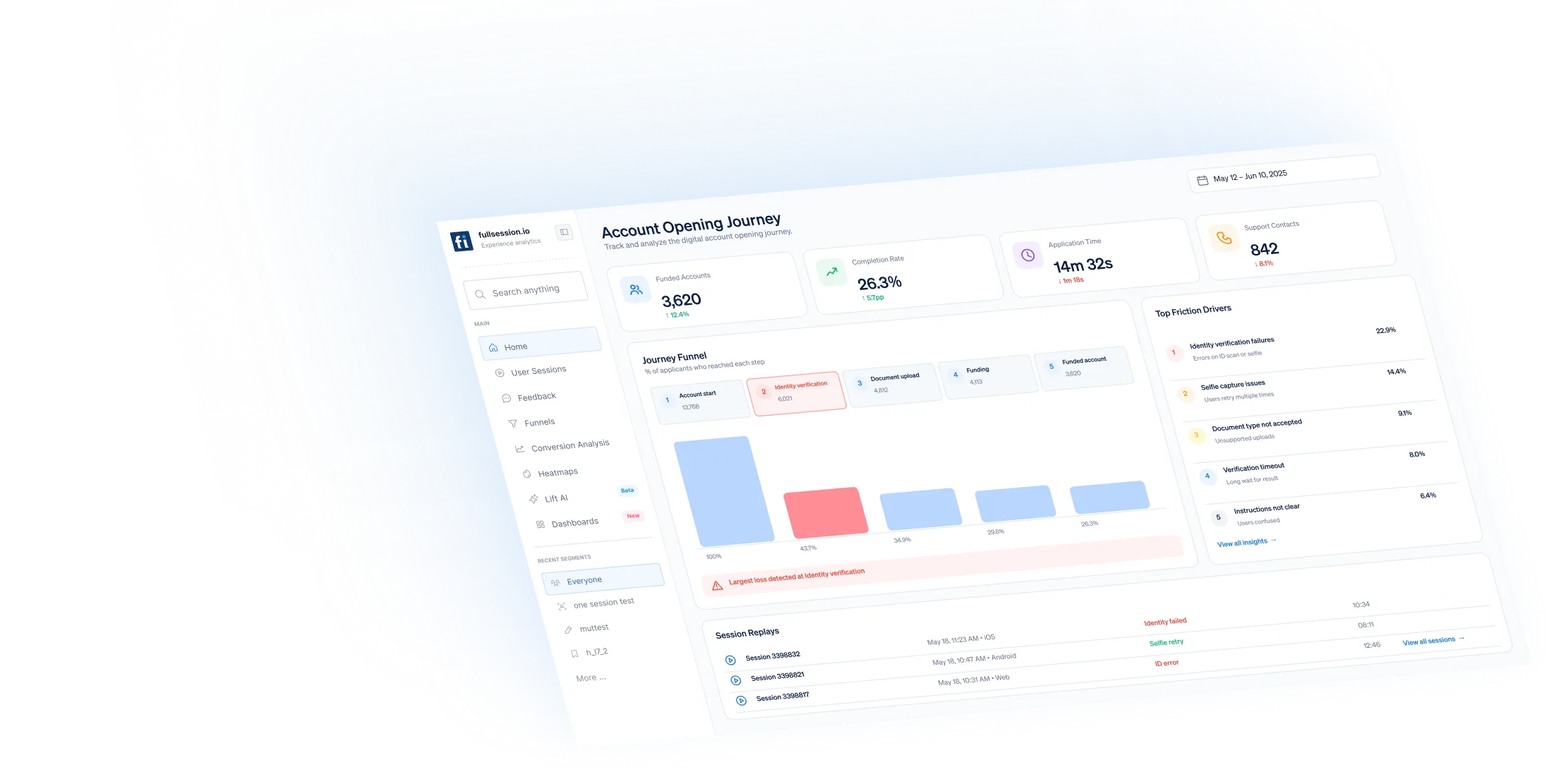
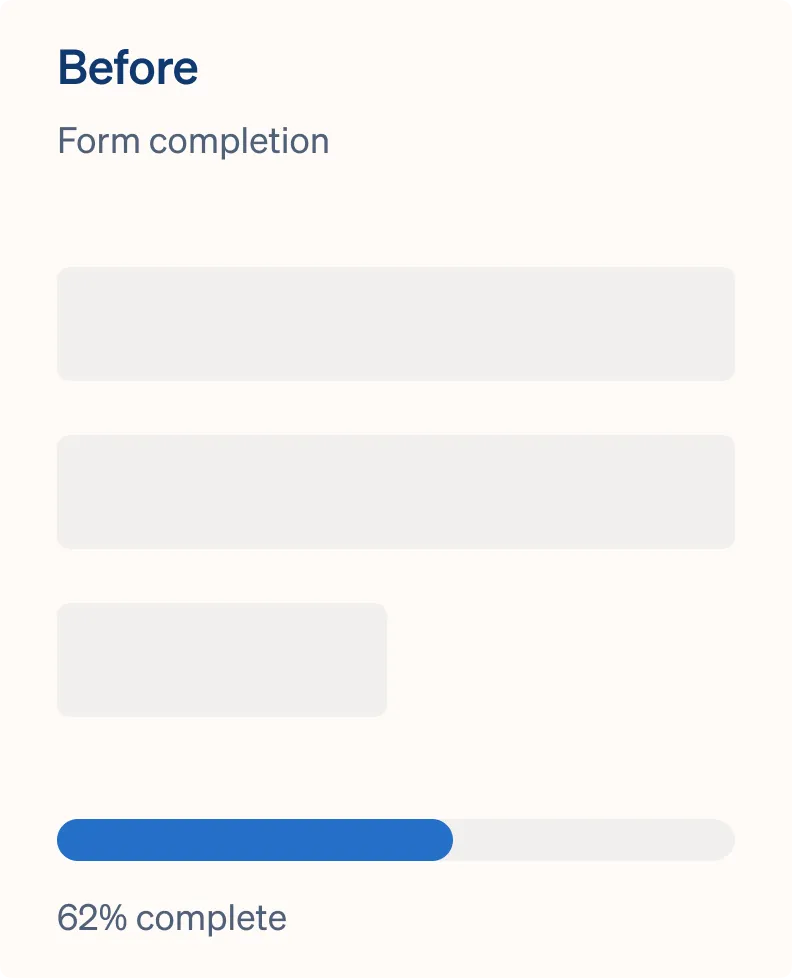
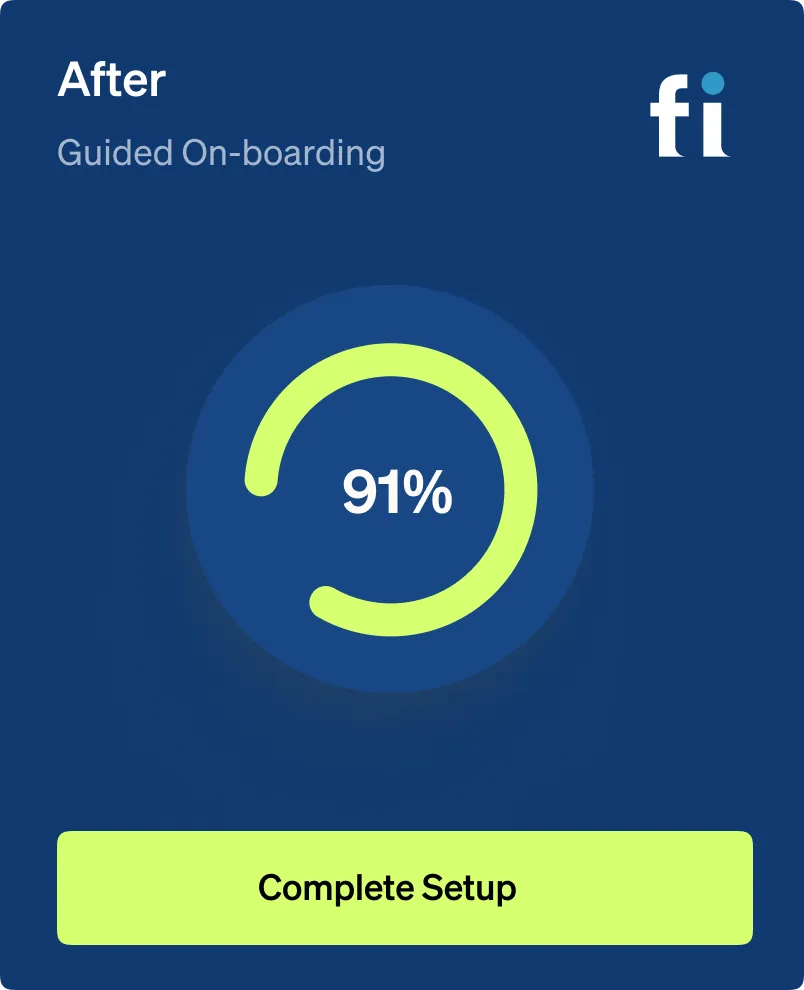
See what’s costing you, and prove whats fixing it is worth
Watch the real journey, rank every issue by revenue impact, and validate the result against baseline.



.svg)
.svg)
212 E Stone Path St Derby, KS 67037 Phone: +1 415-649-4222



All systems operational.